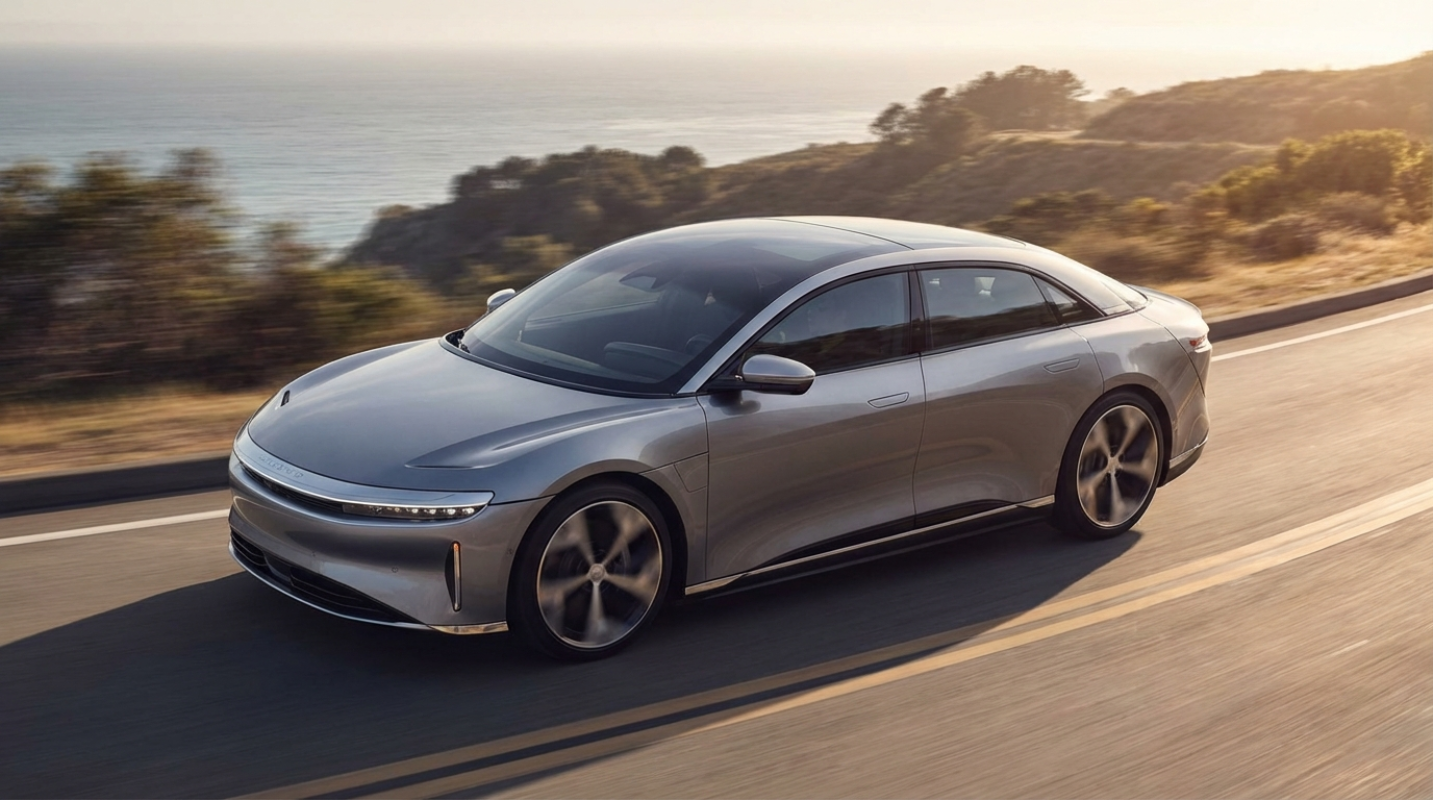
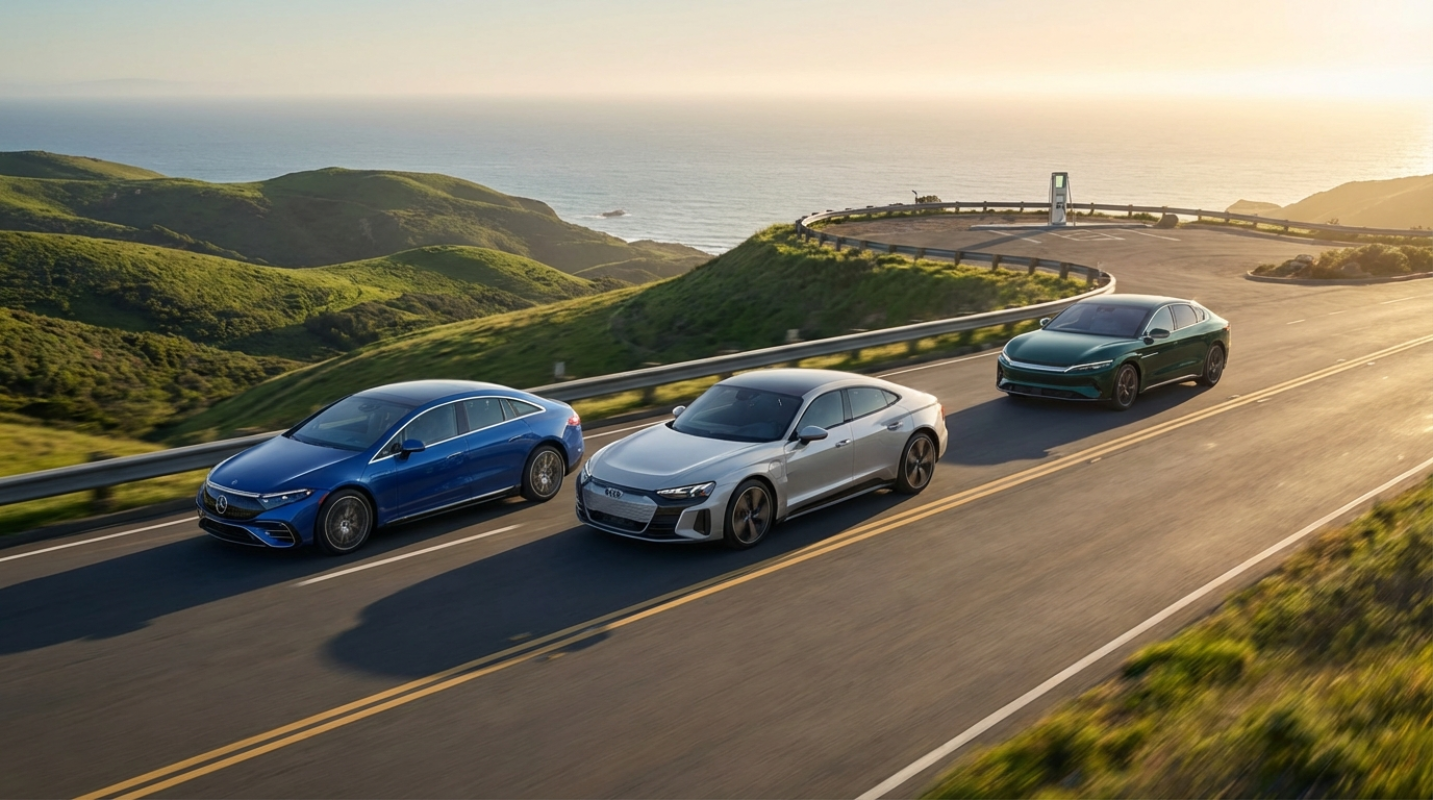
 (Image source: Gemini / Landon Phillips)
 You've probably heard the old argument that if you want an electric car that actually goes the distance, you have to sell a kidney for a luxury flagship. That's just not true anymore. In 2026, the "affordable" segment is where the real innovation is happening. We are finally seeing a shift where range is no longer a premium feature reserved for the wealthy. It's becoming a standard expectation.
So what does "affordable" actually mean these days? For our purposes, we're looking at sedans with an MSRP under $50,000 before you even touch those sweet government incentives. But here is the catch. You can't always trust the number on the window sticker. The EPA range is a helpful benchmark, but it's often a best-case scenario. When you're cruising at 70 mph on a chilly Tuesday morning, that number can shift. We're looking at the real-world performance, the kind of range that actually gets you home without a sweat-inducing search for a charger.
The Real World Heavyweights and How They Stack Up
If you're looking for the gold standard of range-per-dollar, the conversation usually starts and ends with the Tesla Model 3. The recent "Highland" refresh has turned this car into an efficiency machine. Although the EPA might give you one number, independent testers have found that the Long Range AWD version can actually over-deliver. In steady highway testing at 70 mph, this car has managed to clock 370 miles on a single charge.¹ That is a rarity in the EV world where most cars fall short of their official ratings.
Then you have the Hyundai Ioniq 6. It looks like a polished river stone, and that's by design. Its aerodynamics are top-tier, which helps it slice through the air. But you have to be careful with the options list. If you choose the flashy 20-inch wheels, you're effectively shooting your range in the foot. Sticking with the 18-inch wheels on the SE RWD Long Range trim is the secret to getting over 300 miles in mixed driving conditions.
The Polestar 2 is the dark horse here. It used to be a bit of an underdog, but the latest updates switched it to a rear-wheel-drive bias and added a beefier battery. What makes the Polestar stand out isn't just the raw number, it's the honesty. When the car tells you that you have 310 miles of range, it generally means it. It’s remarkably consistent, even when the weather turns sour.
Top Recommendations for Long Range Sedans
- Tesla Model 3 Long Range AWD This is the current king of the highway. With a real-world result of 370 miles in independent testing, it offers the most peace of mind for long trips. It also gives you access to the most reliable charging network on the planet.
- Hyundai Ioniq 6 SE RWD This is for the person who hates waiting at chargers. Although its highway range is solid, its 800V architecture is the real star. You can jump from 10% to 80% charge in about 18 minutes if you find a fast enough station.
- Polestar 2 Long Range Single Motor This is the choice for those who value build quality and a more traditional luxury feel. It hits a consistent 310 miles in real-world highway tests and feels more "planted" than the Tesla.
- Tesla Model 3 RWD The budget pick. It uses a different battery chemistry (LFP) which means you can charge it to 100% every single day without worrying about degrading the battery. It’s the perfect commuter car for someone with a 100-mile round trip.
Efficiency Secrets That Go Further Than Battery Size
It's tempting to just look at the kilowatt-hour (kWh) size of a battery and assume bigger is better. Think of it like a fuel tank in a gas car. A massive tank doesn't matter if the engine is a gas-guzzler. In the EV world, efficiency is measured in watt-hours per mile. This is where sedans have a massive advantage over those boxy electric SUVs everyone seems to love.
Aerodynamics play a huge role here. The Ioniq 6 has a drag coefficient that would make a fighter jet jealous. When you're fighting wind resistance at 75 mph, every little curve helps. This is why sedans consistently beat crossovers in real-world range tests, even when they have smaller batteries. They simply don't have to work as hard to move through the air.
Software is the other hidden hero. A good thermal management system keeps the battery in its "happy place" temperature-wise. If the battery is too cold or too hot, it loses efficiency. Tesla and Hyundai are particularly good at this, using heat pumps to scavenge every bit of waste heat to keep the cabin warm without draining the range. It’s the digital equivalent of wearing a high-tech base layer instead of a heavy, bulky coat.
You also have a say in this as the driver. Mastering regenerative braking can add miles back to your "tank" every time you slow down. It feels weird at first, like the car is dragging, but once you get used to one-pedal driving, you'll wonder why we ever wasted all that energy as heat in traditional brakes. Keep your tires properly inflated too. High rolling resistance is the silent killer of EV range.
The Dollars and Cents of Long Range Ownership
When you look at the MSRP of these cars, you might feel a bit of sticker shock. But you have to look at the "effective" price. Between federal tax credits (which can be as high as $7,500) and various state incentives, a $45,000 car can quickly become a $35,000 car. If you lease, many manufacturers pass that credit directly to you, even if the car wouldn't qualify for a straight purchase.
The real savings show up over time. Think about your current gas bill. Now imagine cutting that by 70% or more. Maintenance is another win. You've got no oil changes, no spark plugs, and no complex transmissions to fail. Most of these manufacturers offer an eight-year or 100,000-mile warranty on the battery, which takes a lot of the risk out of the equation.
If you look at the total cost of ownership over five years, an affordable EV sedan often beats a comparable gas-powered sedan like a Camry or an Accord. You're paying a bit more upfront for the technology, but you're pre-paying for your "fuel" and "repairs" at a discounted rate. It’s a smart financial move if you plan on keeping the car for a while.
Picking Your Perfect Long Distance Commuter
So which one should you actually put in your driveway? If you spend your life on the interstate and want the absolute maximum distance possible, the Tesla Model 3 Long Range AWD is hard to beat. It’s the efficiency leader for a reason, and the charging infrastructure makes long trips a breeze.
But if you have a shorter daily commute but occasionally take long trips, the Hyundai Ioniq 6 is a compelling choice. Its fast-charging capability means that even if you have to stop, you aren't stopped for long. It feels like the future, and its unique styling definitely turns heads in the parking lot.
The market is moving fast. In the next year or two, we're expecting to see even more competition from brands like Volkswagen with the ID.7 and maybe even some surprises from the domestic brands. But right now, these sedans represent the sweet spot of the market. They prove that you don't need to spend six figures to get a car that can handle a weekend road trip.
Before you buy, go out and test drive them. Don't just drive around the block, ask the salesperson if you can take it on the highway. See how the range estimate reacts to your driving style. Check out the seats and the infotainment system. The best range in the world doesn't matter if you aren't comfortable in the driver's seat.
Sources: