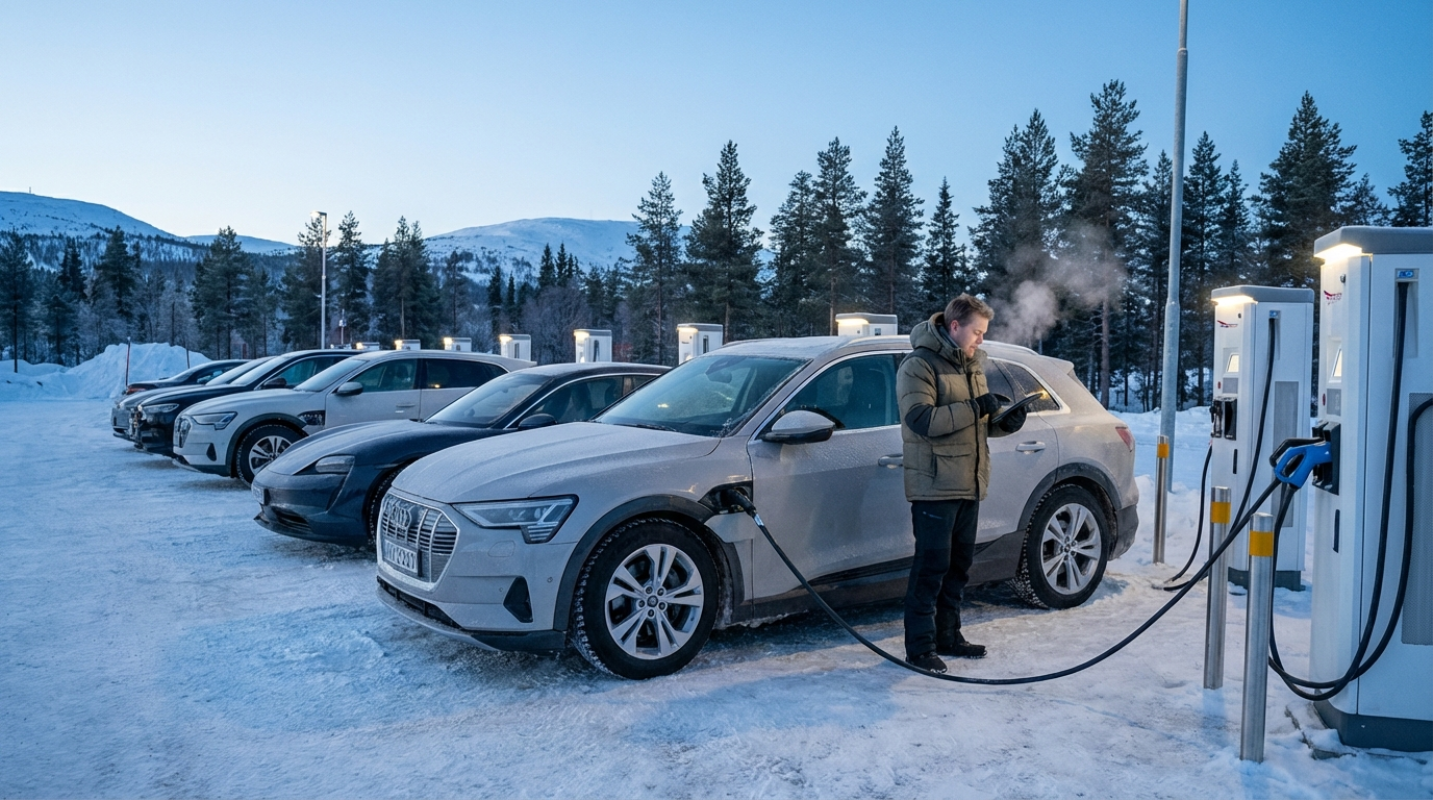
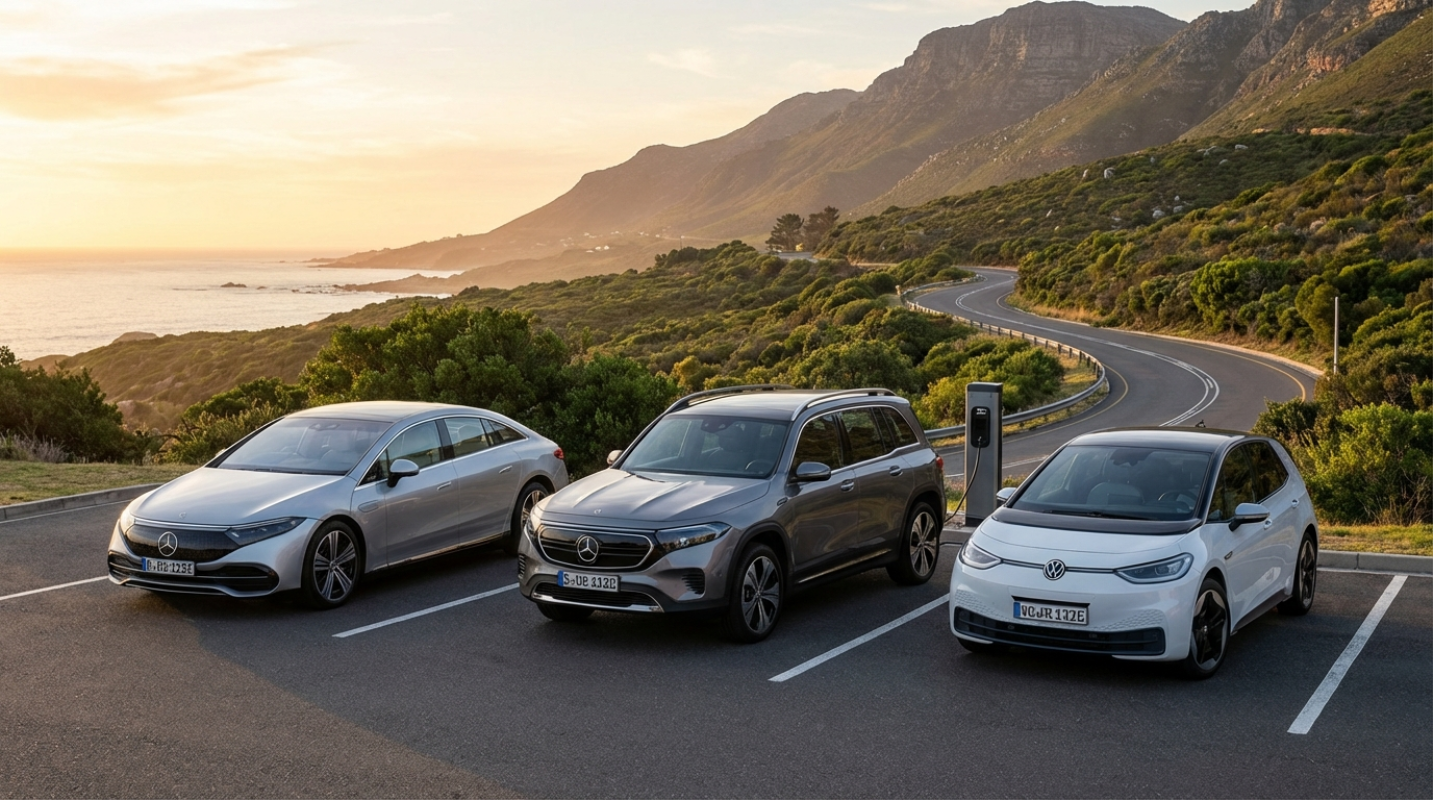
 (Image source: Gemini / Landon Phillips)
 You have finally decided to join the electric revolution. It is 2026, and the sight of a gas pump is starting to feel like a relic of the past. But even as you eye that sleek new sedan or rugged SUV, a familiar anxiety probably lingers in the back of your mind. What happens if the battery dies?
It is a fair question. Replacing a high-voltage battery pack is not like swapping out a lead-acid battery in an old Ford. It is the most expensive component of the car. If it fails outside of warranty, you are looking at a bill that could rival the remaining value of the vehicle itself.
That is why understanding your warranty is the most important part of the buying process. It is the difference between driving with total confidence and wondering if every software glitch is the beginning of a five figure repair. Let's break down who is actually offering the best protection in today's market.
Why EV Warranties Matter More Than Ever
When you buy a traditional internal combustion car, you worry about transmissions and head gaskets. In an EV, the script changes completely. You are neededly buying a giant smartphone on wheels. Although EVs have fewer moving parts, the parts they do have are incredibly sophisticated and pricey.
There are three main layers to the protection you need to track. First is the bumper-to-bumper warranty, which covers the tech, the seats, and the door handles. Then there is the powertrain warranty, covering the motors. Finally, there is the big one: the battery and traction pack warranty.
Think of the battery warranty as your ultimate safety net. It does not just cover a total "brick" of the battery. It also covers degradation. Most people do not realize that batteries naturally lose capacity over time. A good warranty make sures that you are not left with a car that can only drive to the grocery store and back after seven years of ownership.
Decoding the EV Warranty Space
The industry has settled on some baseline rules, but they are not all created equal. By law, manufacturers must provide at least eight years or 100,000 miles of coverage on the battery. Brands like Ford, GM, and Toyota usually stick right to this federal minimum. They also typically offer a three year or 36,000 mile bumper-to-bumper plan.
But who wants to settle for the minimum? Some brands have realized that the best way to win over a skeptical buyer is to offer a warranty that feels like a warm blanket. They are pushing past those eight year limits to give you a full decade of protection.
You also need to look for the "State of Health" clause. This is the fine print that says the manufacturer will replace the battery if it drops below a certain percentage of its original capacity. Usually, that number is 70 percent. If your car can only hold 69 percent of its original charge, you get a new pack. If it holds 71 percent, you are technically still "healthy" in the eyes of the manufacturer. Sound frustrating? It can be, which is why the leaders in this space are so important to identify.
The Warranty Champions
If you want the absolute longest time-based protection, you are looking at the Korean trio: Hyundai, Kia, and Genesis. They have consistently set the bar for what they call "America's Best Warranty."
Hyundai and Kia
These brands offer a massive 10 year or 100,000 mile warranty on the battery and the powertrain components. This is the gold standard for long-term owners. If you plan to keep your car for a decade, these are the brands that will let you sleep at night.
- Hyundai Ioniq 5 and 6 (label) These models come with a 70 percent capacity guarantee. If the battery fades too much over ten years, they fix it. One thing to watch is the transferability. Although the battery warranty stays with the car for the full 10 years, the powertrain protection for the second owner drops to five years or 60,000 miles unless you buy it as a Certified Pre-Owned vehicle.¹
- Kia EV6 and EV9 (label) Kia uses slightly different terms but offers the same 10 year or 100,000 mile "EV System" warranty. This covers the battery, the motor, and the gear drive unit. Just like Hyundai, the battery protection is fully transferable to the next person who buys your car, which helps keep your resale value high.³
Tesla
Tesla takes a different approach. They do not offer the 10 year timeline, but they cater to the "road warriors" who rack up miles fast. Their warranty is tiered based on the model you buy.
- Model S and Model X (label) These premium models offer eight years or 150,000 miles of coverage. If you drive 18,000 miles a year, Tesla's high mileage limit is actually better for you than Hyundai's 100,000 mile cap.
- Model 3 and Model Y (label) The Long Range versions offer eight years or 120,000 miles. The standard Rear-Wheel Drive version sticks to the 100,000 mile limit. Tesla's warranty is also the easiest to transfer. It stays with the VIN of the car, no matter how many owners it has had.
Top Recommendations
When you are looking for the best overall value, these are the vehicles that consistently top the charts for their protective coverage.
Beyond the Battery
Although the battery gets all the headlines, there is more to an EV than just cells. You should also look at the components that manage that power. The inverters, the onboard charging units, and the thermal management systems are all key.
Most top-tier warranties now include these under the "EV System" umbrella. If your cooling pump fails and the battery overheats, you want to make sure that is covered. Brands like Kia are very good about bundling these together.²
You should also look at roadside assistance. Since EVs do not carry spare tires (they are too heavy and take up too much space), you are reliant on a tow if you get a flat. Hyundai offers five years of unlimited mile roadside assistance. That is a nice perk when you are stuck on the side of the highway.
Do you need an extended service plan? If you are buying a brand with a 10 year warranty, probably not. The standard coverage is already so long that you would be paying for redundant protection. But if you are buying a brand with a shorter three year bumper-to-bumper plan, an extension might make sense to cover the infotainment screens and sensors that can be glitchy as they age.
Finding Your Perfect Match
Choosing the right EV warranty depends entirely on how you drive. Are you the type of person who buys a car and keeps it until the wheels fall off? If so, the 10 year protection from Hyundai or Kia is your best bet. Those extra two years of coverage matter as the battery ages into its second decade of life.
On the other hand, if you have a long commute and put 20,000 miles a year on your car, Tesla's 150,000 mile limit on the Model S or X is much more valuable. You would hit the 100,000 mile limit on a Hyundai in just five years, leaving you unprotected for the back half of your ownership.
Before you sign the paperwork, always ask for the "State of Health" terms in writing. Make sure you know exactly what percentage of degradation triggers a replacement. A strong warranty does more than just fix a broken car. It reduces your total cost of ownership by protecting your resale value and giving you the peace of mind to actually enjoy the drive.
Sources:
1. Used warranty for subsequent owners
3. Kia's 10 year limited battery warranty
This article on aidriv.com is for informational and educational purposes only. Readers are encouraged to consult qualified professionals and verify details with official sources before making decisions. This content does not constitute professional advice.