 (Image source: Gemini / Landon Phillips)
 Remember the first time you sat in a modern electric vehicle and felt like you’d stepped onto the bridge of a starship? It was all glass, glowing pixels, and minimalist surfaces. For a few years, car designers were obsessed with stripping away every knob, dial, and switch in favor of a giant iPad glued to the center console. It looked cool in brochures, but the honeymoon phase ended the moment you tried to adjust the air conditioning while driving through a construction zone.
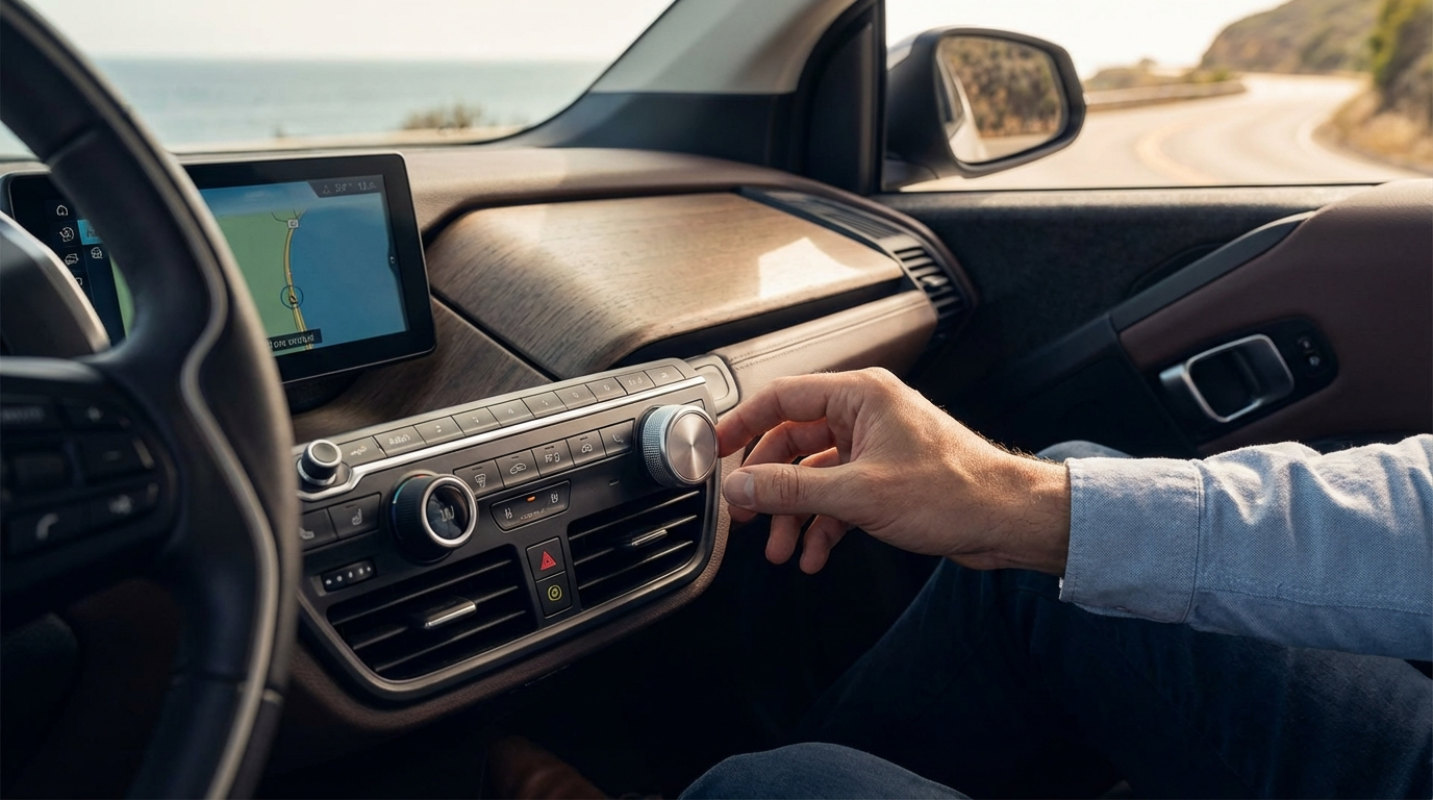
You probably know the feeling. You’re glancing away from the road, tapping through three different menus just to turn down the fan speed, and hoping you don't drift out of your lane. It turns out that humans actually like touching things. We have this amazing ability called proprioception, which is just a fancy way of saying we can know where our hands are without looking at them. You can't use that superpower on a flat piece of glass.
This is why we’re seeing a massive shift in 2026. The industry is moving toward a hybrid approach where physical controls are making a triumphant return for needed functions. It’s not about being old fashioned. It’s about making sure you can operate your car without feeling like you’re solving a rubik's cube at 70 mph.
The Safety and Ergonomics Pitfall of Digital Overload
The move to touchscreens wasn't just about aesthetics. It was mostly about saving money. It’s much cheaper to write a few lines of code for a digital slider than it is to engineer, manufacture, and wire a physical plastic knob. But that cost saving came at a price that drivers are no longer willing to pay. The cognitive load required to operate a screen is significantly higher than using a button.
When you use a physical dial, your brain uses muscle memory. You reach out, feel the click, and you’re done. With a screen, you have to look, think, and aim. A famous study by Swedish researchers found that drivers in a car with physical buttons could complete basic tasks in about ten seconds. In some modern EVs with screen-only setups, those same tasks took nearly 45 seconds.⁹
Think about that for a second. At highway speeds, that's the difference between traveling a couple of football fields and traveling nearly a mile without your full attention on the road. It’s no wonder that safety experts are sounding the alarm. Research has shown that fiddling with a complex touchscreen can slow your reaction times even more than being under the influence of alcohol.¹⁰ We’ve reached a point where digital clutter is a genuine safety hazard.
Case Studies, Which Automakers Are Reversing Course
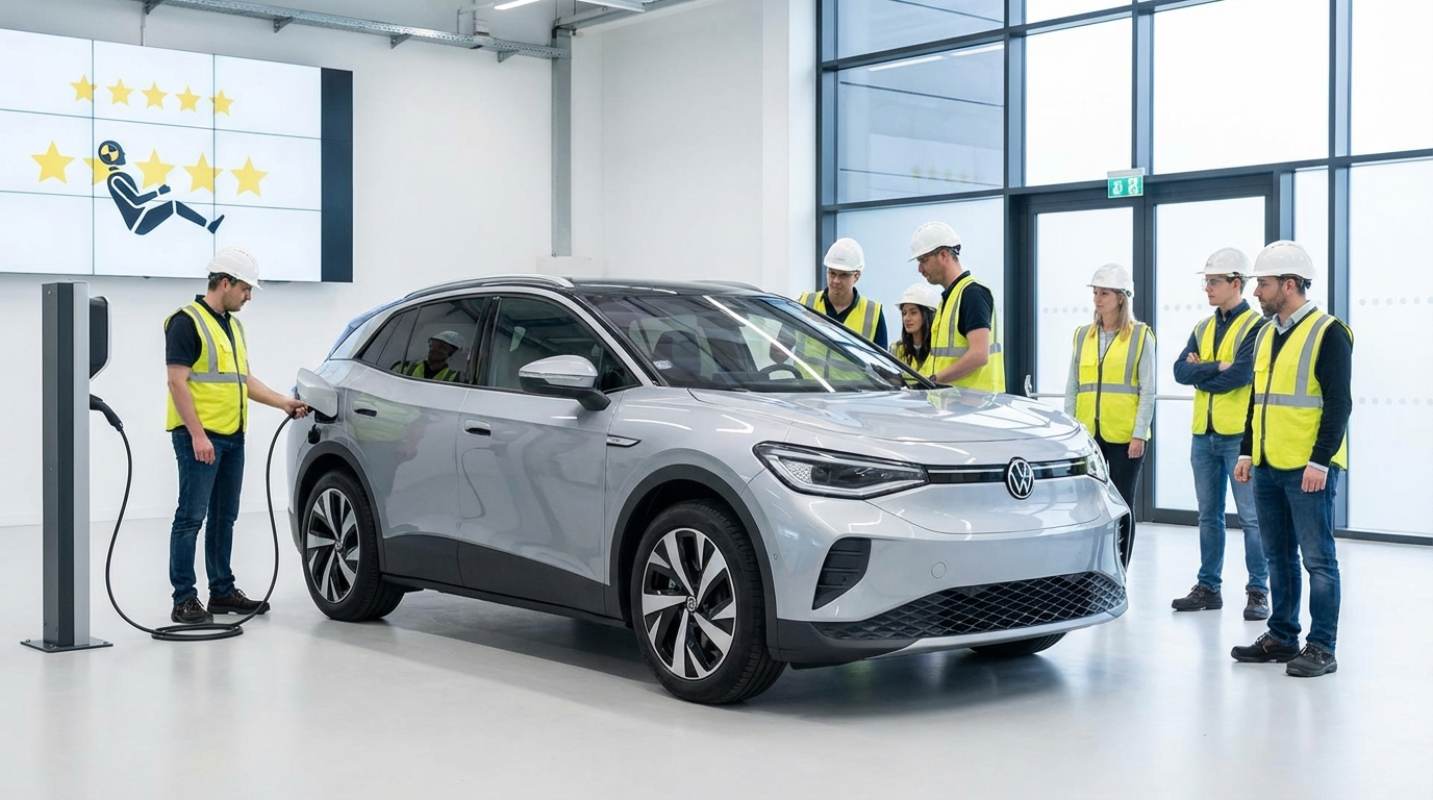
You’ll be happy to hear that some of the biggest names in the business are eating humble pie. Volkswagen is a prime example. After getting roasted by customers for the touch-sensitive sliders in the ID.4, their design chief, Andreas Mindt, basically promised they would never make that mistake again.¹ All future models, including the new ID.2all, feature physical buttons for the "big five" functions like volume and climate control.
Hyundai and Genesis have also taken a stand. They found that their American focus groups specifically described touchscreen-only controls as stressful and annoying. Because of that feedback, the 2025 and 2026 Ioniq models have more hard buttons than the versions that came before them. Even Tesla, the brand that started the whole "screen for everything" craze, has had to blink. They’ve reintroduced physical indicator stalks in certain markets and even offer retrofit kits for owners who can't stand the haptic steering wheel buttons.⁶
Other brands are getting even more creative with it
- Aston Martin, They use something they call a "Piss-Off Factor" to decide what stays physical. If a control is annoying to use on a screen, it gets a knurled metal roller instead.³
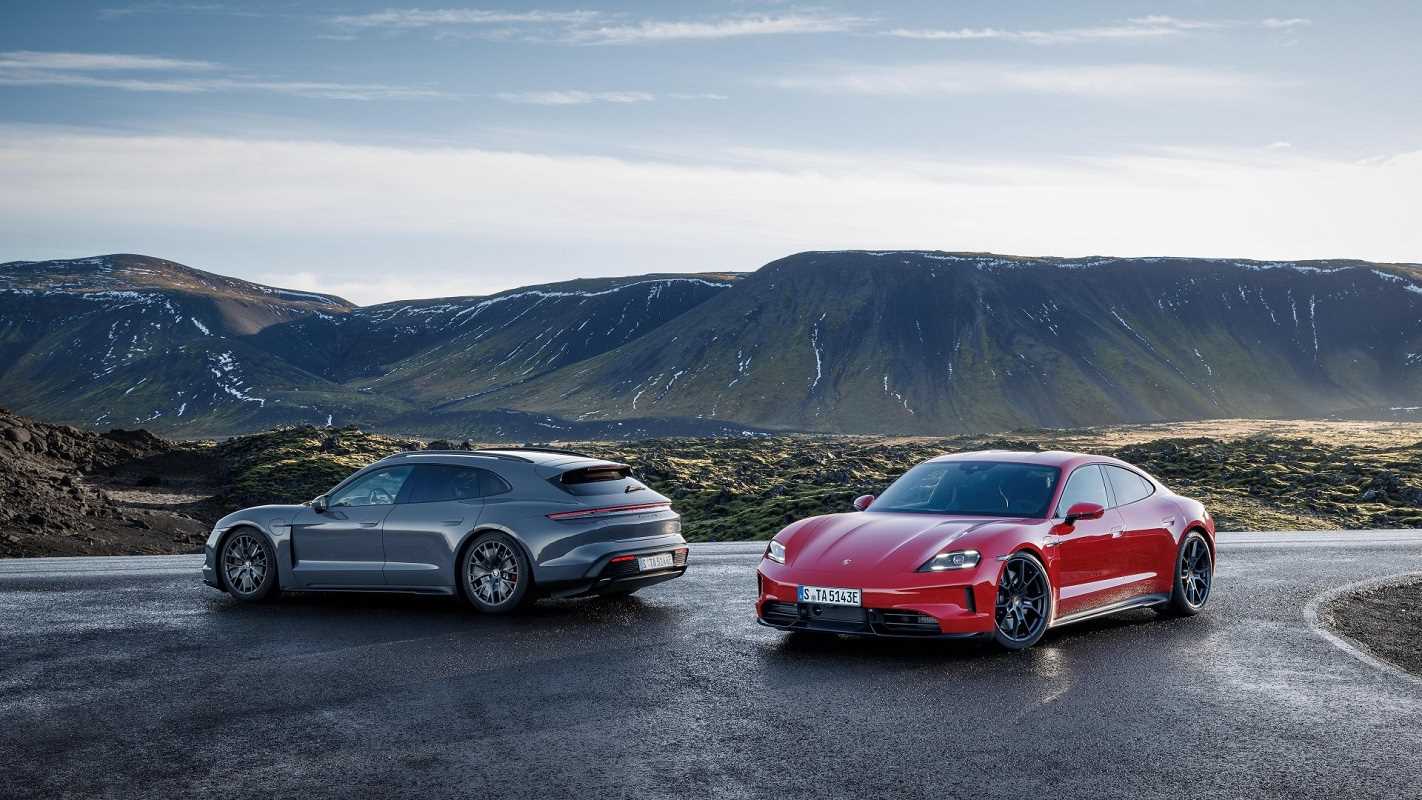
- Porsche, The latest Cayenne and Panamera have moved away from the all-digital vibe of the early Taycan, bringing back tactile toggle switches for the HVAC system.
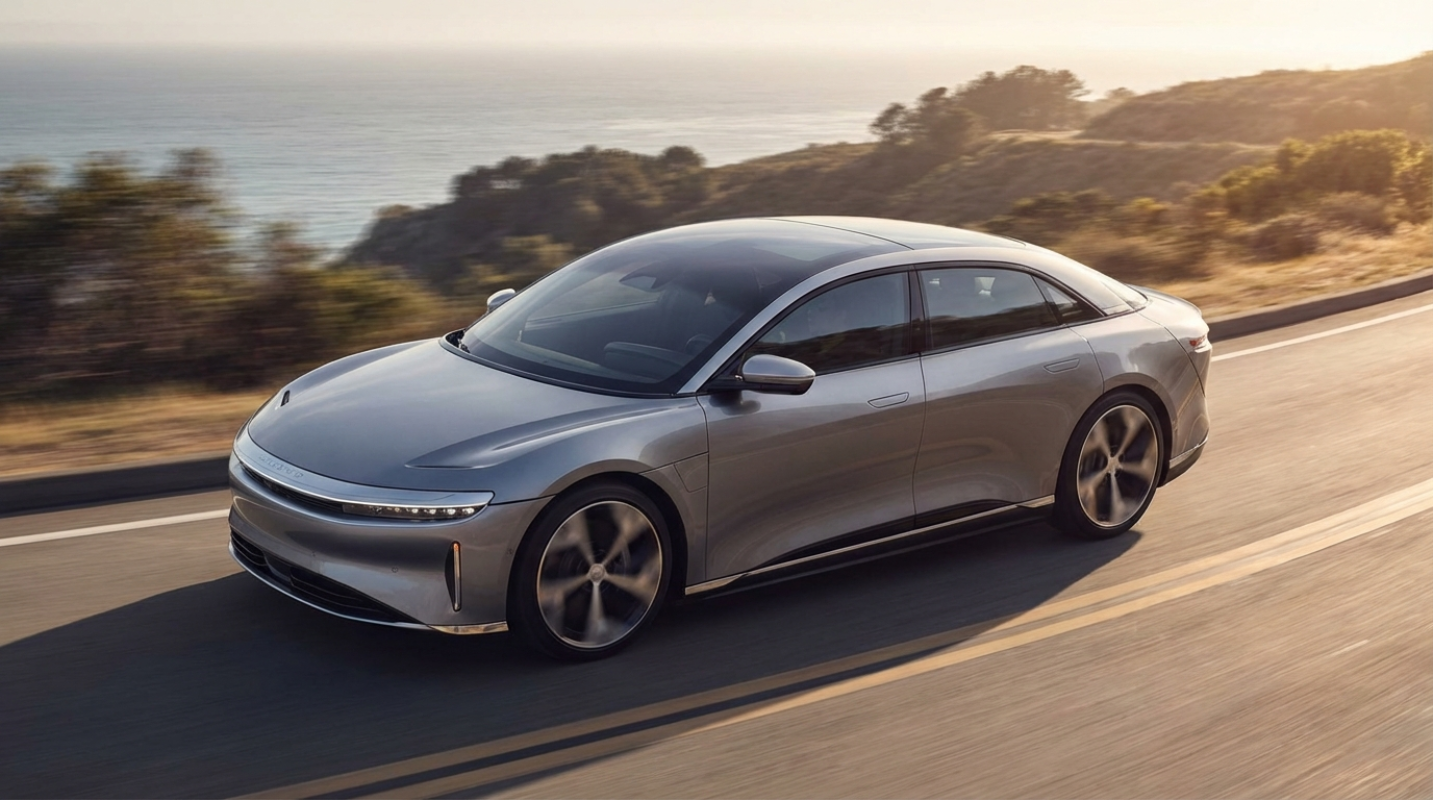
- Lucid Motors, The Gravity SUV now features physical hot keys on the steering wheel because drivers felt the older sedan was too dependent on the screen.
The Engineering and Cost Balance, Buttons vs Software
You might wonder why it took so long for brands to realize this. For a while, the "wow factor" of a clean, button-less interior sold cars. It made EVs feel high-tech and different from the gas-guzzlers of the past. Plus, software is infinitely updatable. If a manufacturer wants to change the layout of the dashboard, they just push an over-the-air update. You can't do that with a plastic button.
But the long term cost of a poor user experience is starting to outweigh those initial savings. When customers hate the way their car works, they don't buy that brand again. Brand reputation is expensive to fix. Manufacturers are realizing that physical buttons actually improve the perceived quality of the interior. A heavy, metal-feeling volume knob feels expensive. A fingerprint-smudged screen feels like a cheap tablet.
We’re also seeing a big push from regulators. The European New Car Assessment Programme, or Euro NCAP, has dropped a bombshell for 2026. To get a five star safety rating now, a car must have physical controls for five important things: turn signals, hazard lights, windshield wipers, the horn, and emergency calls.¹⁰ This is a massive deal because a car without a five star rating is a much harder sell.
Top Recommendations for Tactile EV Interiors
If you’re in the market for an EV and you value your sanity (and your safety), these models are leading the way in the return to tactile design.
The Future of the Cockpit, The Best of Both Worlds
So where does this leave us? We aren't going back to the 1990s where every dashboard looked like a calculator. Screens are still great for things like navigation, backup cameras, and choosing your favorite playlist. The ideal setup is a hybrid interface. You want the high-frequency tasks, the things you do every single day, to be physical. Volume, temperature, and wipers should never be buried in a sub-menu.
You’ll notice that steering wheel controls are also becoming more strong. Instead of those annoying touch-sensitive pads that you accidentally bump while turning, we’re seeing a return to clicky buttons and scroll wheels. It’s all about creating a user-centric design that respects the fact that you are, you know, actually driving a multi-ton vehicle.
The era of "Peak Screen" has officially passed. By the time we get deep into 2026, the most luxurious and advanced EVs won't be the ones with the biggest screens. They’ll be the ones that understand how humans actually function. Physical controls aren't obsolete. They’re an needed part of a mature design that puts your safety and comfort first. Sound like a plan?
Sources:
1. VW and Hyundai Design Shift
2. Why Automakers are Ditching Touchscreens