 (Image source: Gemini / Landon Phillips)
 For a long time, if you wanted an electric vehicle that could practically drive itself on the freeway, you had to spend six figures. You were looking at high-end luxury cruisers that cost more than a starter home in some parts of the country. But things have changed fast. By 2026, the market has finally hit a sweet spot where you can get a battery-powered SUV that handles the heavy lifting of a commute without draining your life savings.
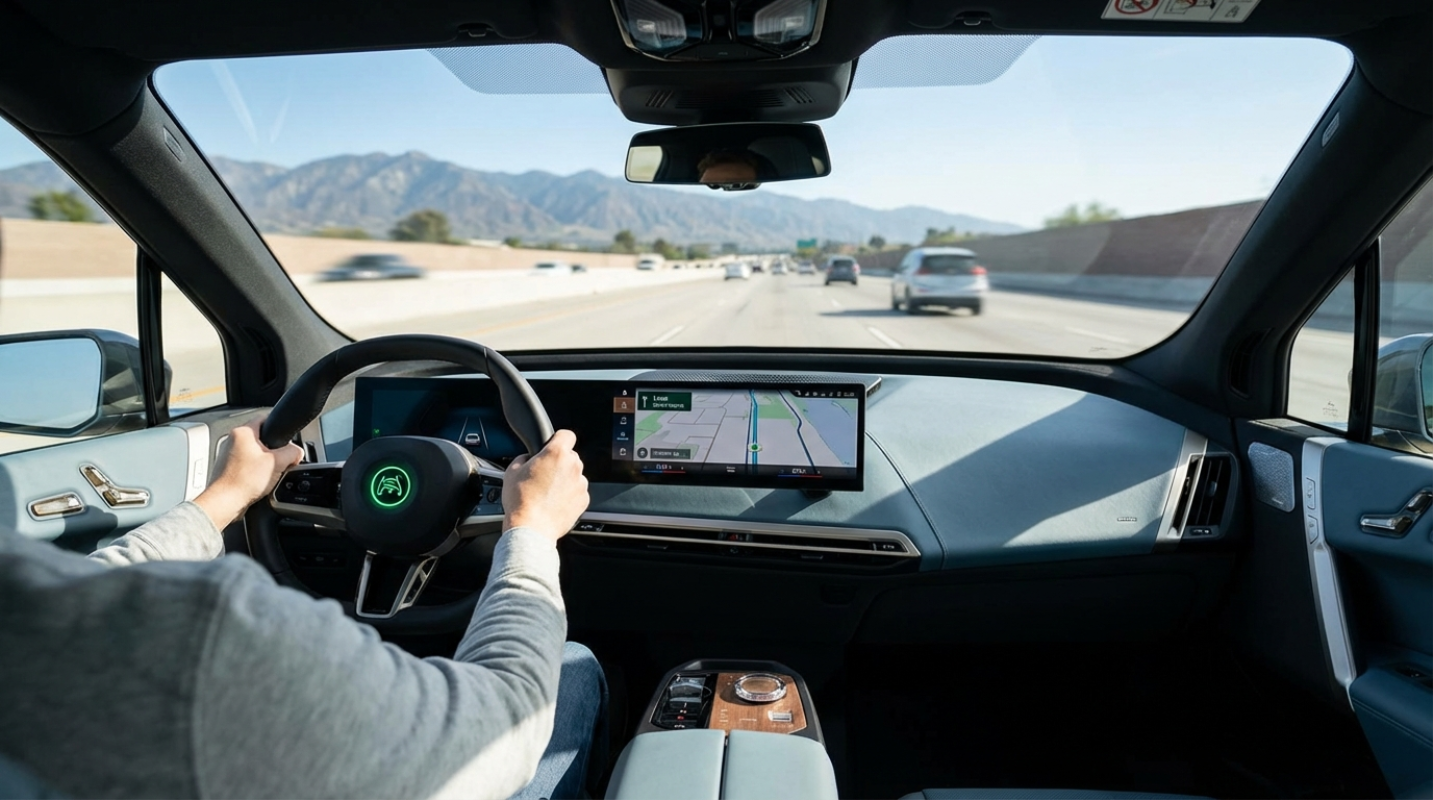
When we talk about highway driver assistance, we are usually talking about Level 2 systems. Think of these as a digital co-pilot. They use a mix of cameras, radar, and sometimes pre-mapped data to keep you centered in your lane and maintain a safe gap from the car ahead. Some let you take your hands off the wheel entirely on specific stretches of road, while others just want to feel a little bit of "touch" to know you are still awake.
So why does this matter? If you have ever spent an hour stuck in stop-and-go traffic on a Tuesday afternoon, you know the mental drain is real. These systems do not make the car autonomous, but they do lower your heart rate. We have rounded up the best contenders that manage to stay under that $50,000 ceiling while offering tech that actually works in the real world.
The Ground Rules, What $50,000 Gets You
Before we look at the cars, we need to be clear about the math. We are looking at the Manufacturer’s Suggested Retail Price (MSRP). This does not include destination fees or the various federal and state tax credits that might knock another $7,500 off the price. In 2026, many of these SUVs are more affordable than their gas-powered counterparts once you factor in those incentives.
The tech itself falls into two main buckets. First, you have hands-free systems. These are the gold standard. They use driver-facing cameras to make sure you are looking at the road, and as long as you are, the car does the steering for you on divided highways. Ford and GM are the leaders here.
Then you have hands-on systems. These are still very smart. They will steer around curves and adjust speed perfectly, but they require you to keep a hand on the wheel. It is the digital equivalent of a light guiding hand rather than a replacement for your own. For most people, this is more than enough to reduce road fatigue.
Range is the final piece of the puzzle. A highway cruiser is useless if it runs out of juice every 100 miles. We are looking for vehicles that can comfortably hit 250 miles or more on a single charge. This make sures you can actually use that driver assistance for a meaningful amount of time before you need to hunt for a plug.
Top Recommendations
If you are looking for the best mix of technology and value, these are the specific models that deserve a spot on your shortlist.
- Chevrolet Equinox EV, This is currently the value king of the electric world. For well under $50,000, you can get a model equipped with Super Cruise, which is widely considered one of the most natural-feeling hands-free systems on the market.¹ It uses LiDAR-mapped data to make sure the car knows exactly where it is, leading to fewer awkward mid-corner corrections.
- Ford Mustang Mach-E, Ford has been aggressive with pricing lately, making the Mach-E a serious contender for the sub-$50k crown. It features BlueCruise 1.5, which now handles automatic lane changes. If you are stuck behind a slow truck, the car can decide to move around it on its own. It is a seamless experience that feels more like a luxury feature than a budget one.²
- Tesla Model Y, You cannot talk about EV tech without mentioning Tesla. The Model Y Long Range RWD offers a massive 337 miles of range for under $45,000. Although its standard Autopilot is a hands-on system, its ability to handle complex lane markings is still some of the best in the business. Just be prepared for the occasional "nag" if the car thinks you are not paying enough attention.
- Hyundai Ioniq 5, Although it does not offer a hands-free mode, its Highway Driving Assist (HDA) is incredibly stable. It is the best choice for people who want a car that feels like a spaceship but charges faster than almost anything else. You can go from 10 percent to 80 percent battery in about 18 minutes at a compatible fast charger.³
The Hands-Free Leaders, BlueCruise and Super Cruise
If your goal is to literally let go of the wheel, your options used to be limited. Now, the Chevrolet Equinox EV and the Ford Mustang Mach-E are fighting for your driveway. Chevrolet’s Super Cruise is a marvel because of its mapping. It only works on roads that GM has mapped with LiDAR, which covers over 400,000 miles of highway in North America. Because the car knows the road geometry beforehand, it does not "hunt" for the lane lines like some camera-only systems do.
Ford’s BlueCruise 1.5 is the main rival here. It was recently rated as the top active driving assistance system by major testing groups because of its safety safeguards.⁴ It uses a camera on the steering column to watch your eyes. If you look down at your phone for more than a few seconds, it starts a countdown to hand control back to you. It is firm but fair, and the 2026 versions are smoother than ever when navigating through traffic.
One thing you need to watch out for is the subscription model. Most hands-free systems are not "free" forever. Ford often includes a trial period, but after that, you might be looking at a monthly or yearly fee to keep the hands-free functionality active. It is basically a software-as-a-service model for your car. If you don't want to pay a monthly bill, you might prefer the systems from Tesla or Hyundai, which are usually included for the life of the vehicle.
Practicality and the Charging Ecosystem
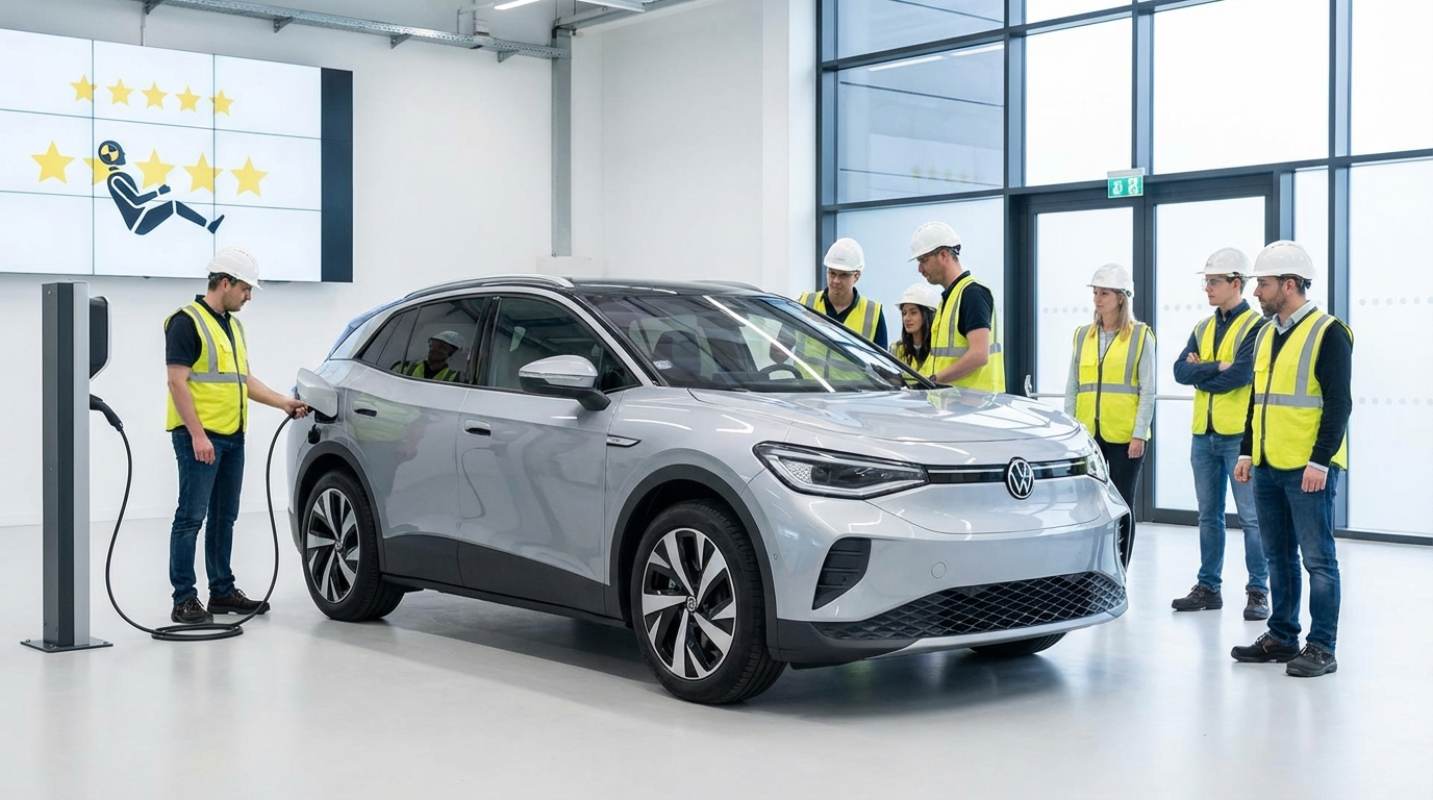
A great driver assistance system is only half the story. You also have to live with the car. In this price bracket, the interior quality can vary wildly. The Volkswagen ID.4, like, offers a very comfortable ride and plenty of cargo space for a family of four. Its IQ.DRIVE system is standard across all trims, which means you do not have to buy the most expensive version just to get the good safety tech.
But let's talk about the "road trip" factor. If you are using highway assistance, you are likely going a long way. This is where the Hyundai Ioniq 5 and its sibling, the Kia EV6, really shine. They use an 800-volt architecture. In plain English, that means they can accept power much faster than the Equinox or the ID.4. If you are at a high-speed charging station, you can finish a bathroom break and a snack only to find the car is already done charging.
Tesla still holds a massive advantage here with the Supercharger network. Even though other car companies are starting to gain access to Tesla's plugs, the integration in a Model Y is still the smoothest experience. You put your destination in the GPS, the car tells you where to stop, and you just plug in. No apps, no credit card readers that do not work, and no headaches. For many, that simplicity is worth more than a hands-free steering wheel.
Which Electric SUV Wins Your Commute?
Choosing the right EV for your highway drives depends on what you value most. If you want the absolute best hands-off experience for the lowest price, the Chevrolet Equinox EV is the winner. It brings high-end tech down to a price point that actually makes sense for a middle-class budget. Super Cruise is a joy to use and makes long hauls feel significantly shorter.
If you are a tech enthusiast who wants the longest range and the best charging network, the Tesla Model Y is still the benchmark. You have to keep your hands on the wheel, but the 337 miles of range gives you a level of freedom that other sub-$50k SUVs struggle to match. It is a versatile tool that handles almost any road with confidence.
For those who prioritize comfort and lightning-fast charging, the Hyundai Ioniq 5 is the smart play. Its driver assistance is reliable, and its ability to add 200 miles of range in the time it takes to grab a coffee is a game-changer for highway travel.⁵ Ultimately, the "best" car is the one that fits your specific route and your tolerance for subscriptions. The good news is that in 2026, you no longer have to be a millionaire to let your car take some of the stress out of the drive.
Sources: