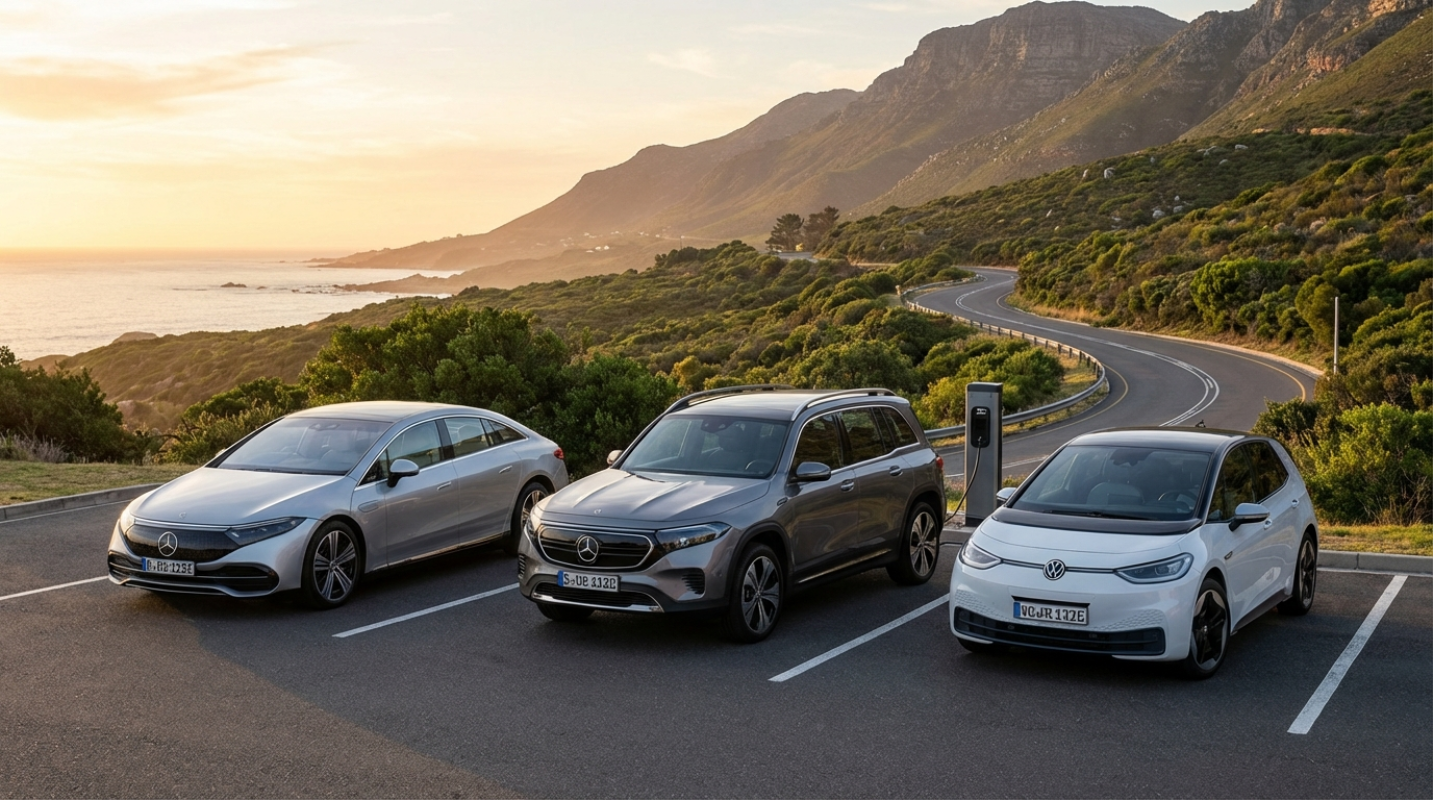
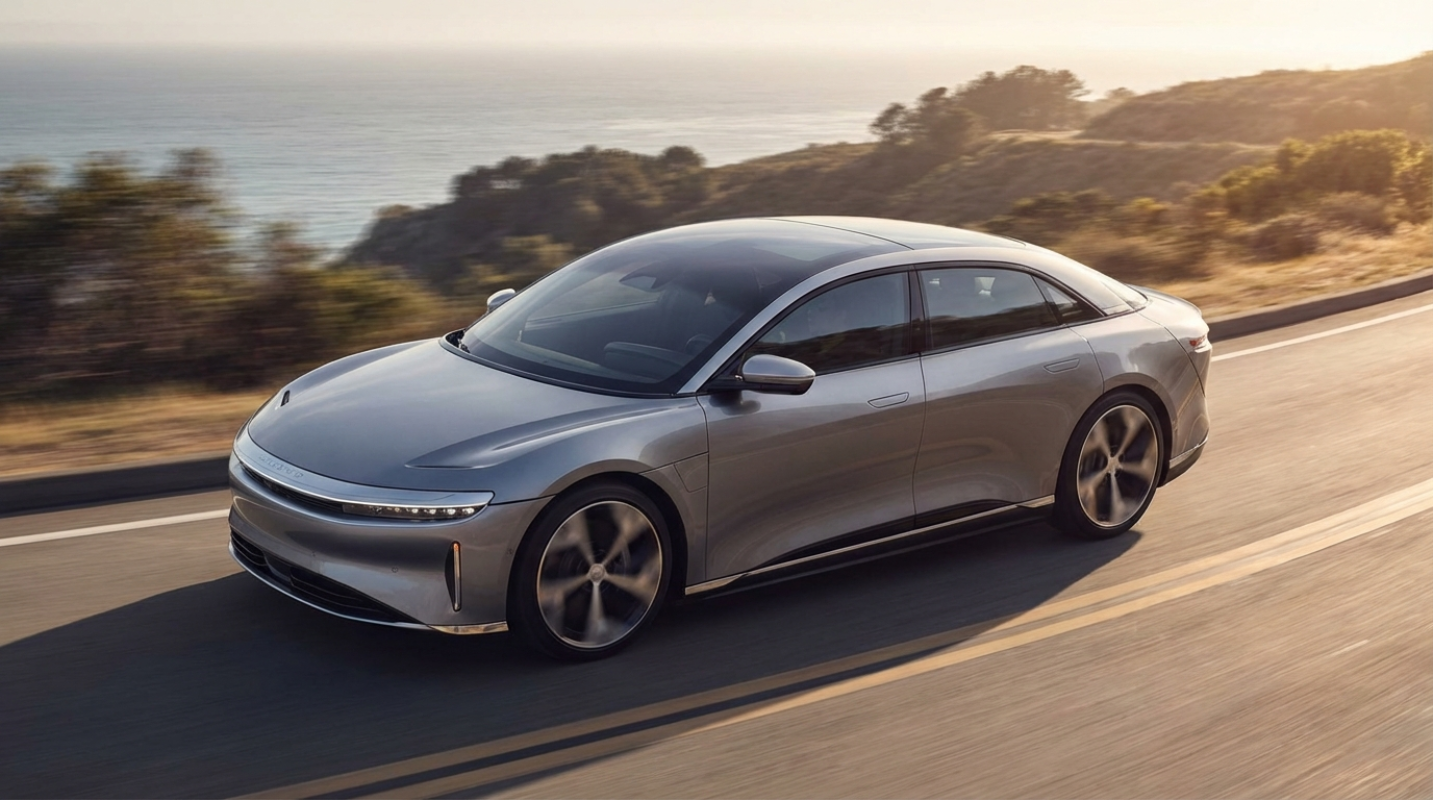
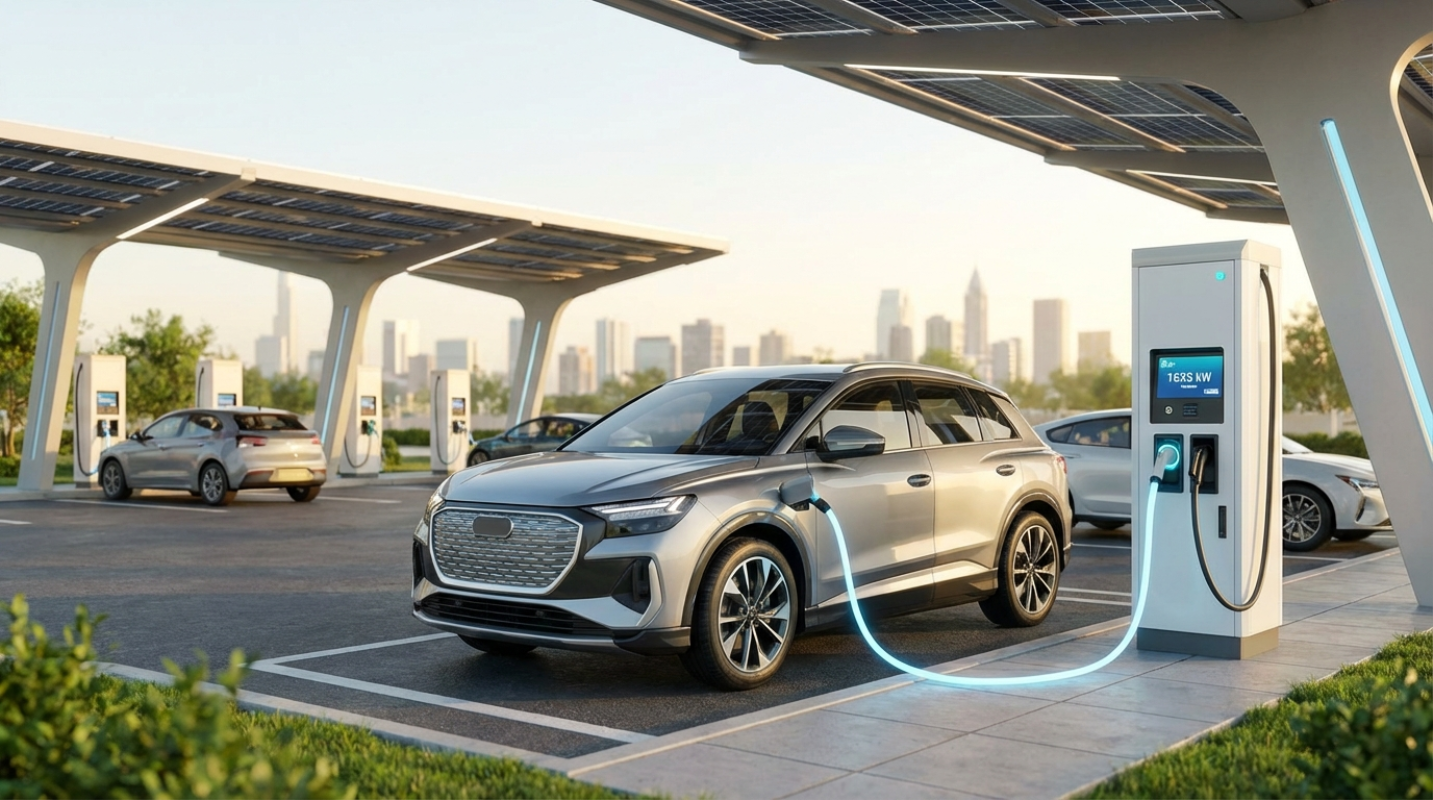
 (Image source: Gemini / Landon Phillips)
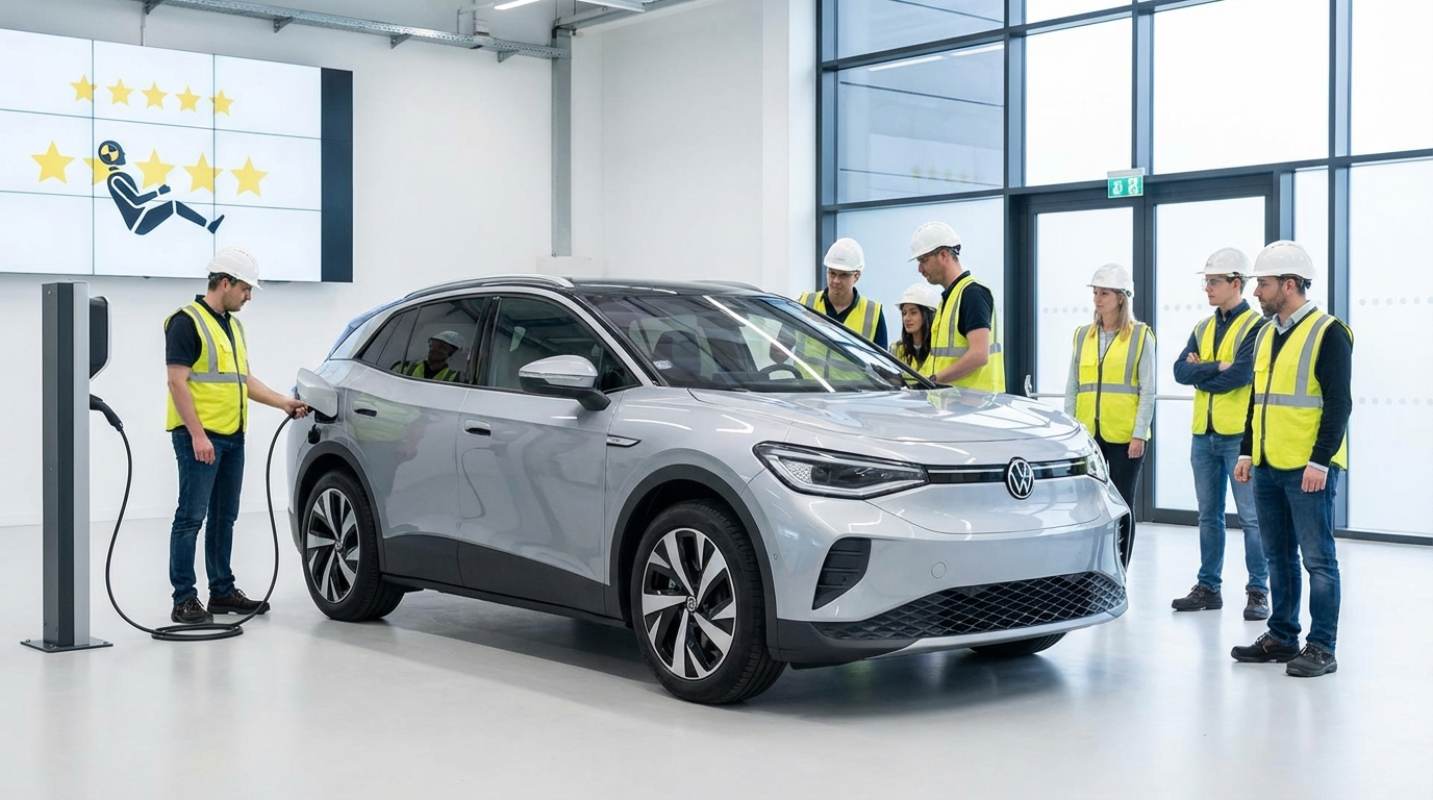
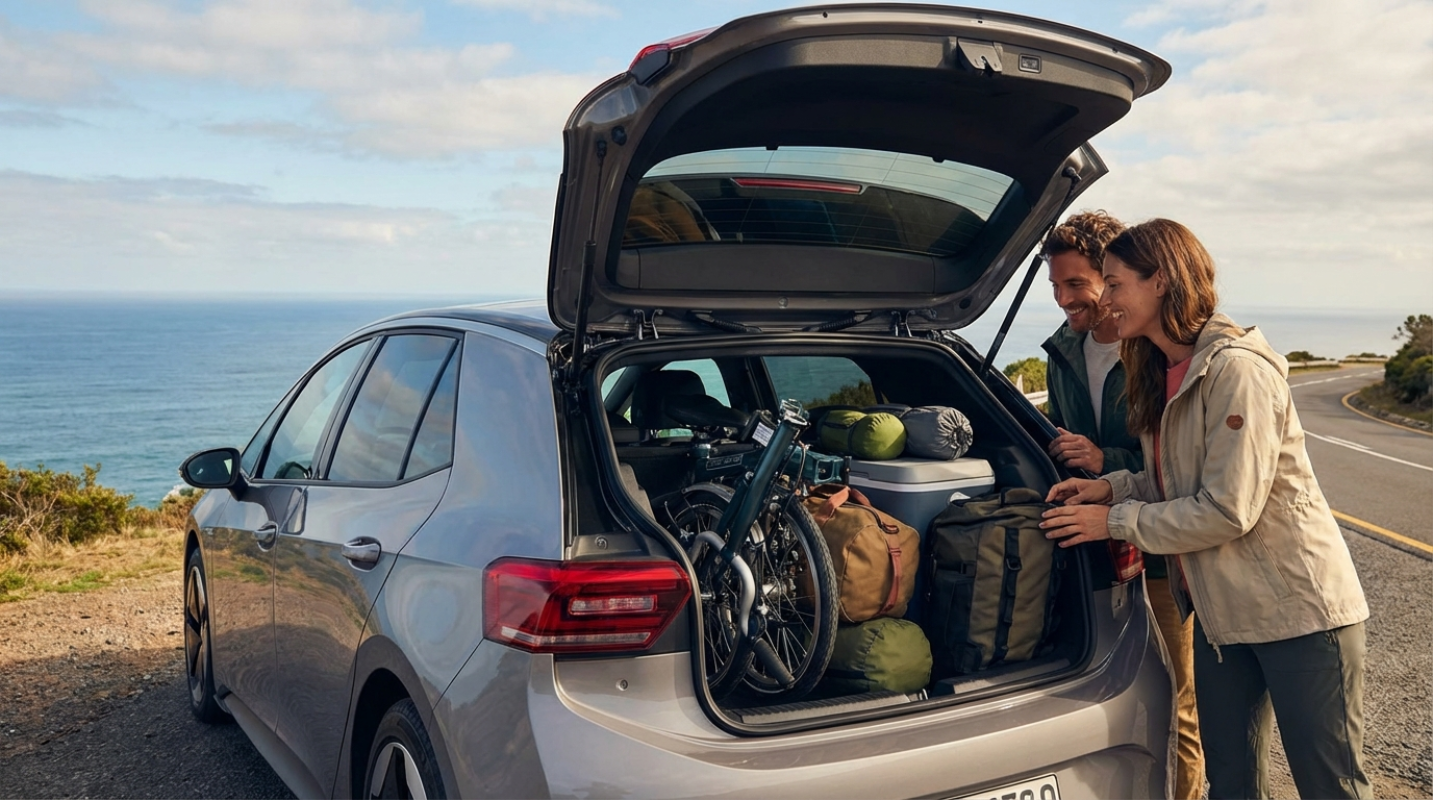
 You’ve probably been there. You’re halfway through a six-hour road trip, the kids are getting restless, and your electric crossover is hovering at 10 percent battery. You pull into a charging station, plug in, and then you wait. And wait.
In the world of electric vehicles, specifically the massive crossover segment, range used to be the only number people cared about. But as we move through 2026, the conversation has shifted. It’s no longer just about how far you can go on a single charge. It’s about how quickly you can get back on the road once that charge runs out.
What does "fast" actually mean in 2026? Is a 250 kW peak rate enough, or should you be looking for something that can handle more? If you’re shopping for a family hauler that won't leave you stranded at a rest stop for forty minutes, you need to know which models actually deliver on their promises.
Understanding EV Charging Metrics, kW vs Time
Before we look at the winners, we have to clear up some of the marketing fluff. You’ll often see a big number like 350 kW plastered on a car’s spec sheet. That’s the peak charging rate. Think of it like a car's top speed. Just because a car can hit 150 mph doesn't mean it stays there for the whole trip.
In fact, most EVs only hit that peak rate for a few minutes when the battery is nearly empty. As the battery fills up, the car slows down the intake of electricity to protect the cells from overheating. This is called the charging curve. If a car has a "flat" curve, it stays fast for longer, which is actually more important than a high peak number that drops off immediately.
This is why the industry uses the 10 percent to 80 percent metric. It’s the sweet spot where the battery can take the most power. Charging from 80 percent to 100 percent can often take as long as the initial 10 to 80 percent sprint. If you’re trying to be efficient, you’ll usually unplug at 80 percent and keep driving.
Battery chemistry plays a role here too. Nickel Manganese Cobalt (NMC) batteries, found in most high-performance crossovers, generally charge faster than Lithium Iron Phosphate (LFP) batteries. But LFP batteries are becoming more common in entry-level models because they’re cheaper and can be charged to 100 percent more frequently without degrading.
The Current Charging Champions, Top Crossover Contenders
If speed is your top priority, the leaders in this space are currently coming from the 800-volt architecture camp. These vehicles can pull massive amounts of power without generating as much heat as older 400-volt systems.
The Hyundai Ioniq 5 and Kia EV6 are still the benchmarks for mainstream buyers. Even with the 2025 update that pushed the battery size to 84 kWh, these cars can still do the 10 to 80 percent jump in about 18 to 20 minutes¹. That’s roughly the time it takes to grab a coffee and use the restroom. The Kia EV6 recently added a NACS port, making it even easier to find a reliable plug without fumbling with adapters².
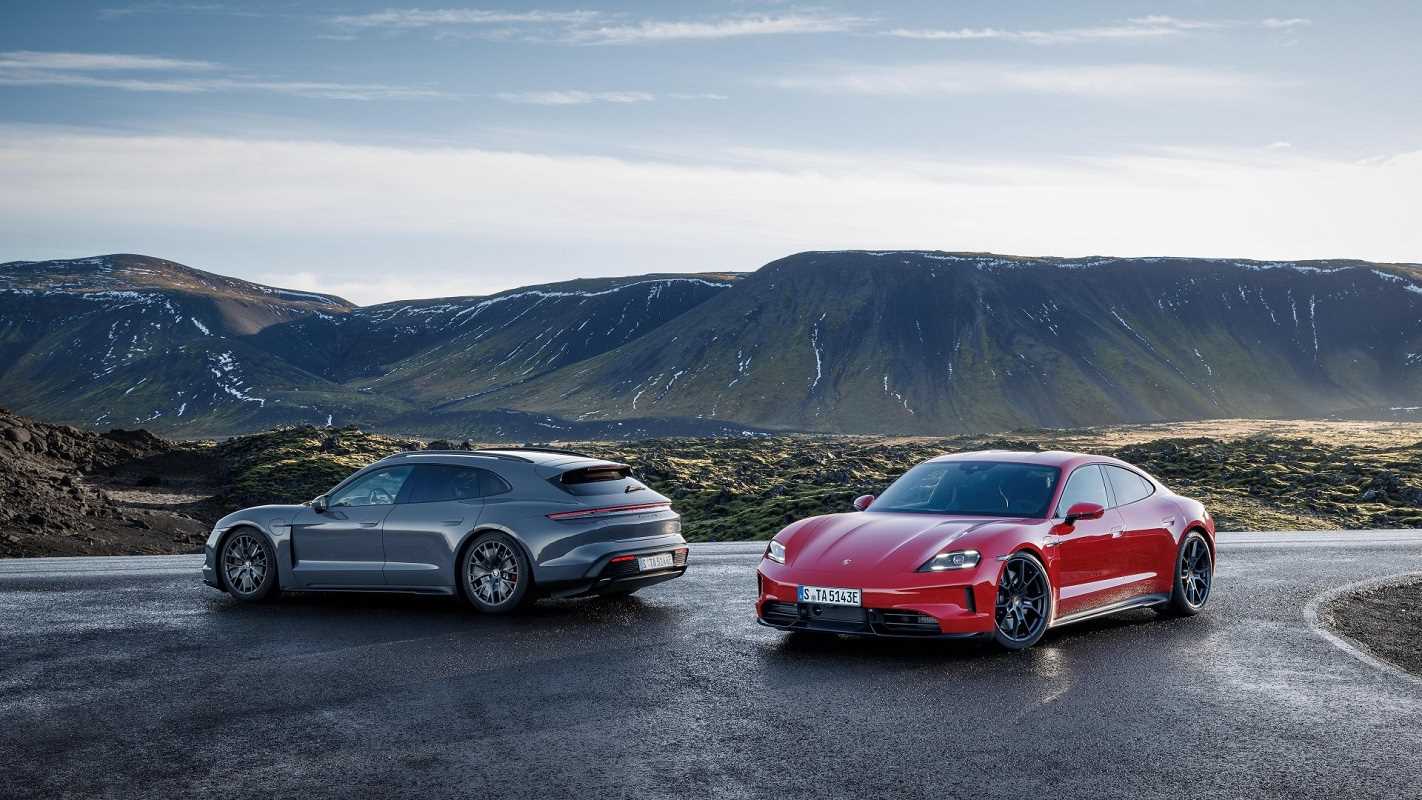
If you have a larger budget, the luxury segment has pushed things even further. The Porsche Macan EV uses a new platform that allows it to charge at 270 kW. In real-world testing, it has been known to beat its own specs, hitting 10 to 80 percent in just about 18 minutes. It’s a road trip beast because it maintains high speeds for a larger portion of the session.
Then there’s the Lotus Eletre. It currently holds the crown for the fastest-charging crossover you can actually buy. With a peak rate of 350 kW, it can add about 74 miles of range in just five minutes. It’s the digital equivalent of a splash-and-go pit stop.
Top Recommendations
If you are looking for the absolute best in charging performance for your next vehicle, these models represent the current peak of the market.
For those who want a blend of reliability and speed, the Tesla Model Y remains a strong contender. Although its 10 to 80 percent time is closer to 27 minutes, which is slower than the Korean rivals, the integration with the Supercharger network is seamless. You don't have to worry about "handshake" issues or broken screens as often.
Infrastructure Hurdles, Making the Most of High-Speed Charging
Owning a fast-charging car is only half the battle. You also need a charger that can keep up. If you plug a Lucid Gravity, which can handle over 400 kW, into a 50 kW "fast" charger at a grocery store, you’re going to be there for a long time.
Finding 350 kW chargers on networks like Electrify America or EVgo matters to realizing these speeds. You also need to make sure your car is ready to receive that power. Most modern crossovers have a feature called battery preconditioning. If you set the charger as your destination in the car’s navigation, the vehicle will heat or cool the battery to the perfect temperature while you’re driving there⁵.
Without preconditioning, especially in the winter, your charging speed will crater. A car that usually takes 18 minutes might take 45 minutes if the battery is too cold. It’s a simple step, but it’s the difference between a quick stop and a frustrating delay.
We’re also seeing a shift in how cars handle older chargers. The Audi Q6 e-tron uses something called "bank charging." If it’s plugged into an older 400-volt station, it can split its 800-volt battery into two 400-volt units and charge them in parallel. This keeps the speeds higher than they would be otherwise.
Future Proofing Your Charging Experience
As we look toward the end of 2026 and into 2027, the "fast" bar is going to keep moving. We are already seeing the first glimpses of solid-state batteries in prototype phases, which promise to cut charging times down to under ten minutes.
For now, if you’re buying a crossover, the 800-volt systems are the ones that will hold their value best. They are more compatible with the high-powered infrastructure being built today. Although a 150 kW peak speed, like what you find on the Chevy Equinox EV, is perfectly adequate for daily life, you might feel the pinch on a long holiday weekend when the chargers are crowded.
The most important metric for you isn't actually the peak kW. It’s how many miles of range you can add in ten minutes. The Kia EV6 currently leads the mainstream class here, adding about 100 miles in less than ten minutes. When you start thinking in terms of miles added per minute of waiting, the transition to electric feels much less like a compromise.
If you prioritize road-tripping, don't just look at the total range. A car with 300 miles of range that charges slowly is often more annoying than a car with 250 miles of range that charges in half the time. Speed is the ultimate convenience.
Sources:
1. 2025 vs 2024 Ioniq 5 Key Upgrades
2. Kia EV6 Changes and Updates