 (Image source: Gemini / Landon Phillips)
 You remember when the only thing people cared about with electric cars was how far they could go on a single charge? Those days feel like ancient history. In 2026, the range anxiety of the past has been replaced by a new kind of competition. Luxury automakers are now fighting for your attention by turning the car cabin into a high-tech sanctuary.
It is a shift from raw horsepower to digital horsepower. We are seeing a world where the interior of your car matters more than the motor under the hood. For the modern buyer, luxury is not just about the smell of leather or the quietness of the ride. It is about how well the car understands your needs and how seamlessly it connects to your digital life.
This article explores the new standards of automotive comfort. We will look at the massive screens that are replacing traditional dashboards, the software that learns your habits, and the surprising materials that are replacing old-school hides. Think of it as a guided tour through the most advanced living rooms on wheels.
The Cockpit Redefined: Immersive Infotainment and Display Technology
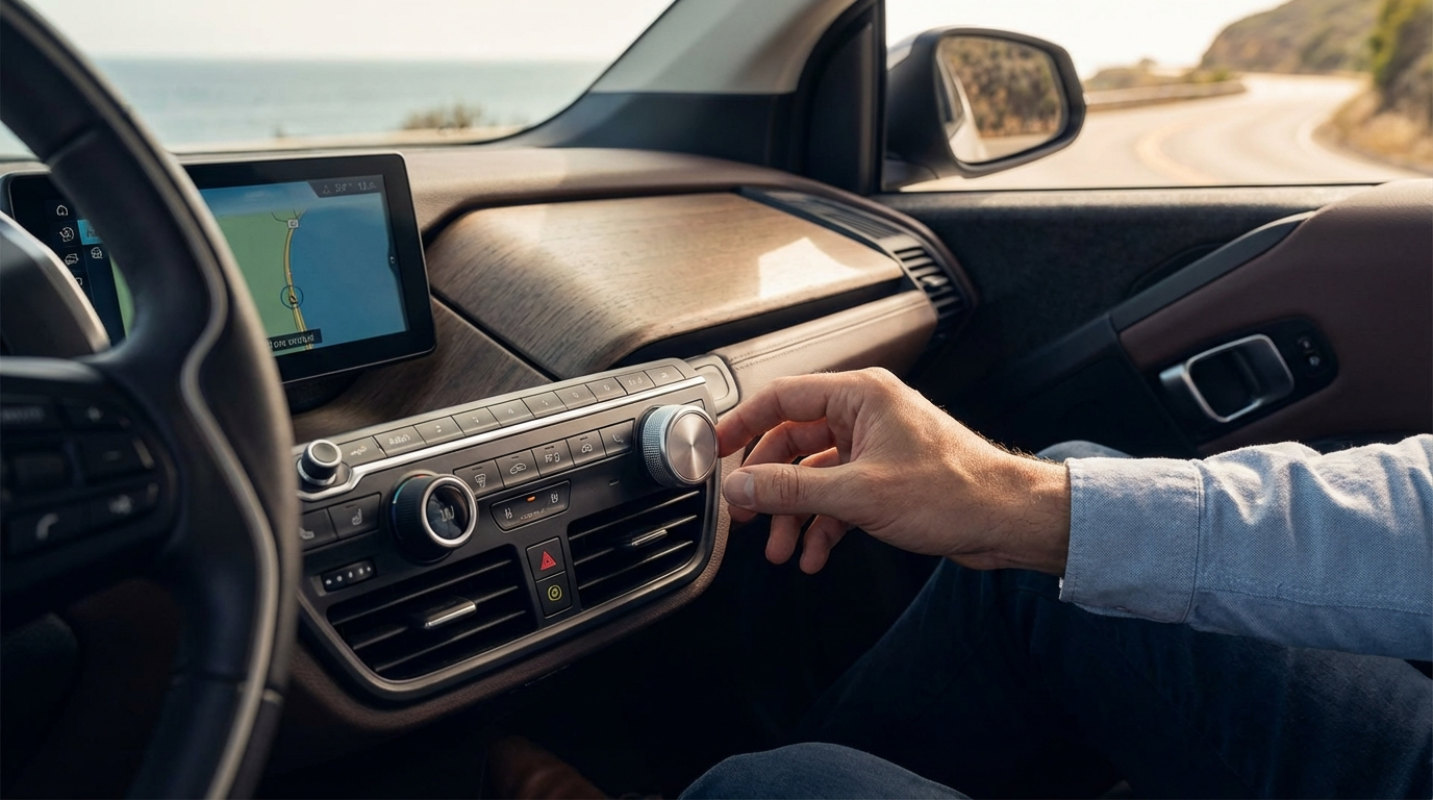
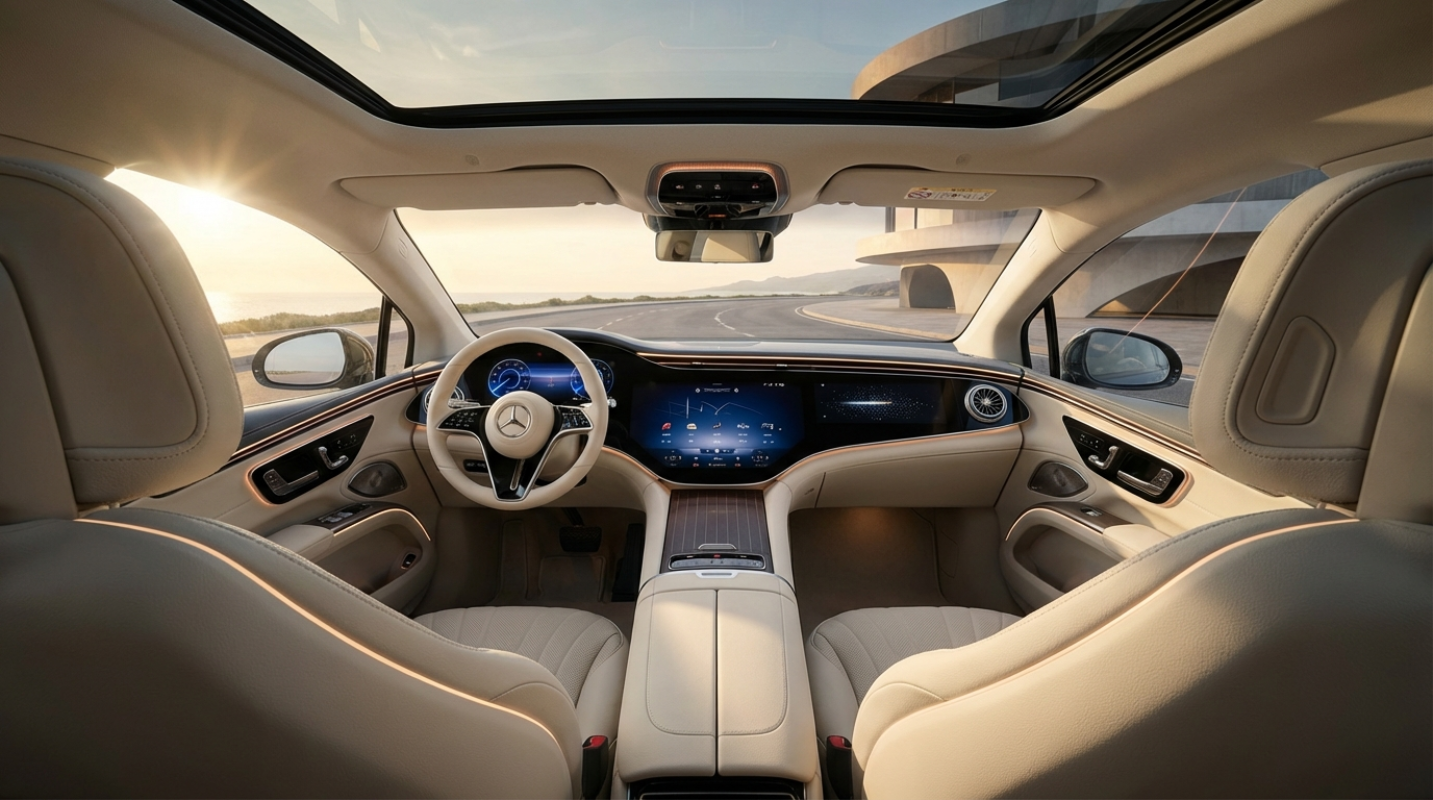
If you step into a high-end EV today, the first thing that hits you is the glass. Screens are no longer just tablets glued to the center console. They are the entire dashboard. Take the Mercedes-Benz MBUX Hyperscreen, like. It is a 56-inch curved glass surface that spans from one door to the other. It actually houses three separate displays under one piece of glass, including a dedicated screen just for the front passenger.¹
So what does this actually mean for you? It means the car can show you a massive navigation map while your passenger watches a movie or checks their email. The tech behind it is just as impressive. These screens use OLED technology, which provides the kind of deep blacks and sharp contrast you usually only see on a high-end home theater setup.²
Cadillac is pushing the envelope even further with the Lyriq. It features a 33-inch diagonal advanced LED display that can produce over one billion colors. With 9K resolution, it has the highest pixel density in the industry right now. It is crisp, bright, and honestly, a bit of a showstopper.
But it is not just about having the biggest TV in the car. It is about keeping your eyes on the road. This is where Augmented Reality Head-Up Displays (AR HUDs) come in. The Audi Q6 e-tron has a system that projects navigation arrows and safety warnings so they look like they are floating 650 feet in front of the car. It feels like playing a video game where the path is painted directly onto the asphalt. Porsche offers something similar in the Taycan, creating a virtual screen equivalent to 87 inches. It is the digital equivalent of having a personal navigator pointing at the exact lane you need to be in.
Seamless Connectivity and Personalization: The Software-Defined Cabin
The hardware is great, but the software is what really brings these cars to life. We are moving toward the software-defined vehicle. This means your car gets better over time through over-the-air updates, much like your phone does. You do not have to visit a dealership to get the latest features. They just appear in your driveway overnight.
Volvo and Polestar have taken a smart approach by integrating Google directly into the car. You do not have to mess with a clunky proprietary system. You just log in, and your Google Maps, Spotify, and Assistant are all right there. It feels familiar because it is the same ecosystem you use every day.
Artificial intelligence is also starting to play a bigger role in your daily commute. The Mercedes EQS uses what they call a Zero Layer interface. It uses machine learning to figure out what you need before you even ask for it.³ If you always call your mom at 5:00 PM on your way home, the car will put her contact info right on the main screen at that exact time. If you use the seat massage when it is cold outside, the car learns that pattern too.
Connectivity has reached a point where your phone is the only key you need. Digital key technology allows you to walk up to the car, and it unlocks automatically because it detects your smartphone. Some cars even allow you to share a digital key with a friend via a text message. It is convenient, and it is one less thing to carry in your pocket.
Sensory Luxury: Premium Audio, Material Science, and Ambient Experience
Luxury used to be synonymous with cowhide and mahogany. Not anymore. Today, the most expensive EVs are moving toward materials that are both high-tech and ethical. It is a new kind of "circular" luxury.
BMW is a great example of this. In the i7, they use a material called Econyl. It is a high-quality nylon made entirely from recycled fishing nets and old floor coverings.⁴ It sounds strange until you touch it. It feels premium, durable, and sophisticated. Volvo uses Nordico, a material made from recycled plastic bottles and corks from the wine industry. These materials are not just eco-friendly alternatives. They are the new status symbols.
Then there is the sound. When you do not have an engine roaring, the cabin becomes incredibly quiet. This makes the audio system even more important. Systems like the Burmester 4D in the Mercedes or the Bowers & Wilkins in the BMW are designed specifically for the acoustics of an electric car. They even use noise cancellation tech, similar to your favorite headphones, to drown out any wind or tire noise.
To tie it all together, automakers are using dynamic ambient lighting. This is not just a few glowing strips. It is an entire light show that syncs with your driving mode or your music. If you are in Sport mode, the cabin might glow red. If you are charging, it might pulse green. It creates an atmosphere that changes with your mood.
Top Recommendations
If you are looking for the best in-cabin experiences currently available, these models are the ones to watch. They represent the peak of what is possible when you combine electric power with high-end computing.
- Mercedes-Benz EQS (2025) . This remains the gold standard for screen real estate with its 56-inch Hyperscreen and AI-driven interface.³
- BMW i7 (2025) . This is the ultimate choice for passengers. The 31-inch 8K Theater Screen that drops from the ceiling turns the back seat into a private cinema.
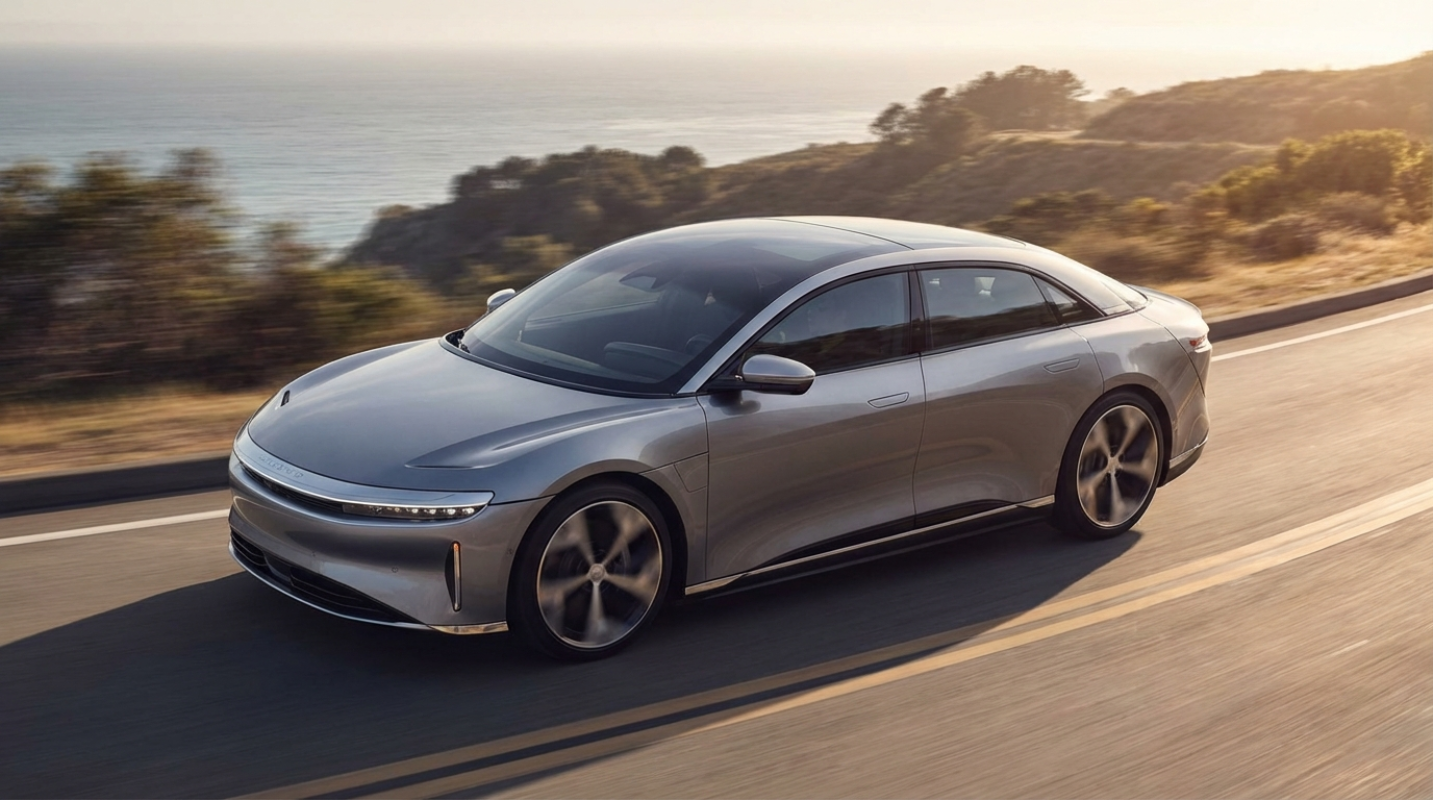
- Lucid Air . Perfect for those who want tech that feels integrated rather than a lot of. It uses a retractable Pilot Panel and beautiful sustainable wool blends.
- Audi Q6 e-tron . The go-to for drivers who love heads-up displays and augmented reality navigation that feels like the future.
- Cadillac Lyriq . A great pick if you want the highest resolution display on the market and a world-class AKG audio system.
Future Forward: Autonomy Integration and Biometric Security
As we move closer to cars that can drive themselves, the interior is going to change even more. When you do not have to focus on the road every second, the screens can be used for work or entertainment. We are already seeing the beginning of this with Level 2 and Level 3 driver-assistance systems. These systems allow the car to handle the steering and braking in certain conditions, giving you a chance to interact more with the cabin tech.
Security is also going digital. We are seeing more cars adopt biometric authentication. Instead of a pin code or a physical key, some vehicles now use facial recognition or fingerprint scanners to start the car and load your personal profile. The car recognizes it is you, adjusts the seat to your preferred position, sets the climate to 72 degrees, and pulls up your favorite playlist.
What is next? We are likely looking at holographic interfaces and modular interiors. Imagine a car where the seats can swivel to face each other or where the windshield itself becomes a massive screen for movies while the car drives you to your destination. It sounds like science fiction, but given how fast things have moved in the last five years, it is probably closer than you think.
The Unseen Value of the Digital Sanctuary
When you look at the price tag of a premium luxury EV, you are not just paying for a battery and some motors. You are paying for a highly sophisticated mobile environment. These features are designed to reduce the stress of your daily life. Whether it is an AI that knows your schedule or an AR display that makes navigation effortless, the goal is to make the time you spend in your car more productive and relaxing.
The luxury EV has become more than just a tool for transportation. It is a connected living space. It is a place where you can escape the noise of the world, enjoy a high-fidelity concert, or catch up on your favorite show while you wait for a charge.
As the technology continues to evolve, the line between our homes, our offices, and our cars will continue to blur. For now, these premium interior features are the clear differentiators that make a luxury EV worth the investment. It is not just about getting from point A to point B. It is about how you feel while you are on the way.⁵
Sources:
1. Top 7 Infotainment Features in Mercedes-Benz Models for 2025
2. Which Mercedes Has Hyperscreen?