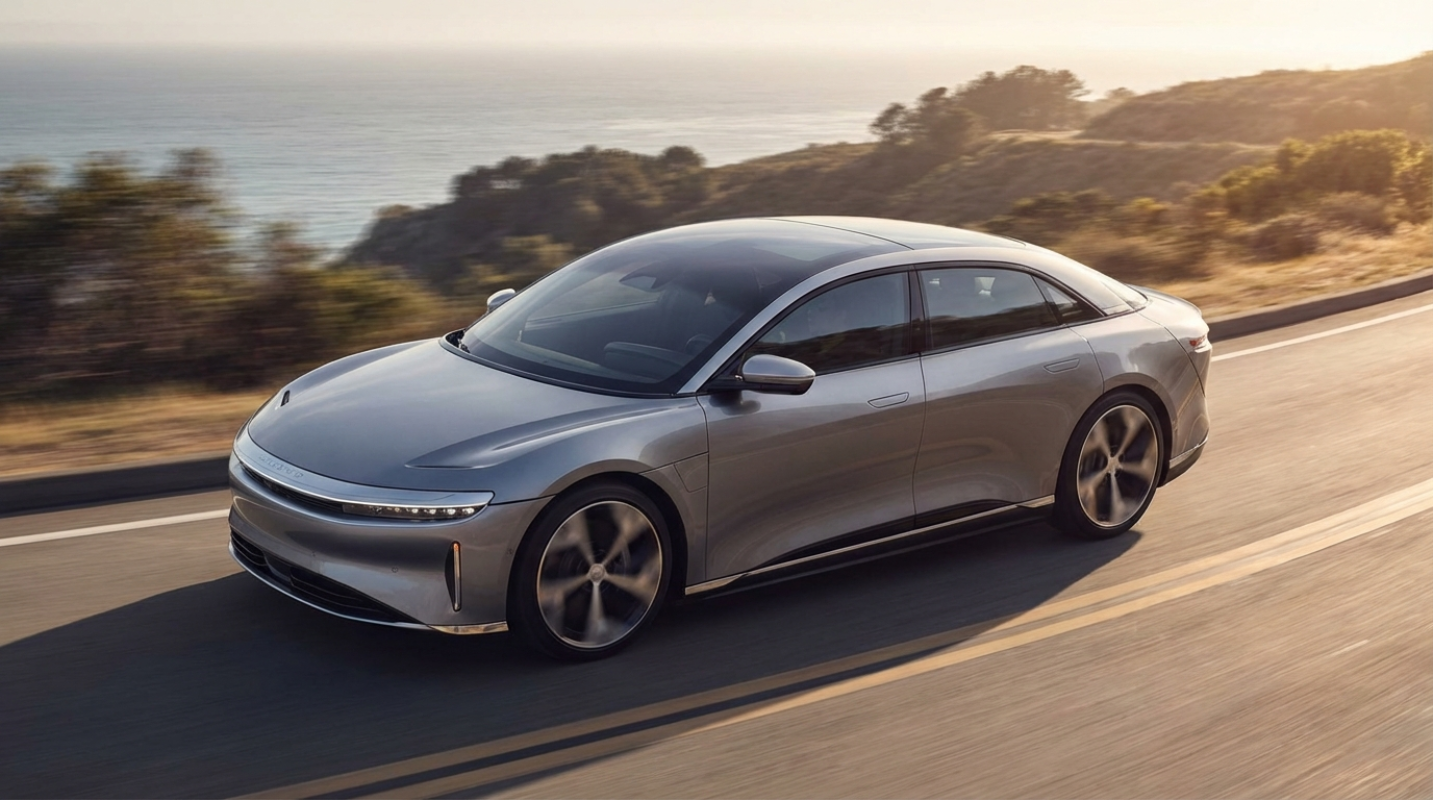
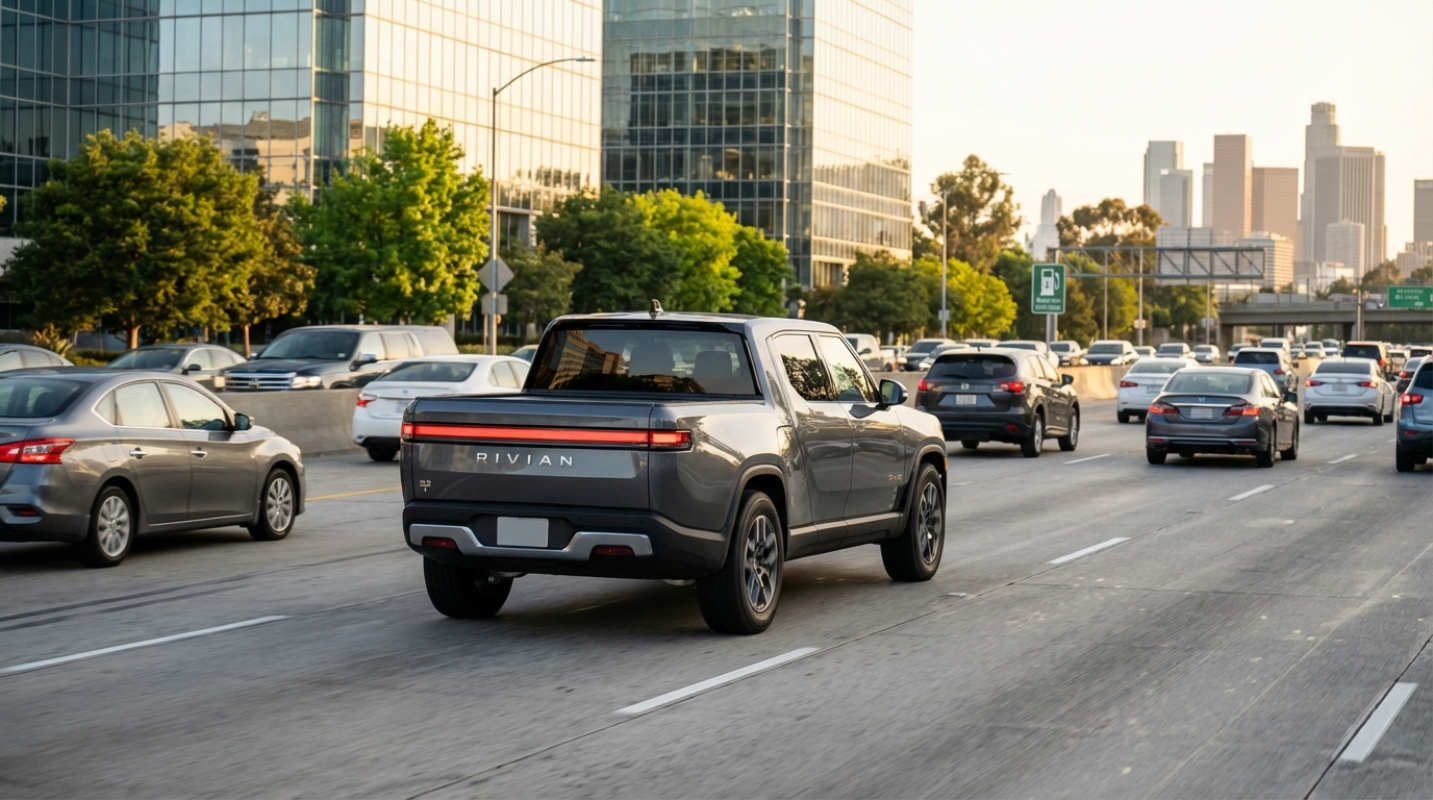
 (Image source: Gemini / Landon Phillips)
 Think back ten years. If you told someone you were buying a pickup truck specifically for your thirty mile commute to an office job, they would have looked at you like you had two heads. Back then, trucks were heavy, thirsty, and about as easy to park in a downtown garage as a school bus. You bought a truck because you had to haul gravel or tow a boat, not because you wanted a comfortable ride to a 9-to-5.
But things have changed. As we move through 2026, the pickup has officially completed its transformation from a specialized work tool into the ultimate daily driver. The catalyst for this shift? Electricity. The new generation of electric trucks has systematically dismantled every reason people used to avoid trucks for commuting. They are quiet, they are incredibly fast, and they don't cost a small fortune to "refuel" every week.
So what does this actually mean for your morning drive? It means you get the safety and visibility of a high seating position without the guilt of a forty dollar daily gas bill. It means having a vehicle that can handle a weekend trip to the hardware store but feels like a luxury sedan on the highway. If you have been sitting on the fence, it is time to look at how these machines have been redesigned with your daily routine in mind.
The Myth Busted, Trucks Aren't Just for Work Anymore
For decades, the standard knock against using a truck as a commuter was efficiency. If you weren't using the bed to earn a living, you were just burning money. But the electric motor changed the math. When you remove the internal combustion engine, you also remove the vibration, the noise, and the inefficiency of idling in stop and go traffic.
Modern EV trucks solve the two biggest pain points for the average commuter: fuel economy and size anxiety. You no longer have to worry about getting twelve miles per gallon while you are stuck on the interstate. Instead, you are coasting in near silence, using regenerative braking to put energy back into your battery every time traffic slows down.
There is also a shift in how we think about utility. Most of us don't need to tow ten thousand pounds every Tuesday, but we do need a place to put groceries where they won't roll around, or a secure spot for a gym bag. The "frunk" (front trunk) has turned the pickup into a practical family vehicle. It is the digital equivalent of getting a giant trunk for free because the engine is gone.
Commuter-Focused EV Truck Features That Matter
When you are looking for a daily driver, the specs that matter for a construction site aren't the same ones that matter for a commute. You probably don't care about max payload as much as you care about whether the truck can fit into that tight spot in the parking deck.
Range is the first thing everyone asks about, but for a commuter, the "real world" number is what counts. Although some trucks claim massive distances, highway driving at 75 mph usually eats into those estimates. Like, the Chevrolet Silverado EV and GMC Sierra EV have been clocked at over 500 miles of real-world range.¹ That is enough for most people to drive to work for an entire week without ever plugging in.
Maneuverability is the second big hurdle. Historically, trucks had the turning radius of a cruise ship. Now, engineers are using rear-wheel steering to make these giants feel nimble. The GMC Sierra EV and Chevy Silverado EV feature four-wheel steering that brings their turning circle down to 42.2 feet.¹ To put that in perspective, that is tighter than some mid-sized gas SUVs. It makes a massive difference when you are trying to handle a crowded Starbucks drive-thru or a narrow parking garage.
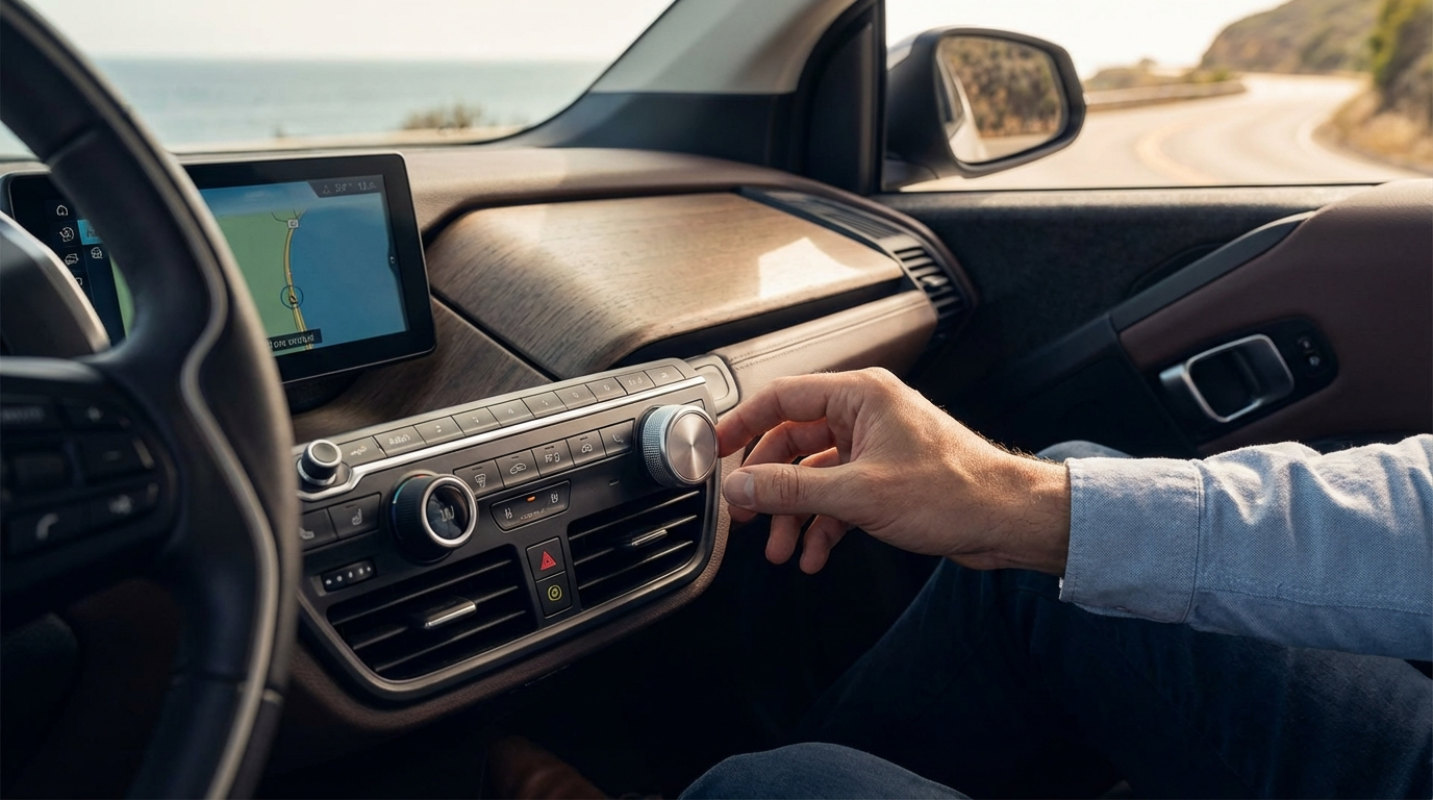
Then there is the cabin. Since you are going to be spending an hour or two here every day, comfort is king. We are seeing a move toward premium materials and massive screens that handle everything from your podcasts to your navigation. Advanced driver-assistance systems (ADAS) have also become standard, taking the stress out of bumper-to-bumper traffic by handling the braking and accelerating for you.
Case Studies, The Best EV Trucks for the Daily Grind
Not all electric trucks are built with the same philosophy. Some are trying to be spaceships, while others want to be the same truck you have always loved, just better.
The Rivian R1T is perhaps the most commuter friendly of the bunch because of its footprint. It is about 15 inches shorter than a Ford F-150, which makes it significantly easier to live with in an urban environment.² It has a turning circle of 44.9 feet, which is impressive for a vehicle with this much power.² If your commute involves tight city streets, the Rivian is the easiest one to live with day-to-day.
On the other hand, the Ford F-150 Lightning is for the person who wants their truck to act like a truck. It doesn't try to reinvent the wheel. The interior has actual buttons for the climate control, which is a blessing when you are driving and don't want to dig through three touch-screen menus just to turn down the heat. Its standout feature for the daily driver is the 14.1 cubic foot frunk.³ It is weather-proof, lockable, and even has power outlets, making it the perfect spot for your laptop bag or groceries.
Top Recommendations
If you are looking for a truck that fits your specific lifestyle, here is how the current market shakes out for the 9-to-5 crowd.
- Best for City Commuters - Rivian R1T. Its smaller size and nimble handling make it the king of the parking garage.
- Best for Long-Distance Commuters - Chevrolet Silverado EV. With over 500 miles of real-world range, you won't have range anxiety even on the coldest days.¹
- Best for Luxury and Comfort - GMC Sierra EV Denali. This truck has the quietest cabin in the segment and uses high-end materials like authentic wood and stainless steel.¹
- Best for Traditionalists - Ford F-150 Lightning. It offers the most intuitive controls and a massive frunk that replaces the need for a traditional trunk.³
The Economics of the EV Commute, Savings vs. Sticker Price
Let's talk about the elephant in the room: the price tag. Yes, electric trucks usually cost more upfront than their gas counterparts. But you have to look at the total cost of ownership. If you are commuting fifty miles a day, the savings on fuel alone can be staggering.
Think of it like this: you are pre-paying for your fuel when you buy the battery. Instead of being at the mercy of fluctuating gas prices, you are paying a relatively stable electric rate. In many states, charging at home overnight costs the equivalent of paying one dollar per gallon for gas. Over five years of commuting, those savings can easily climb into the five-figure range.
Maintenance is the other hidden win. No oil changes, no spark plugs, and far fewer moving parts mean you spend less time at the mechanic and more time on the road. Even the brakes last longer because the electric motors do most of the slowing down. When you factor in potential tax credits that are still available for many of these models, the "expensive" EV truck starts to look like a very smart financial move for a high-mileage driver.
Looking Ahead, What Is Next for the Urban Electric Truck
The trucks we see on the road today are just the beginning. Now that the "big" trucks have proven the technology works, we are starting to see concepts for smaller, even more efficient pickups designed specifically for urban utility. These smaller trucks will likely focus even more on parking ease and affordability rather than towing capacity.
We are also seeing more people use their trucks as giant mobile batteries. The Vehicle-to-Load (V2L) technology found in trucks like the Ford Lightning and the Silverado EV means you can run power tools, a laptop, or even your home's refrigerator during a power outage. For the daily commuter, this adds a layer of security and convenience that a gas truck simply cannot match.
The electric pickup is no longer a novelty for early adopters or a specialized tool for contractors. It has become a legitimate, sophisticated choice for anyone who needs a versatile vehicle for their daily life. Between the massive fuel savings, the high-tech interiors, and the surprising ease of driving, the EV truck has officially earned its spot in the commuter lane.
Sources:
1. 2025 GMC Sierra EV Denali First Drive Review
2. Cybertruck vs Rivian vs Lightning vs Silverado Specs