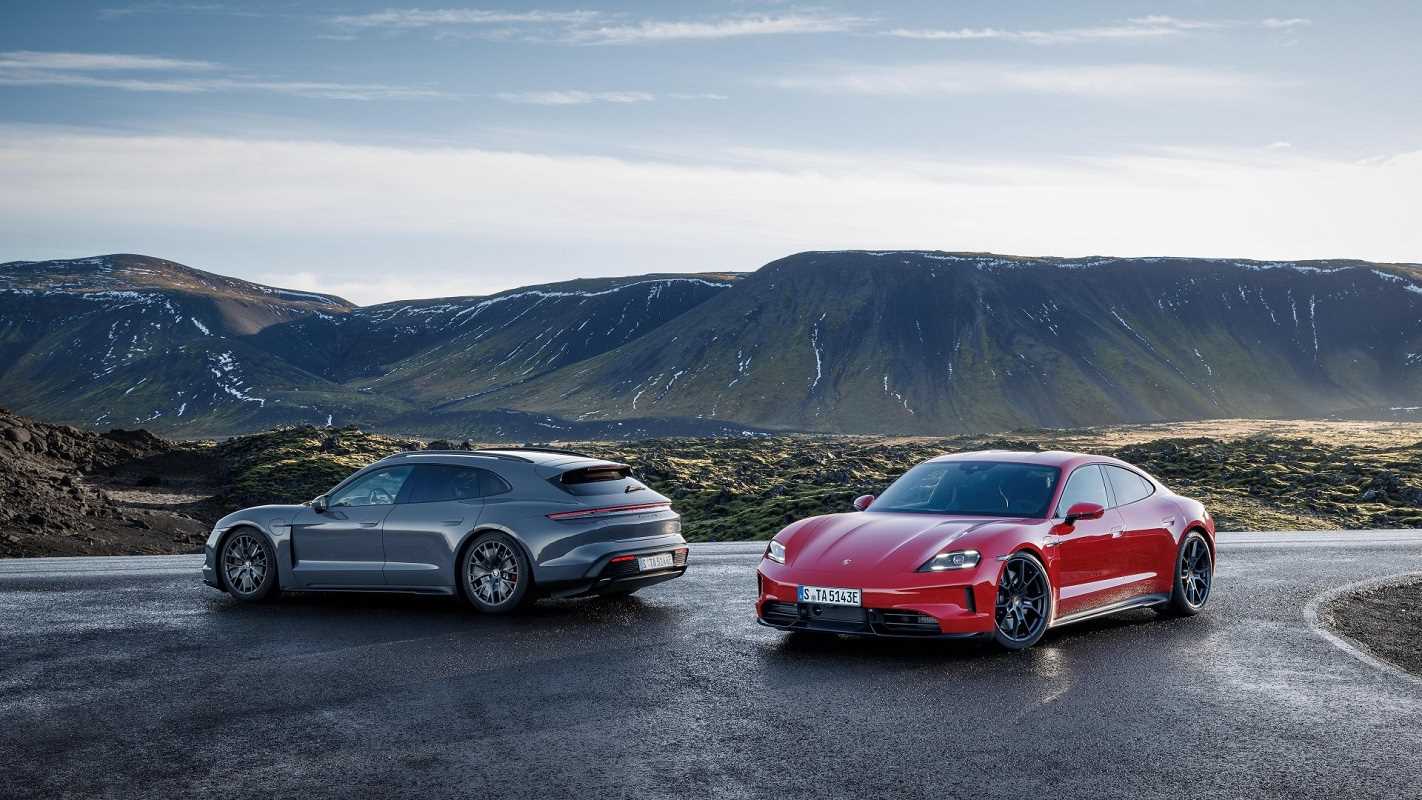
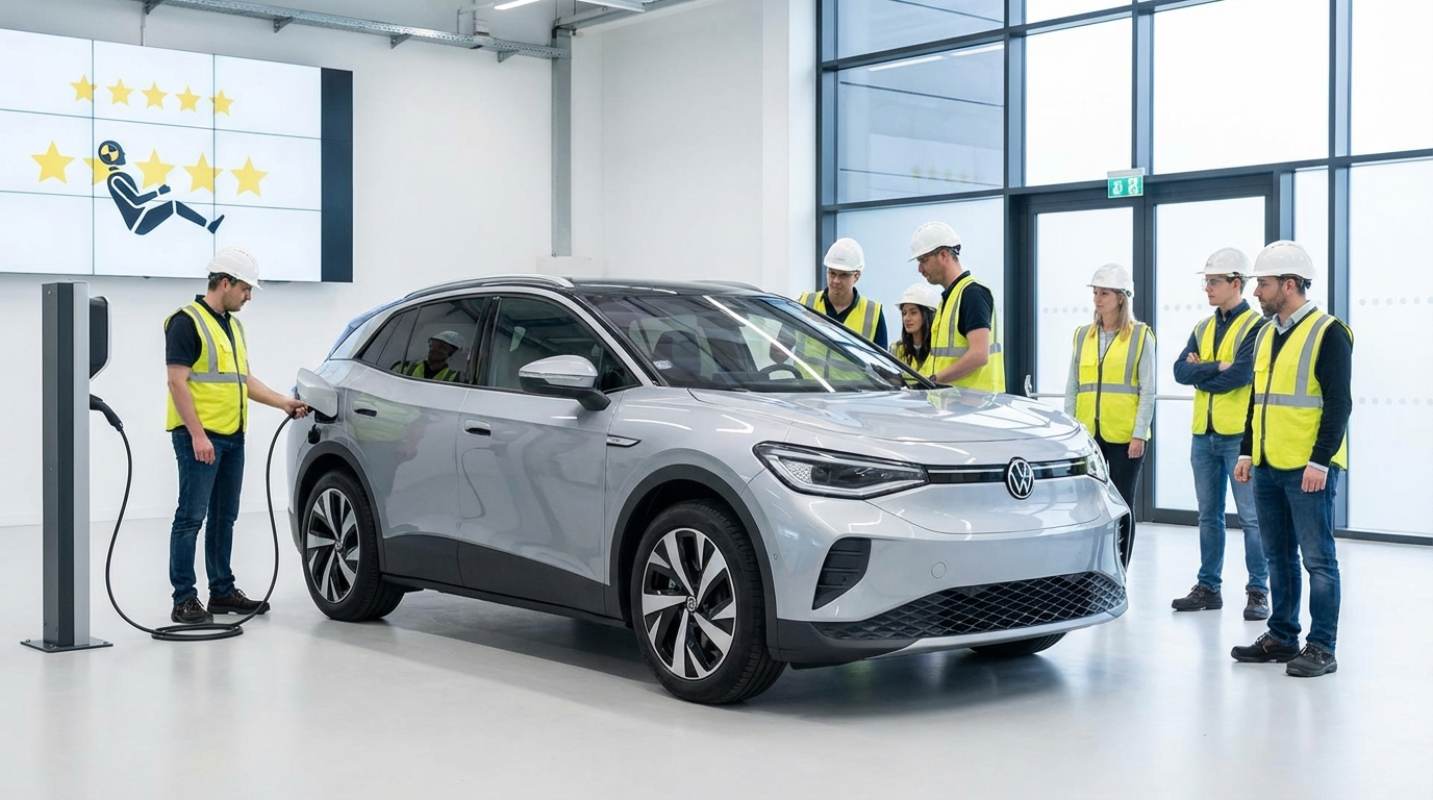
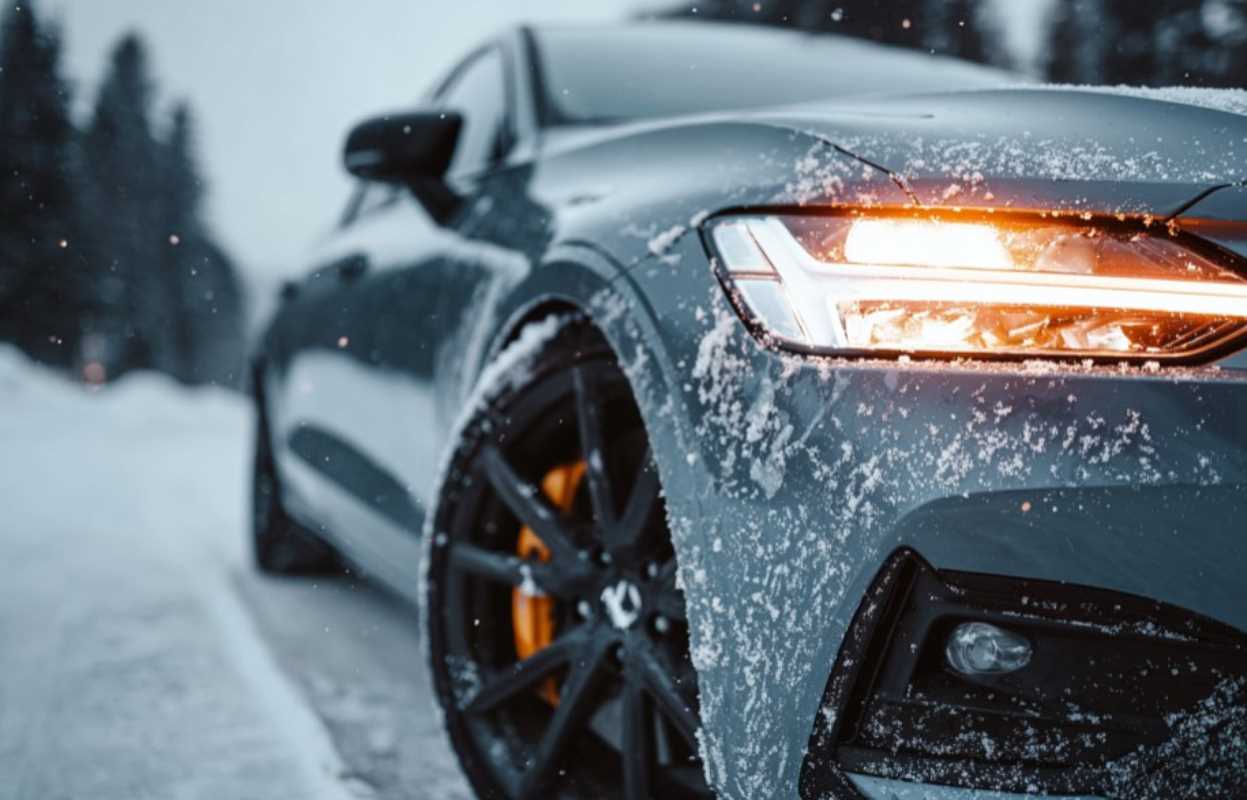
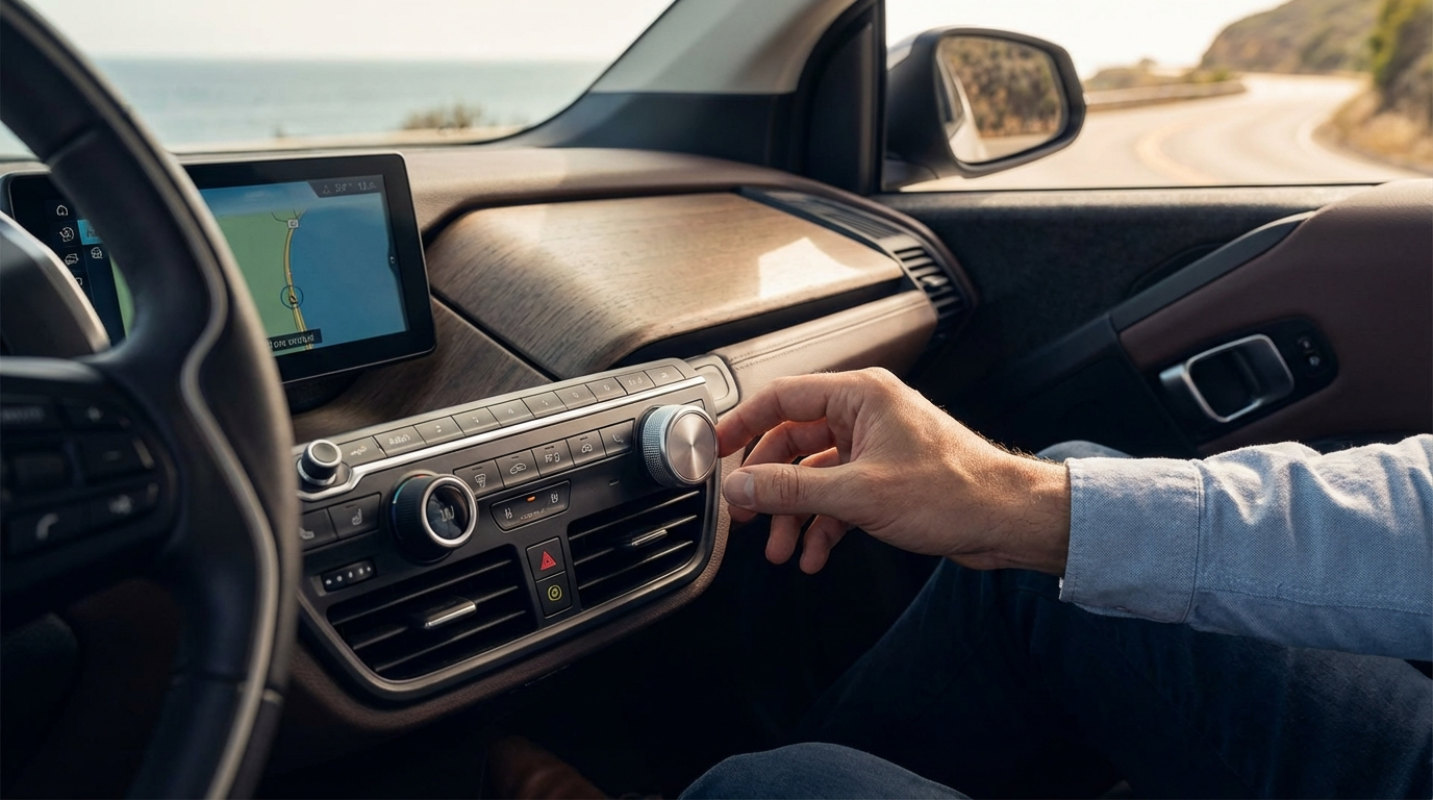
 (Image source: Gemini / Landon Phillips)
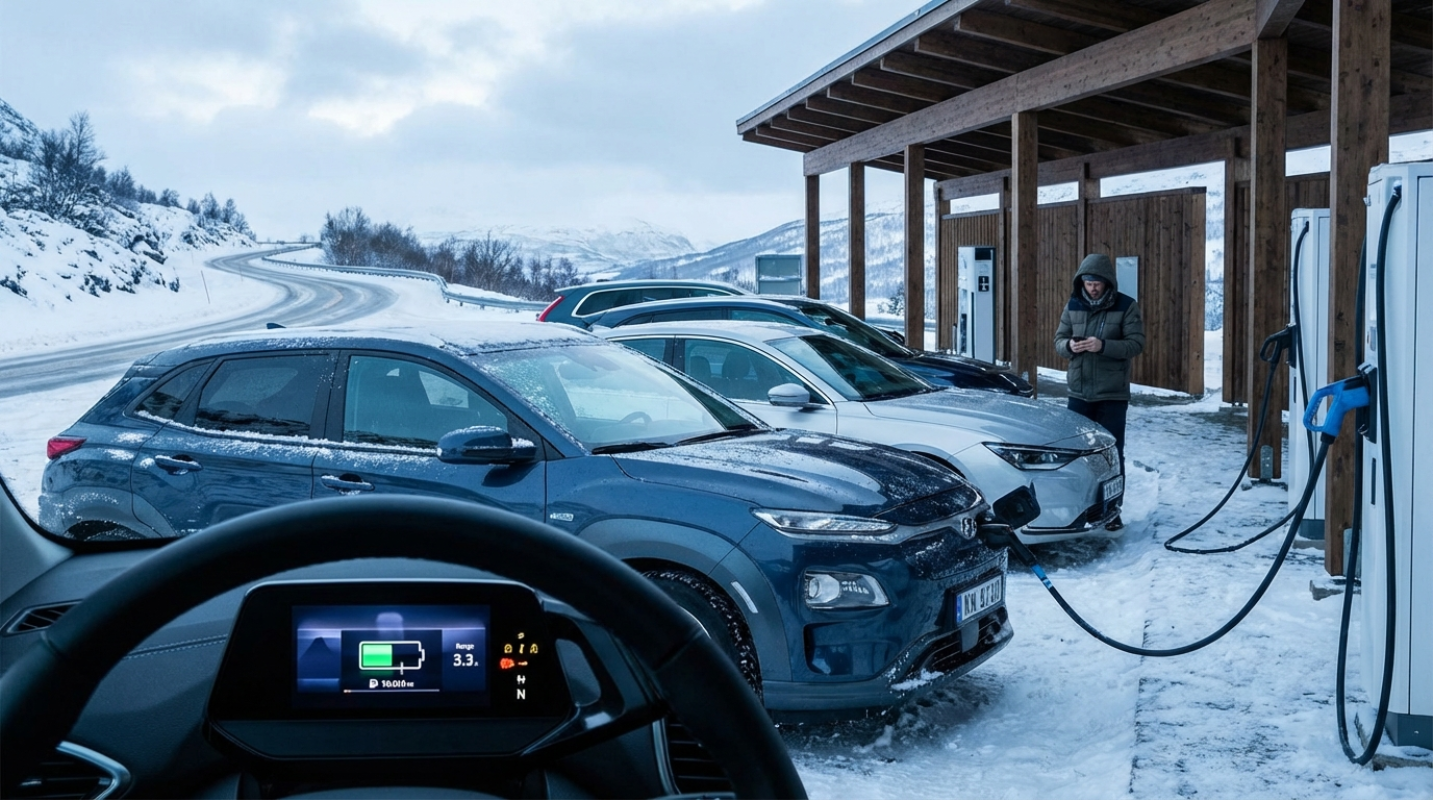
 You wake up on a Tuesday morning and the thermometer outside reads 20 degrees Fahrenheit. You look at your phone to check your electric vehicle’s state of charge. Even though you charged it to 80 percent last night, that estimated range number looks a lot smaller than it did back in July. Does this sound familiar? It is the reality for thousands of drivers every winter, and it is the single biggest source of anxiety for people considering the jump to electric.
The numbers you see on the window sticker when you buy a car are based on EPA or WLTP cycles. These tests happen in controlled, laboratory settings that feel like a perfect spring day. They don't account for a freezing wind in Minnesota or a slushy commute in Oslo. Real world range is what actually happens when you turn on the heater, fight through snow, and try to keep your battery from freezing.
As we look back at the extensive testing data from the 2023 and 2024 winter seasons, we have a much clearer picture of how popular models like the Tesla Model 3, Ford Mustang Mach-E, and Hyundai Ioniq 5 actually handle the frost. Although every EV takes a hit when the mercury drops, the difference between a car that manages heat well and one that doesn't is massive.
So what does this actually mean for your daily commute? It means you need to look past the marketing and understand the hardware under the floorboards.
The Science Behind Cold Weather Range Loss
Why does your battery suddenly act like it wants to stay in bed when it gets cold? Think of it like a chemical factory. Inside a Lithium-ion battery, ions move through a liquid electrolyte. When that liquid gets cold, it becomes more viscous and sluggish. The chemical reactions literally slow down. This increases internal resistance, which means you can't get as much energy out, and you certainly can't put it back in as quickly through regenerative braking.
Then there is the issue of keeping you warm. In a gas car, about 70 percent of the energy in the fuel is wasted as heat. In the winter, you just redirect that waste into the cabin. It's basically free. But an EV is so efficient that it doesn't have much waste heat. To keep your toes from freezing, the car has to use the same electricity that turns the wheels to generate warmth.
This is where the battle of heating systems begins. Older or cheaper EVs often use resistive (PTC) heating. Think of this like a giant space heater or a toaster. It is 100 percent efficient in a physics sense, but it's a massive power hog. Newer, more advanced models use heat pumps. These work like a refrigerator in reverse, pulling heat from the outside air (even when it's cold) and moving it inside.
A heat pump can be three to four times more efficient than a resistive heater.⁵ This efficiency gap is the primary reason why some cars lose 40 percent of their range while others only lose 15 percent. If your car lacks a heat pump, you are paying a range tax every time you turn on the climate control.
Comparative Analysis, Winter Range Winners and Losers
The Norwegian Automobile Federation (NAF) runs the world’s most grueling winter range test, known as the El Prix. Their data from 2024 changed the way we think about winter performance because it showed that some newcomers are absolutely crushing the established players.
- The Champion, HiPhi Z
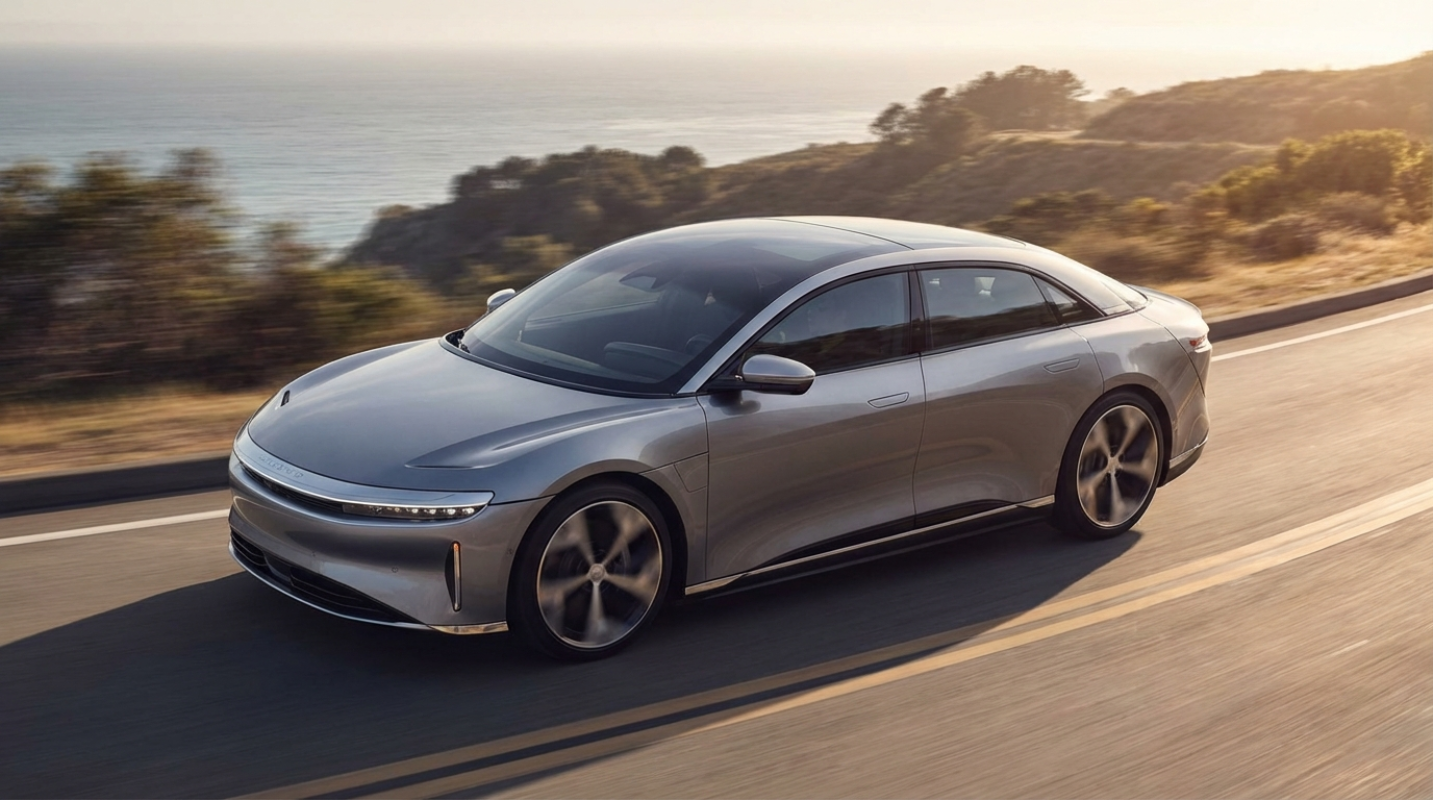
This luxury sedan set a benchmark that shocked the industry. In temperatures between -2 and -10 degrees Celsius, it lost only 5.9 percent of its advertised range.¹ It traveled 324 miles in freezing conditions, proving that superior thermal management can almost negate the winter penalty.²
- The Premium Performers
The BMW i5 and the Kia EV9 both showed impressive resilience. The i5 lost only 12.2 percent of its range, while the massive Kia EV9 lost 12.5 percent.⁵ These results show that luxury brands are finally perfecting the art of the heat pump.
- The Popular Model Struggles
Perhaps the most surprising result was the Tesla Model 3 (the Highland facelift). Although Tesla has long been the gold standard, this specific model missed its WLTP target by nearly 30 percent in the 2024 test.⁵ It is still a capable car, but it shows that even the leaders can have bad days when the conditions get tough.
- The Efficiency Gap
Looking at aggregated data from 2023 and 2024, we see a clear hierarchy. The Tesla Model Y and Model X consistently retain 81 to 89 percent of their range because of their standard heat pumps and the Octovalve system. On the other end of the spectrum, the Chevy Bolt and the Volkswagen ID.4 often see losses of 30 to 37 percent.⁴ This is the difference between making it to your destination and looking for a charger twenty miles early.
Beyond the Battery, Driver Habits and Vehicle Features That Matter
Is it all about the hardware? Not quite. You have more control over your winter range than you might think. It’s the digital equivalent of packing an extra sweater.
The most powerful tool at your disposal is preconditioning. Most modern EVs allow you to set a departure time through an app. If the car is plugged into a home charger, it will use power from the grid to warm the battery and the cabin before you even open the door. This means the battery is already at its "happy" operating temperature when you pull out of the driveway, saving you about 5 to 10 percent of your range right off the bat.
Tires are another hidden range killer. Winter tires are made of a softer rubber compound that provides better grip, but they also have higher rolling resistance. When you combine that with the fact that cold air is denser (which increases aerodynamic drag), you are fighting a multi-front war against physics.
If you are really worried about making it to your destination, stop using the cabin heater to warm the air. Instead, rely on your heated seats and heated steering wheel. These use a fraction of the energy required to heat the entire volume of the cabin. It's the difference between heating a whole room and just using an electric blanket.
Top Recommendations
Speed also plays a massive role. In the summer, you might get away with doing 80 mph on the highway. In the winter, the combination of cold air density and battery inefficiency means that every extra mile per hour hurts twice as much. Dropping your speed from 75 to 65 mph can sometimes be the difference between needing a charging stop and making it home.
Setting Realistic Expectations for Winter EV Ownership
So, should you be afraid of driving an EV in the winter? Absolutely not. But you do need to be a realist. Based on the most recent data, you should expect a 20 to 30 percent drop in range on average during the coldest months. If you live in a place where sub-zero temperatures are common, planning for a 40 percent buffer is the smart move.
The technology is moving fast. We are seeing new heat scavenging systems, like the ones in the Hyundai Ioniq 5 and 6, that pull waste heat from the motors and electronics to keep the battery warm.⁶ These innovations are slowly closing the gap between summer and winter performance.
The final takeaway is simple. When you are shopping for an EV, don't buy the one that fits your summer commute. Buy the one that fits your winter needs. If you have a 100-mile round trip and the car you want has a 150-mile "official" range, you are going to have a stressful January.
EVs are perfectly viable year-round, even in the coldest climates on earth. You just have to understand the math. Use the heat pump, plug it in at night, and maybe turn down the cabin air a few degrees. Your battery (and your stress levels) will thank you.
Sources:
1. The HiPhi Z Shatters EV Range Records
2. HiPhi Z Breaks Norwegian Cold Weather Range Test Record
3. HiPhi Z Leads In Extreme EV Range Test