 (Image source: Gemini / Landon Phillips)
 You have heard the pitch before. Buy an electric car and you will never have to visit a mechanic again. It sounds like a dream, right? No oil changes, no spark plugs, and no transmission fluid to worry about. But now that we are well into 2026, the first major wave of modern, high-mileage EVs is hitting the 100,000-mile mark. The reality is settling in for owners. These cars are not maintenance-free. They are just maintenance-different.
When we talk about high-mileage in the EV world, 100,000 miles is the magic number. It is usually the point where factory warranties on the battery and drive unit expire. It is also the point where the small things start to matter a lot. If you want your car to last until 200,000 or 300,000 miles, you cannot just "set it and forget it." Proactive maintenance is the only way to protect your resale value and keep that battery healthy. Think of it like a long-term relationship. If you ignore the small signs of trouble early on, the breakup is going to be expensive.
Tier 1: The Non-Negotiable Scheduled Checks
Even though you aren't doing oil changes every 5,000 miles, you still need to get your car on a lift regularly. The most frequent and annoying expense for any high-mileage EV owner is tires. It is just physics. EVs are heavy because of the battery, and they have instant torque. When you mash the pedal at a green light, you are sandpapering your tires against the pavement.
Recent data shows that EV tires wear out 15% to 30% faster than those on gas cars. Most EV owners are lucky to get 30,000 miles out of a set. By the time you hit 100,000 miles, you are likely looking at your fourth set of rubber. You must use tires with an "HL" or High Load rating. If you try to save money by putting standard tires on a heavy Ford F-150 Lightning or a Tesla Model X, you are asking for trouble. It can lead to sidewall failure and a noticeable drop in your driving range.
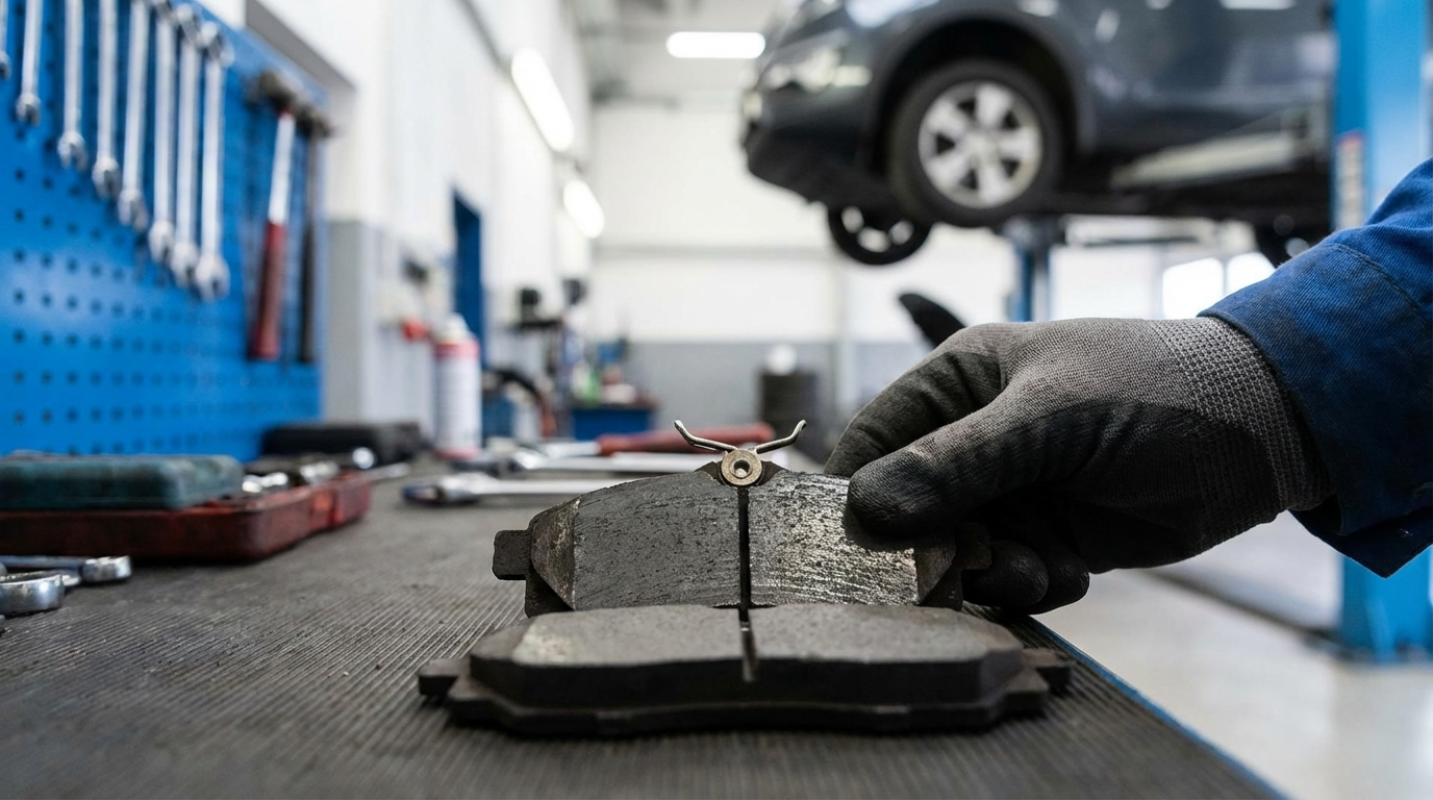
Brakes are another weird one. Because of regenerative braking, your actual brake pads might look brand new even at 100,000 miles. But do not let that fool you. In "salt belt" regions where roads are salted in winter, those brake calipers can seize up because they aren't being used enough. You need to have them cleaned and lubricated at least once a year.
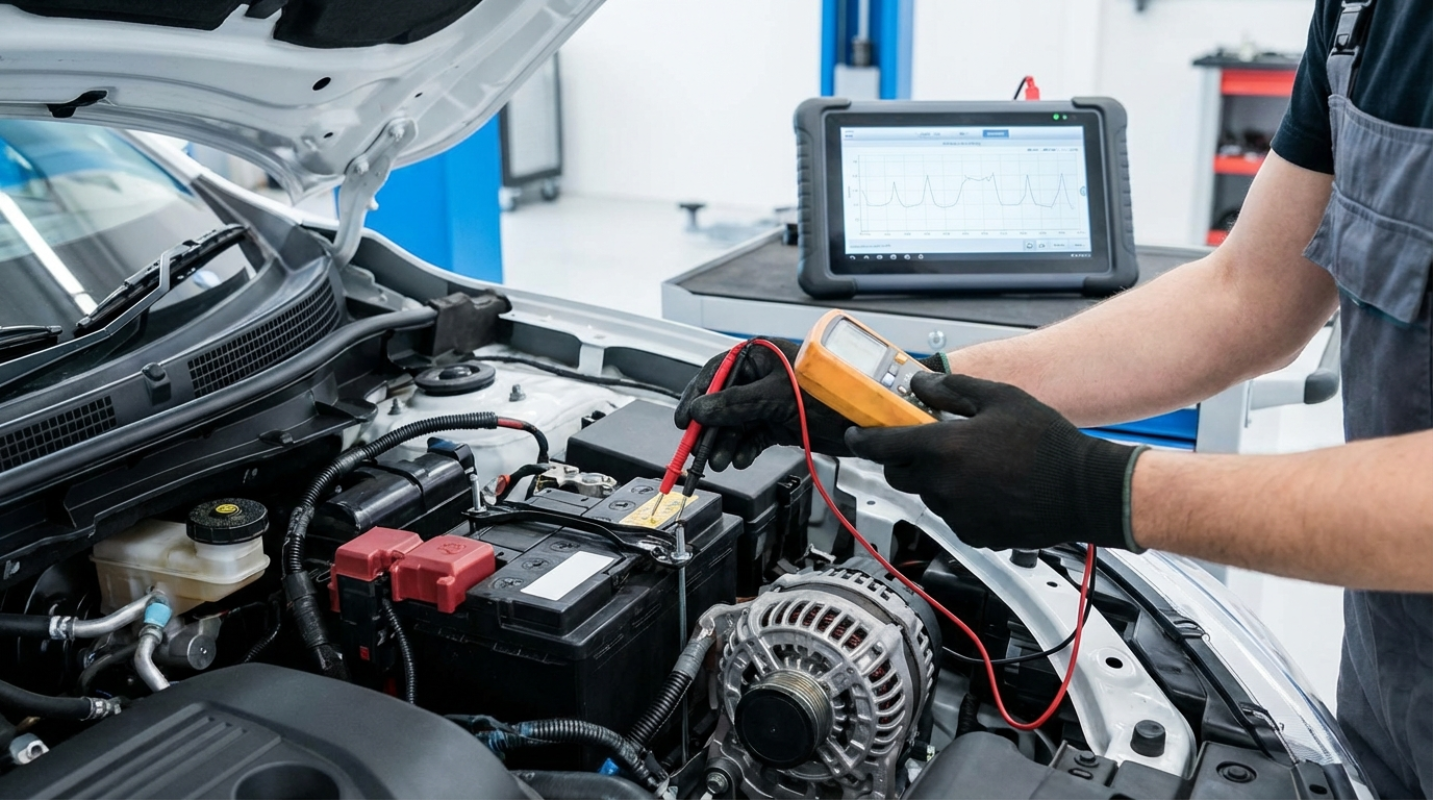
Then there is the 12V battery. This is the Achilles' heel of the EV world. Even though you have a massive high-voltage battery under the floor, your car still relies on a small lead-acid or lithium auxiliary battery to run the computers and lights. If this small battery dies, your car is a paperweight. At 100,000 miles, if you haven't replaced it yet, you are living on borrowed time. Just swap it out before it leaves you stranded in a parking lot.
Tier 2: The High-Mileage EV Battery Health Deep Dive
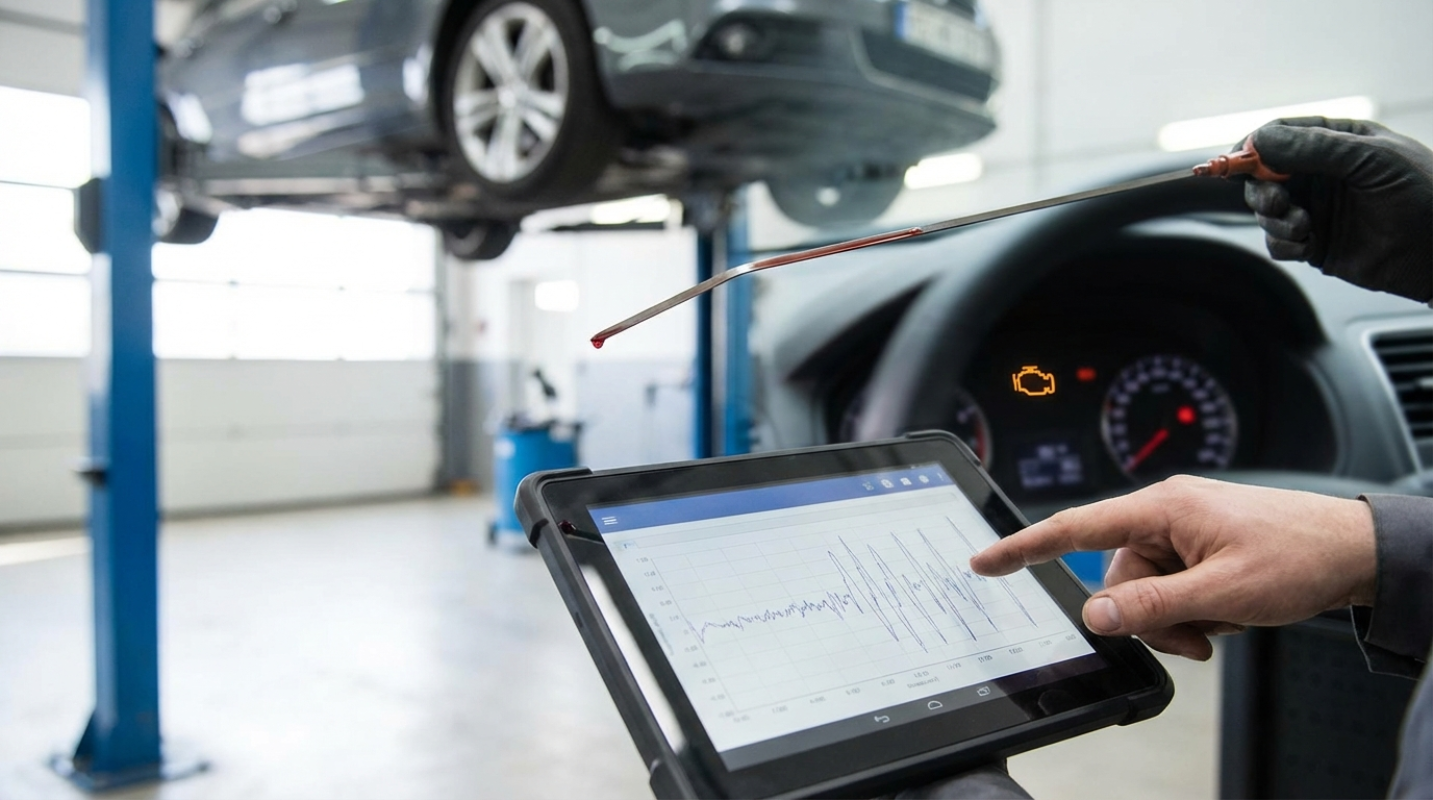
By the time you cross 100,000 miles, your battery has likely lost a bit of its original punch. On average, liquid-cooled batteries in 2026 are retaining about 87% to 92% of their original capacity at this milestone.¹ So what does this actually mean for you? It means you need to start paying attention to your State of Health (SoH) data.
You can use OBD-II scanners or independent tools to get a health score for your battery. This is the digital equivalent of a compression test on an old gas engine. It tells you exactly how much "fuel tank" you have left. If you are driving a car with an NMC battery (Nickel Manganese Cobalt), keep your daily charge limit to 80%. If you have an LFP (Lithium Iron Phosphate) battery, which is common in many standard-range models now, you should actually charge it to 100% once a week to keep the battery management system calibrated.
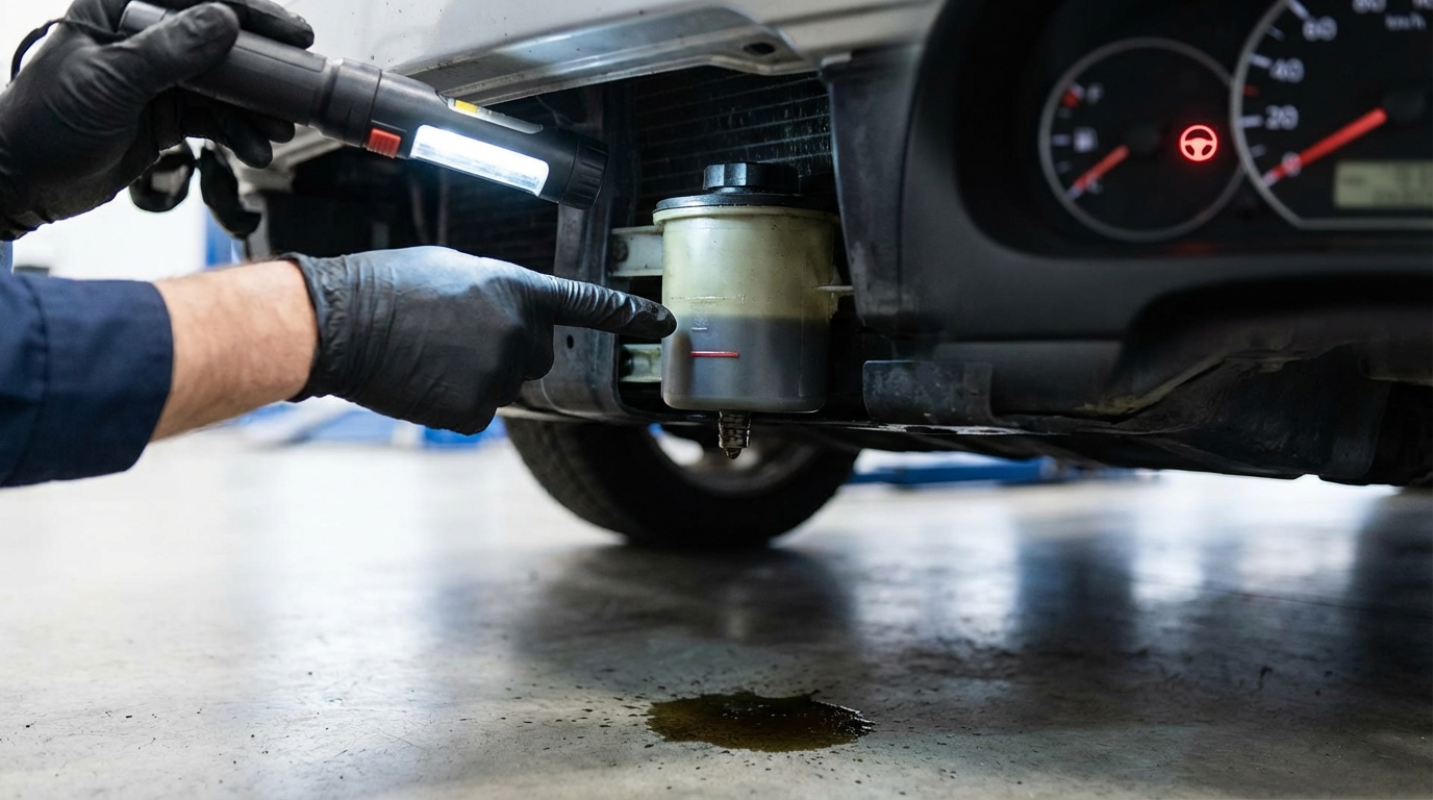
The cooling system is the most misunderstood part of EV ownership. Your battery needs to stay in a specific temperature range to survive. Some brands like Tesla claim their coolant is "lifetime," but many independent mechanics disagree. Over time, coolant can become acidic or even slightly conductive. This can trigger "isolation faults" that are a nightmare to diagnose.
Hyundai and Kia recommend a coolant flush every 35,000 to 60,000 miles for their newer models. Ford says you can go 200,000 miles. My advice? If you are at 100,000 miles and plan to keep the car, just flush the system. It is cheap insurance against a battery failure that could cost you $15,000 or more.
Tier 3: Powertrain and Wear Component Inspection
We often talk about EVs having fewer moving parts, which is true. There are about 20 moving parts in an EV powertrain compared to 2,000 in a gas car. But those 20 parts are under a lot of stress. Specifically, the reduction gear (the single-speed transmission) needs love.
Many manufacturers call the gearbox oil a "lifetime" fluid. But specialized EV shops are finding metal shavings in the oil of high-mileage drive units.³ Spending $200 to drain and refill that gear oil at 100,000 miles is a smart move. It can prevent a total drive unit failure that would cost thousands.
Suspension is another area where the extra weight of an EV shows its face. Control arm bushings, struts, and shocks take a beating. If you hear a clunking sound when you go over a speed bump, your car is telling you that its joints are tired. At 100,000 miles, a full suspension inspection is mandatory.
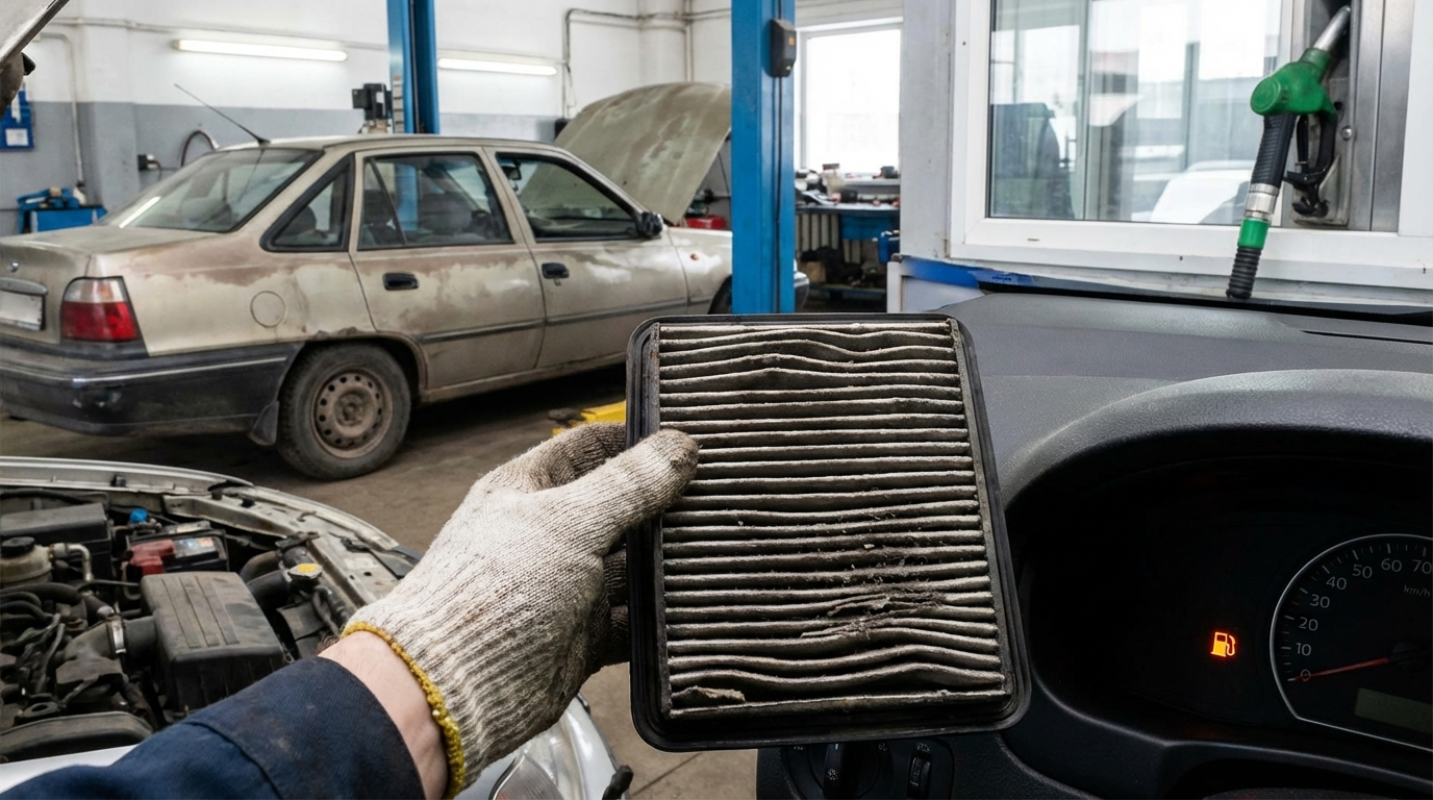
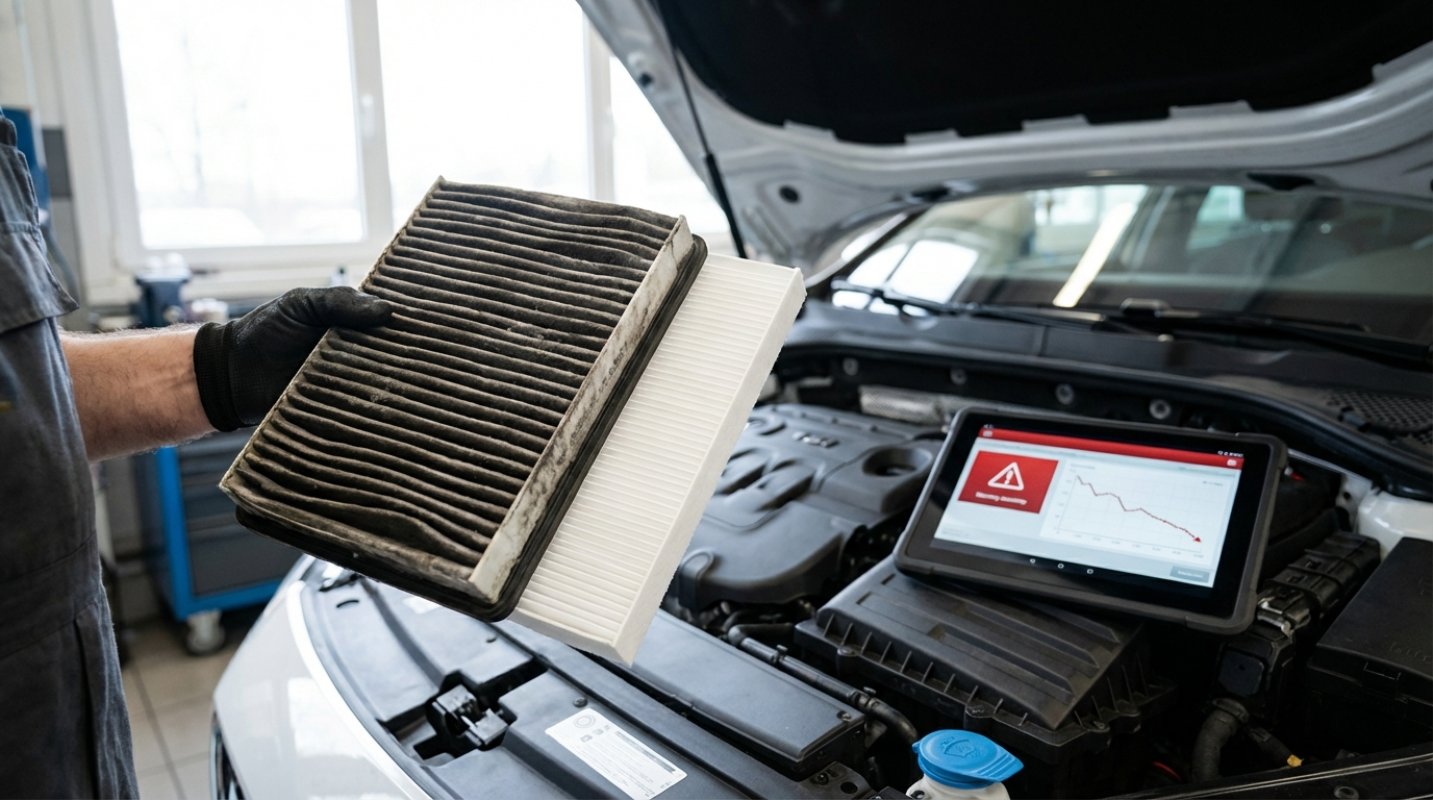
Do not forget the cabin air filter either. It sounds like a minor thing, but in modern EVs, the HVAC system is tied directly to the battery's thermal management. If your filters are clogged, your AC has to work harder, which pulls more power from the battery and can even affect how well the car cools itself during a fast-charging session.
Creating Your Custom Maintenance Timeline
So, how do you balance what the manual says versus what is actually happening to your car? Most manuals are written to make the car look cheap to own for the first three years. They aren't necessarily written to help the car last fifteen years.
If you drive in extreme heat or do a lot of heavy towing, you need to accelerate these schedules. A Tesla driven in the Arizona desert is going to need cooling system attention much sooner than one driven in a mild climate.
- Every 7,500 miles - Rotate your tires and check the alignment. This is the single best way to save money.
- Every 2 years - Test your brake fluid for moisture and replace the cabin filters.
- At 100,000 miles - Perform a battery State of Health test, flush the coolant, and change the reduction gear oil.
- Every 4 years - Replace the 12V auxiliary battery regardless of how it feels.
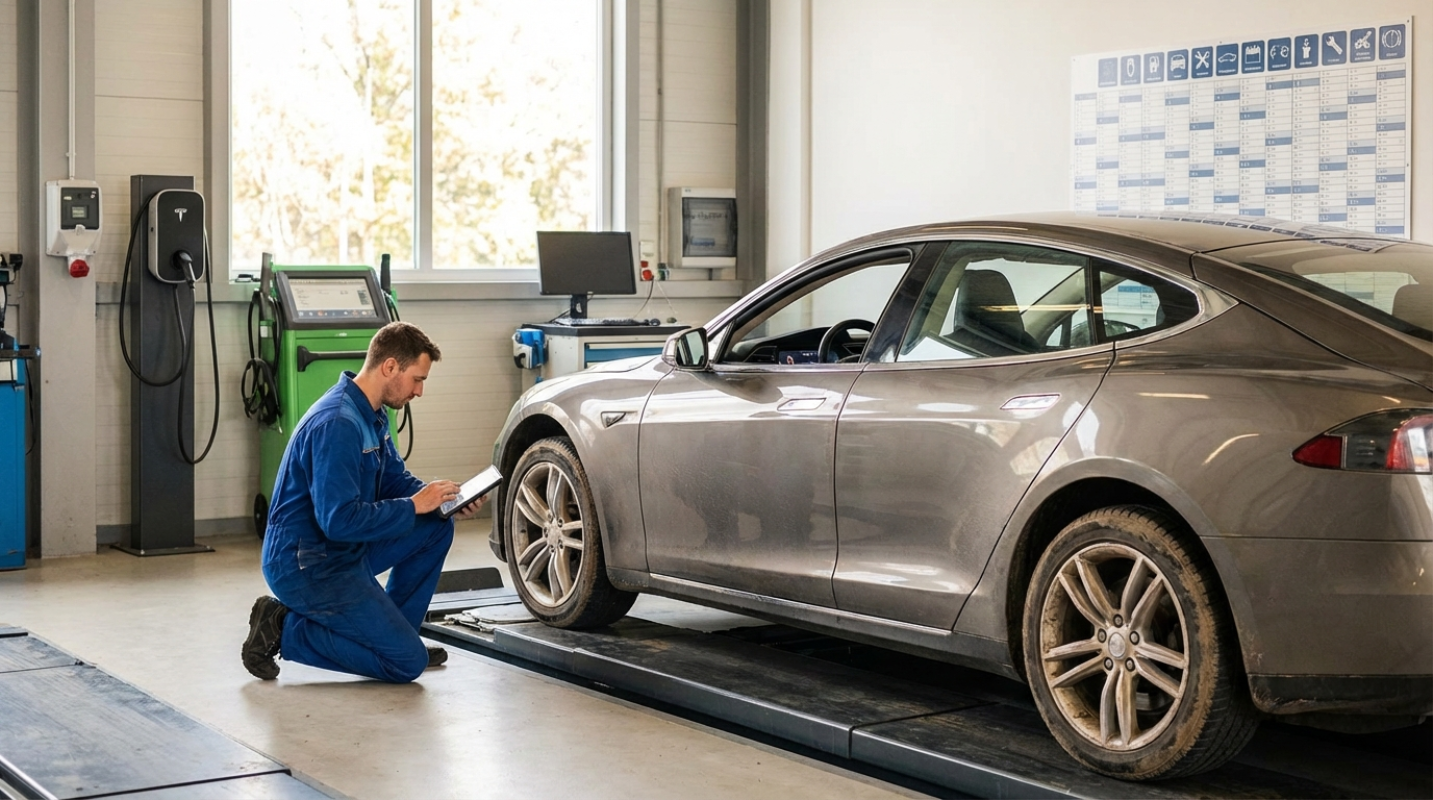
You might be wondering if you should go to the dealership or an independent specialist. Although dealerships have the official software, independent EV specialists are often more willing to do "preventative" work like gearbox oil changes that a dealer might refuse because the manual says it is not necessary.²
At the end of the day, the ROI of preventative maintenance on an EV is massive. You are trading a few hundred dollars in fluids and filters for the peace of mind that your five-figure battery pack will keep humming along. Treat the car well at the 100k mark, and it will likely reward you with another 100k of silent, effortless driving.
Sources:
1. EV Battery Life and Replacement Costs
2. Tesla Maintenance Guide Model Y and Model 3
This article on aidriv.com is for informational and educational purposes only. Readers are encouraged to consult qualified professionals and verify details with official sources before making decisions. This content does not constitute professional advice.