 (Image source: Gemini / Landon Phillips)
 You’ve probably heard it before. That tiny, high pitched chirp as you pull into your driveway or slow down for a red light. It’s easy to ignore, especially when your 2026 model car feels like a rolling computer that should tell you exactly when something is wrong. But here’s the reality. Most drivers still ignore the earliest warning signs of brake failure until a simple maintenance task turns into an expensive repair bill.
Modern braking systems are incredibly reliable, but they still rely on friction. That friction eventually wins. As we move further into an era of heavier electric vehicles and advanced driver assistance systems, your brakes are working harder than they ever have. They aren't just stopping the car anymore. They're managing torque and helping with lane stability.
This article is here to demystify the three main types of wear indicators that drivers frequently overlook. Understanding these signs isn't just about saving money. It's about making sure your car actually stops when you need it to.
The Auditory Alarm - Misinterpreting the Squeal vs. the Grind
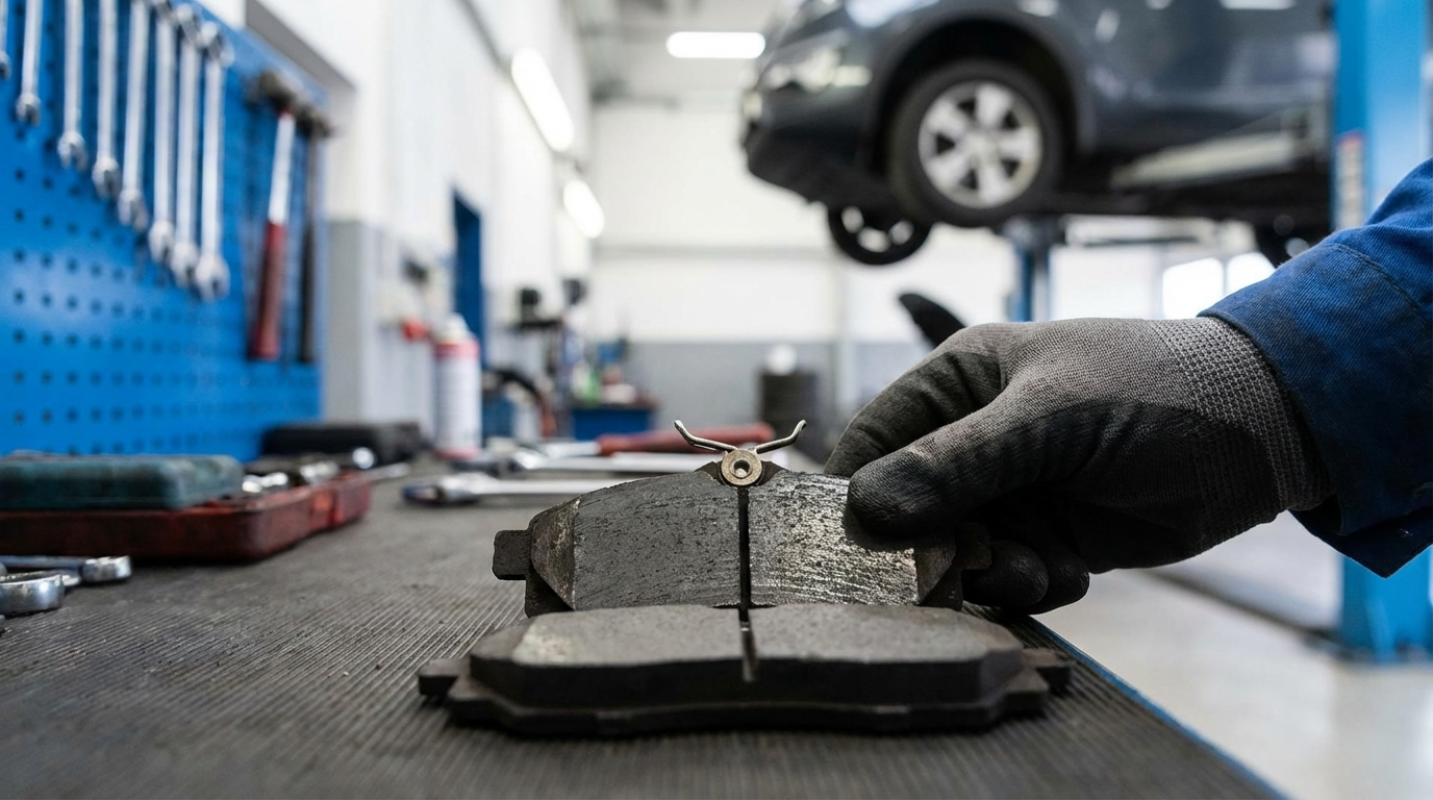
Most people think any noise from the wheels is a bad sign. Although that’s generally true, not all noises are created equal. Your brake pads are likely equipped with a small, clever piece of metal known as a "squealer" tab. This is a physical wear indicator designed to make a racket once the pad material gets thin.
When your pads reach about 10 to 15 percent of their remaining life, this metal tab starts to touch the rotor.² It creates a consistent, high pitched screech. You’ll notice it most when you aren't even pressing the brake pedal. It sounds counterintuitive, right? But that’s the point. It’s a warning that says you have roughly 500 to 1,000 miles of safe driving left before things get dicey.
Don't confuse this with the light, intermittent squeal you might hear on a damp morning. Moisture or a bit of surface rust can cause a temporary "bedding" noise that goes away after a few stops. The indicator noise is different. It’s persistent. It’s annoying. And it’s meant to be.
The real trouble starts when that squeal stops and turns into a deep, metallic grinding. This is the sound of metal-on-metal contact. It means your friction material is completely gone and the steel backing plate of the pad is chewing into your rotor. If you hear this, you’re in the emergency zone. Your stopping distance has just skyrocketed, and you're actively destroying your braking system.³
Visual Clues - Checking the Unseen Parts
You don't need to be a mechanic or even take the wheels off to get a good look at your brakes. Most of today's alloy wheels have wide enough spokes that you can peek right through them with a flashlight. What are you looking for? You want to see the thickness of the pad pressed against the shiny metal rotor.
A good rule of thumb is the quarter-inch rule. If the pad looks thinner than 1/4 inch, which is about 6mm, you should start thinking about a trip to the shop. Once it hits 3mm, or about 1/8 inch, you’ve reached the "yellow zone."⁴ This is where braking performance starts to dip, especially when the roads are slick.
Many high quality pads now include a vertical groove in the center of the friction material. Think of this like the wear bars on your tires. When that groove is nearly flush with the rest of the pad, you’ve reached the service limit. It’s a simple visual cue that many people miss because they don't know it exists.
Although you're looking, check the rotors for scoring. These are deep circular grooves that look like the rings on a vinyl record. If you see these, it usually means a piece of debris got caught or the pads have worn unevenly. Uneven wear is a huge red flag. It often means a caliper is sticking, which will wear out your new pads twice as fast if you don't fix the underlying issue.
Electronic Warning Lights - Decoding the Dashboard Mystery
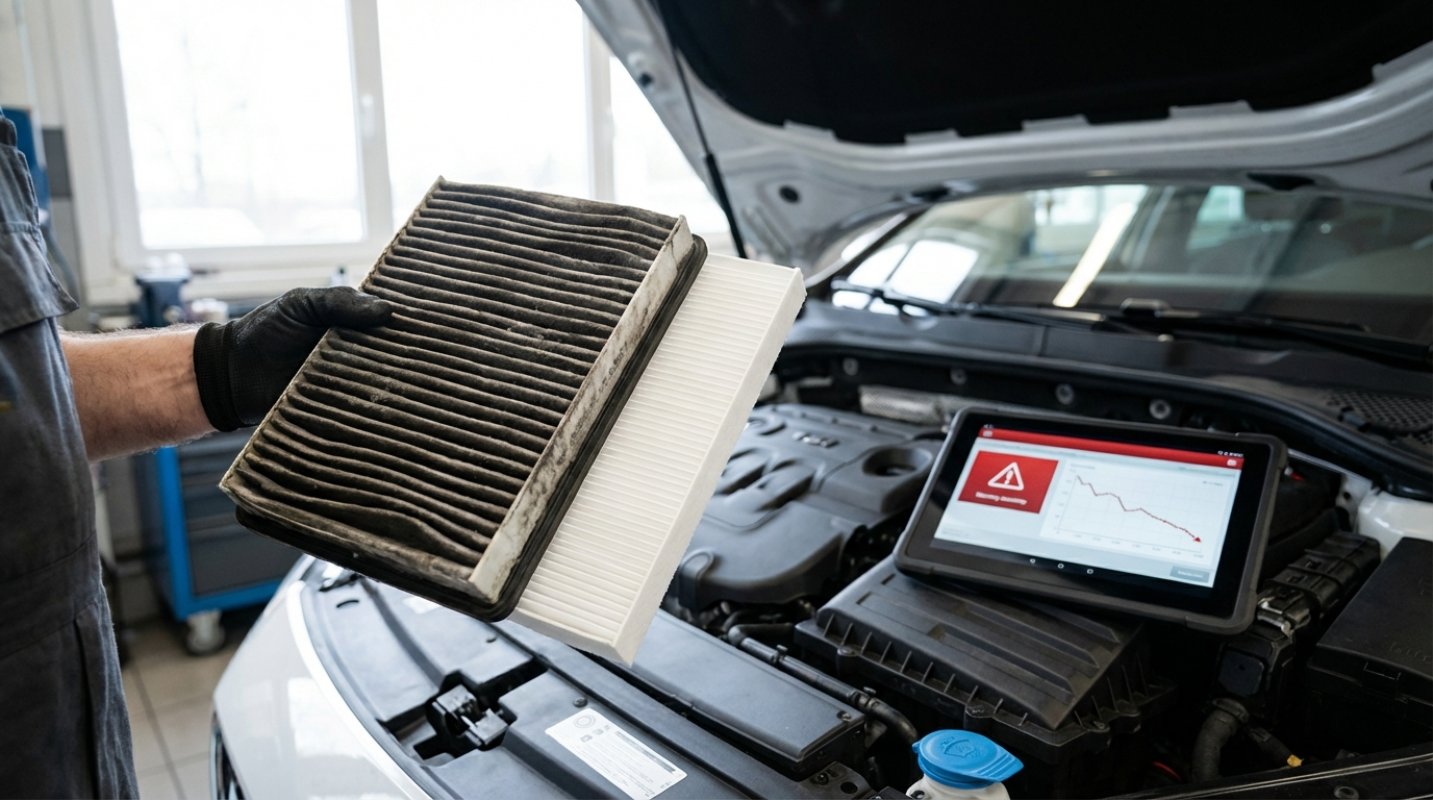
If you’re driving a European car or a newer domestic model, you might have electronic brake wear sensors. These are the digital equivalent of a tripwire. These sensors are embedded into the pad material itself. When the pad wears down to a specific point, usually between 2mm and 3mm, the sensor makes contact with the rotor and completes an electrical circuit.⁷
This triggers a light on your dashboard. It usually looks like a circle surrounded by dashed lines. The interesting thing about these sensors is that they’re often designed to stay off until the situation is important. Manufacturers do this because they don't want to annoy you with "early" warnings, but it means you shouldn't wait once that light pops up.
In 2026, we’re seeing more two-stage sensors. The first stage triggers around 50 percent wear, allowing the car’s computer to estimate exactly how many miles you have left based on how hard you drive. The second stage is the "replace now" warning.
One thing drivers always miss: these sensors are sacrificial. Once that light comes on, the sensor has been physically ground down and destroyed. You can't just put in new pads and expect the light to go out. You have to replace the sensor too. It’s a small extra cost, but it’s the only way to keep the system working.
Beyond the Pad - Related Wear Signs You Should Not Ignore
Sometimes the indicators aren't something you see or hear. They’re something you feel. Have you ever felt the brake pedal get "spongy" or soft? As your pads get thinner, the pistons in your calipers have to travel further to push the pads against the rotor. This can lead to a pedal that feels lower than it used to be.⁹
Then there’s the dreaded vibration. If your steering wheel shakes or the brake pedal pulses when you slow down, you likely have warped rotors. This is often caused by excessive heat. Thinner pads can't dissipate heat as well as thick ones, which leads to the rotors getting too hot and losing their shape.
Ignoring these signs is a recipe for a massive repair bill. A simple pad swap is relatively cheap. But if you wait until the rotors are ruined or the calipers are damaged from overextending, you’re looking at triple the cost. It’s like ignoring a small leak in your roof until the whole ceiling collapses.
Taking Control of Your Braking Health
Maintaining your brakes isn't just a chore. It’s one of the most important things you can do for your safety. We’ve looked at the three big ways your car tries to talk to you: the high pitched squeal of the mechanical tab, the visual thickness of the pads, and the electronic sensors on your dashboard.
The best advice? Don't wait for a warning light or a screeching sound. Make it a habit to check your pad thickness every time you rotate your tires or every six months. If you notice your car pulling to one side or the pedal feeling a bit "off," get it checked out immediately.
Safety should always come before a minor inconvenience. Your brakes are the only thing standing between a controlled stop and a very bad day. Take a second today to peek through your wheel spokes. Your wallet, and your passengers, will thank you.
Sources:
1. Signs You Need New Brake Pads
2. What are Brake Wear Indicators
3. 5 Signs You Need New Brake Pads
5. Brake Pad Wear Sensors 3 Types
This article on aidriv.com is for informational and educational purposes only. Readers are encouraged to consult qualified professionals and verify details with official sources before making decisions. This content does not constitute professional advice.