 (Image source: Gemini / Landon Phillips)
 You are driving home after a long day, the radio is playing your favorite song, and suddenly, a little orange engine-shaped icon pops up on your dash. What do you do? If you are like nearly half of the drivers on the road today, you might just ignore it. Maybe you tell yourself you will look at it over the weekend, or perhaps you hope it will just go away on its own. It is the digital equivalent of hearing a weird noise in the basement and just turning up the TV.
The reality is that these lights are the silent sentinels of your vehicle. They are not there to annoy you or ruin your day, even if it feels that way. They are your car's only way of telling you that something is wrong before it becomes a catastrophic (and expensive) disaster. Recent data from 2024 and 2025 shows that nearly 49 percent of U.S. drivers currently have at least one dashboard warning light illuminated.¹
So why do we ignore them? For many, it is a mix of repair anxiety and a lack of technical understanding. In fact, a staggering 96 percent of drivers cannot accurately identify every symbol on their dashboard.² Ignoring these indicators leads to more than just a trip to the mechanic. It leads to safety hazards, reduced vehicle lifespan, and a serious hit to your bank account.
The Manageable Misconceptions Drivers Often Defer
There are a few lights that drivers seem to treat as suggestions rather than warnings. These are the "manageable" ones, the lights that stay on for weeks while you go about your business. The most common offender is the Tire Pressure Monitoring System (TPMS). About 22 percent of drivers admit to ignoring this little horseshoe-shaped light.²
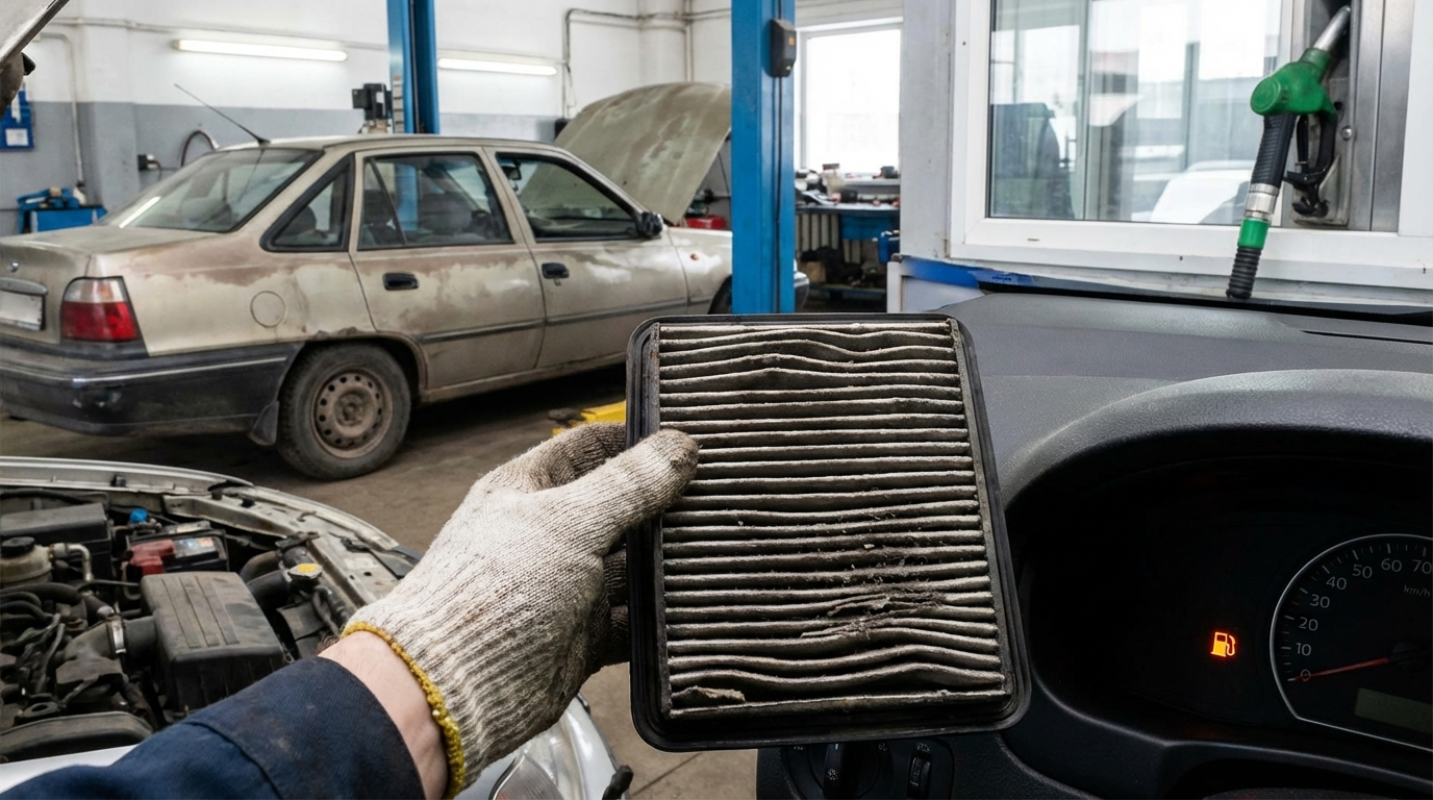
You might think a slightly soft tire is just a minor inconvenience. But by the time that light triggers, your tire is usually at least 25 percent below the recommended pressure. This does not just hurt your fuel economy, though it can drop your gas mileage by about 3 percent. It also ruins your car's handling and increases your stopping distance. In 2026, with the cost of tires continuing to rise, driving on low pressure is a "slow financial bleed" that eats through your tread life.
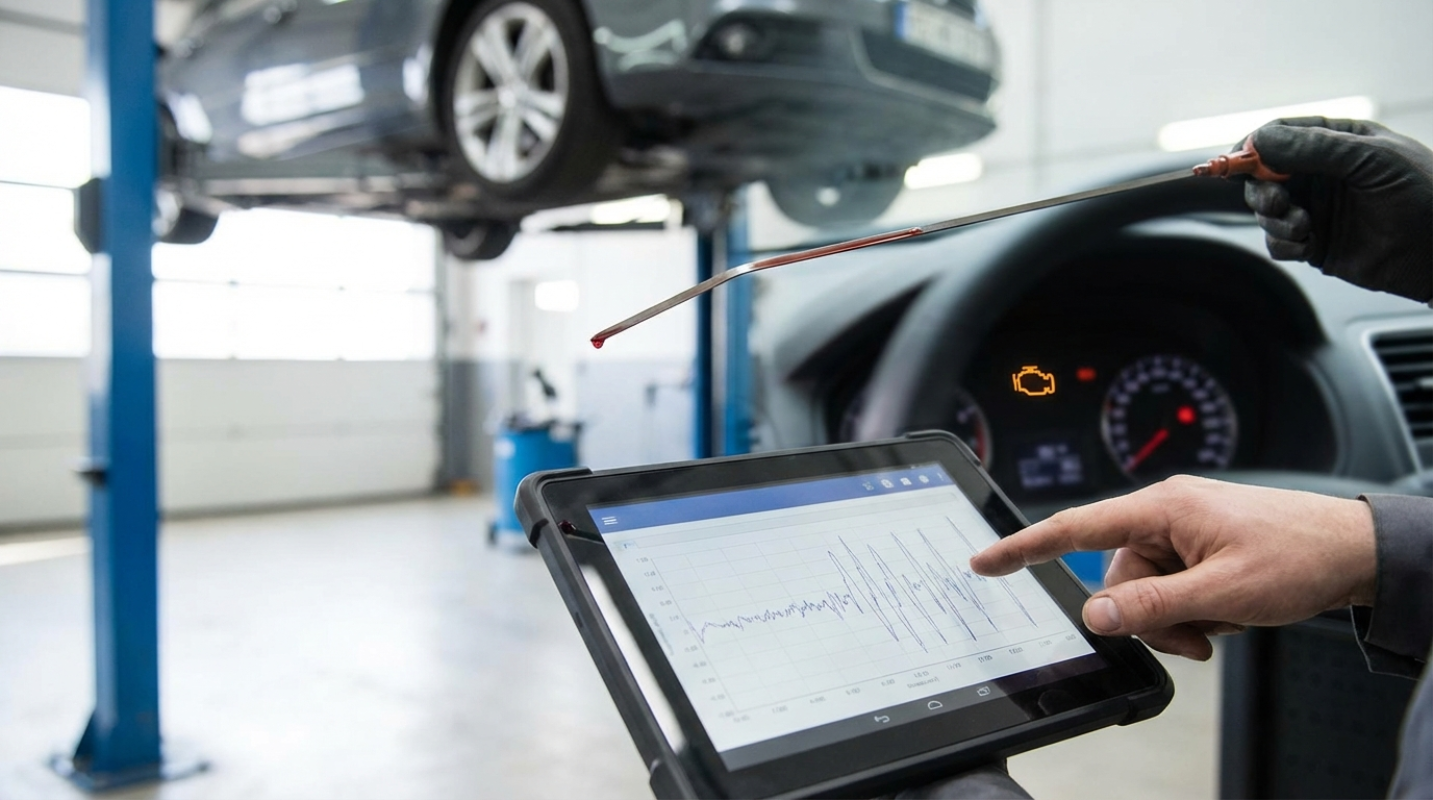
Then there is the Check Engine Light (CEL). This is the most ambiguous threat on your dashboard. About 20 percent of drivers ignore it because the car feels fine.² But here is a trick the pros know. Is the light steady or is it flashing? A steady light means you need to get it checked soon, likely for something like a faulty O2 sensor. If you ignore a faulty sensor, your fuel economy can drop by 40 percent, and you risk melting your catalytic converter, which can cost over 2,000 dollars to fix in today's market.⁴
Finally, we have the low washer fluid light. It is easy to ignore until you are driving behind a salt-spreading truck or through a muddy construction zone. Suddenly, your visibility is zero, and you are frantically pulling the lever for fluid that is not there. It is a small thing until it becomes a big safety problem.
Safety First and Important Lights That Demand Immediate Attention
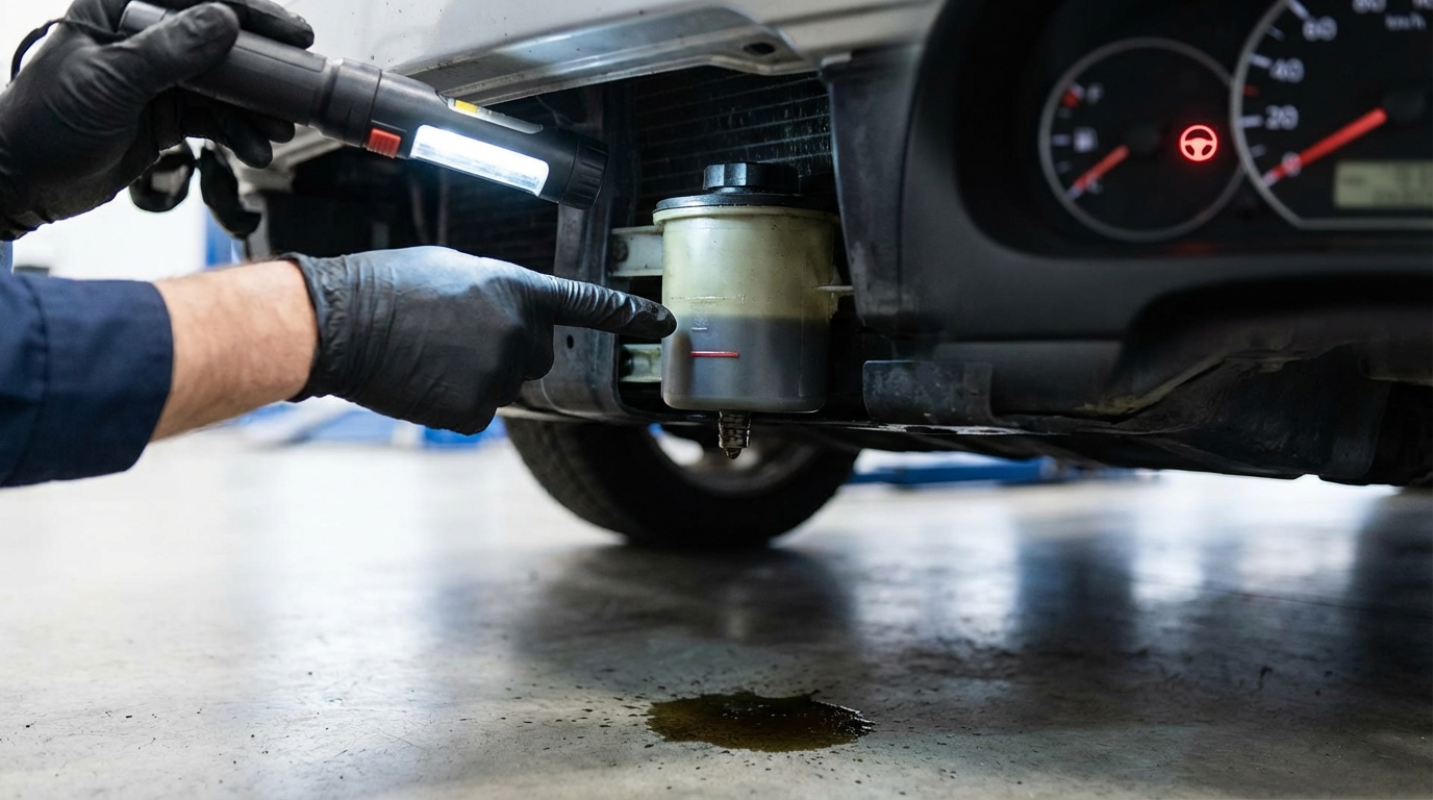
Although some lights give you a few days of grace, others are the automotive equivalent of a heart attack. If you see a red light, it is an emergency. The Brake System Warning Light is one of the most misunderstood. Is it just the parking brake? Maybe. But it could also mean your brake fluid is dangerously low or your hydraulic system is failing. If that light is on and your parking brake is off, you should not be driving.
The Oil Pressure Warning Light is another "stop immediately" signal. Think of oil as the blood of your engine. When that little red oil can appears, it means there is not enough pressure to keep the metal parts from grinding against each other. If you keep driving for even a few minutes, you can destroy your entire engine. It is the difference between a 100 dollar sensor fix and a 6,000 dollar engine replacement.
Then there is the Temperature Warning Light. If your engine is overheating, you are on the clock. Continuing to drive while the needle is in the red can warp your engine block or blow a head gasket. If you see this light, pull over safely and turn the car off. Do not try to be a hero and "make it home." The cost of a tow is nothing compared to the cost of a new car.
Expert advice from 2025 and 2026 emphasizes that any flashing light, especially the Check Engine Light, is a dire warning. A flashing CEL usually indicates a severe engine misfire. This is not just a performance issue. It is actively destroying your exhaust system while you drive.
The Electrical and System Alerts, Understanding Modern Vehicle Complexities
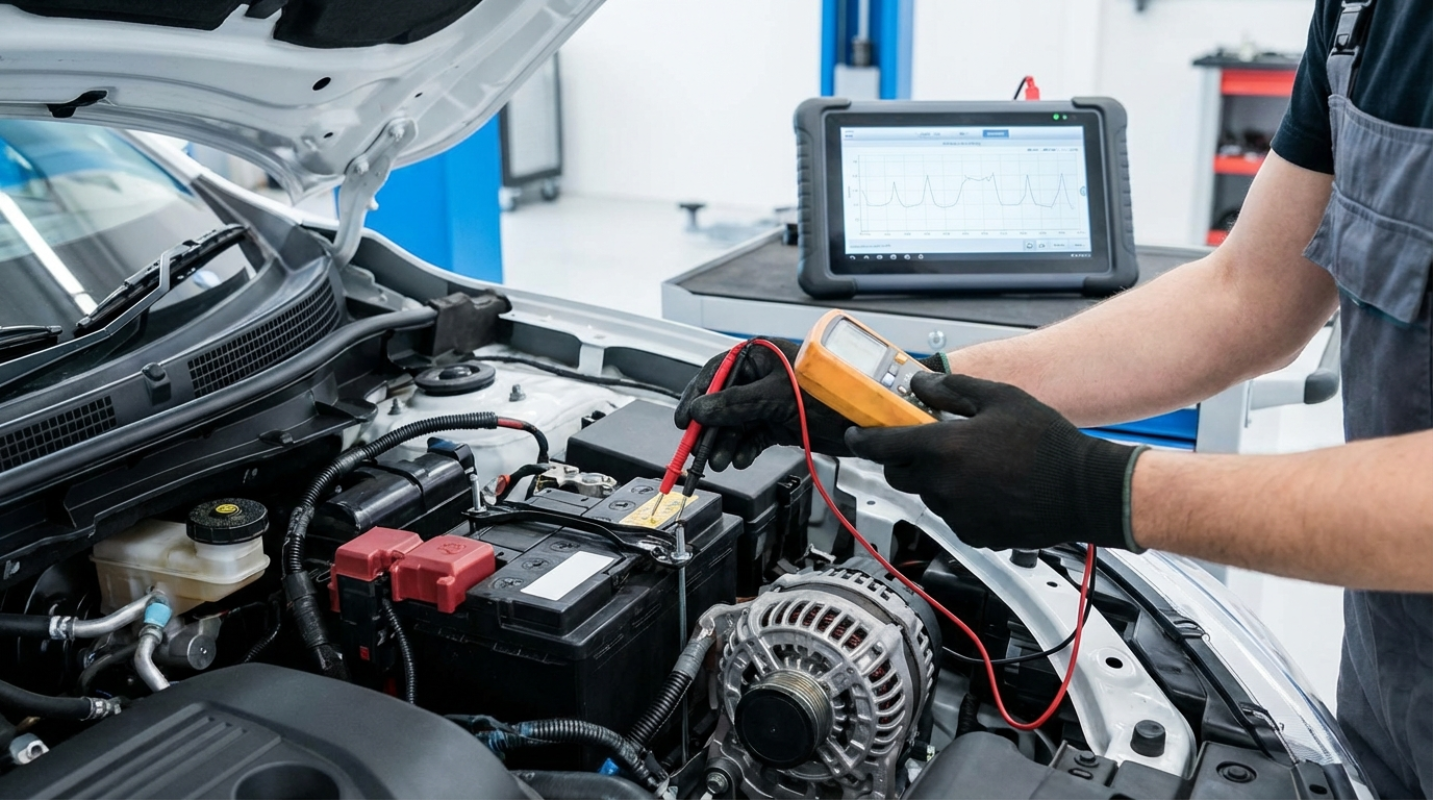
Modern cars are computers on wheels, and their electrical systems are incredibly complex. The Battery or Charging System Light is a classic example of a misunderstood alert. Most people see the battery icon and assume they just need a new battery. In reality, this light often points to a failing alternator.
If the alternator stops charging the system, your car is running on a finite amount of battery power. You might have 20 minutes of driving left before the engine stalls, the lights dim, and your power steering fails. If this light pops up, turn off the radio, the AC, and any chargers, and get to a shop immediately.
We also see the ABS and Traction Control lights ignored quite often. These systems are what keep you from spinning out on a rainy curve or sliding into an intersection during an emergency stop. If these lights are on, your basic brakes will still work, but your safety net is gone. You are driving a vehicle from the 1970s without the modern stability we all rely on.
One of the most dangerous lights to ignore is the Airbag or SRS Light. Drivers often think, "Well, I don't plan on getting into a crash today." But if that light is on, it means the system has detected a fault and the airbags might not deploy at all. It is a silent failure of the most important safety feature in your cabin.
Expert Takeaways, Diagnosis and Best Practices
So, what should you do when the dashboard starts glowing? The first step is the one everyone skips. Read your owner's manual. It is usually sitting in the glove box, and it contains the exact "language" your car uses to talk to you. Not every car uses the same symbols, and knowing the difference between a yellow "service soon" and a red "stop now" matters.
If you have a Check Engine Light, you do not always have to go straight to a dealer. Many auto parts stores will plug in an OBD-II reader for free and tell you the code. This gives you the power to know if you are looking at a loose gas cap or a failing transmission before you ever talk to a mechanic.
Top Recommendations
Preventative maintenance is the best way to keep these lights from ever appearing. Regular fluid checks and tire rotations are boring, but they are the best insurance policy you can have. Drivers who wait an average of 10 days to seek repairs usually end up paying significantly more than those who act within the first 48 hours.⁵
Transforming Warning Lights from Annoyances to Allies
It is easy to view a dashboard light as a personal attack on your schedule or your budget. But if you change your perspective, you will see that these lights are actually trying to save you money. They are early warning systems designed to catch a small problem before it evolves into a catastrophic failure.
The "Big Two" of the TPMS and the Check Engine Light continue to be the most neglected alerts on the road in 2026. Whether it is because of repair anxiety or just a busy schedule, ignoring them is a gamble where the house always wins. By the time the car "feels" broken, the repair bill has usually doubled or tripled.
Next time a light appears on your dash, don't wait. Investigate. Check your tire pressure, tighten your gas cap, or call your mechanic. Your car is talking to you. The question is, are you actually listening? Being a proactive owner does not just keep your car on the road longer. It keeps you and your family safer every time you turn the key.
Sources:
1. kbb.com - Study: Nearly Half of US Drive With Warning Light On
2. CarMD - Survey on Dashboard Warning Light Habits
3. Green Flag - Do You Know Your Dashboard Warning Signs?
4. CarMD - Check Engine Related Car Repair Costs Up Across the US
5. Warrantywise - Drivers in the Dark When Identifying Dashboard Lights
This article on aidriv.com is for informational and educational purposes only. Readers are encouraged to consult qualified professionals and verify details with official sources before making decisions. This content does not constitute professional advice.