 (Image source: Gemini / Landon Phillips)
 You are standing at the gas pump, watching the digital readout spin faster than a slot machine in Vegas. It is a familiar sting, right? You might find yourself blaming the global economy or the latest geopolitical flare-up for the price per gallon. But here is a reality check that is a bit harder to swallow. The biggest drain on your fuel budget might be sitting right in your driveway.
Maintenance neglect is the silent thief of the automotive world. It does not always announce itself with a cloud of smoke or a loud bang. Instead, it nibbles away at your efficiency, one percentage point at a time. By the time you notice your car feels a bit sluggish, you have probably already wasted hundreds of dollars at the pump. This is not just about keeping your car "nice." It is about the direct, quantifiable link between a neglected service schedule and the hole in your wallet.
We are going to look at the systems that actually dictate how much fuel you burn. From the air your engine breathes to the pressure in your tires, every neglected task has a price tag. If you want to stop overpaying for every mile you drive, you need to understand how these maintenance lapses add up.
The Tire Tangle: Pressure, Alignment, and Rolling Resistance
Think of your tires like a pair of running shoes. If they are properly inflated and fitted, you move with ease. If they are flat and floppy, you have to work twice as hard to cover the same distance. Your car feels the same way. Most drivers treat tire pressure as a "set it and forget it" task, but tires are actually porous. They naturally lose about 1 to 1.5 PSI every single month.
So what does this actually mean for your fuel bill? According to the latest data from the Department of Energy, for every 1 PSI drop in the average pressure of all four tires, your gas mileage decreases by 0.2%.¹ That sounds small, right? But consider the TPMS gap. Most Tire Pressure Monitoring Systems only alert you when your pressure is 25% below the recommendation. By the time that little light pops up on your dashboard, you are already suffering a 2% to 3% fuel penalty.
In 2026, we are seeing even more extreme cases. A recent study found that tires at 50% of their recommended pressure can slash your fuel economy by 10% in city driving. Even if you are not that negligent, a simple cold snap can ruin your efficiency. For every 10 degree drop in outdoor temperature, your tire pressure falls by about 1 PSI. If you do not adjust for the seasons, you are throwing money out the window.
It is not just about air, though. Poor wheel alignment and unbalanced tires create extra drag. When your wheels are fighting each other instead of pointing straight, your engine has to burn more fuel just to maintain speed. Experts recommend checking your pressure at least once a month with a high quality digital gauge (don't trust the rusty one at the gas station). It is the easiest $100 you will ever save in a year.
Engine Health: Filters, Fluids, and the Air Supply Chain
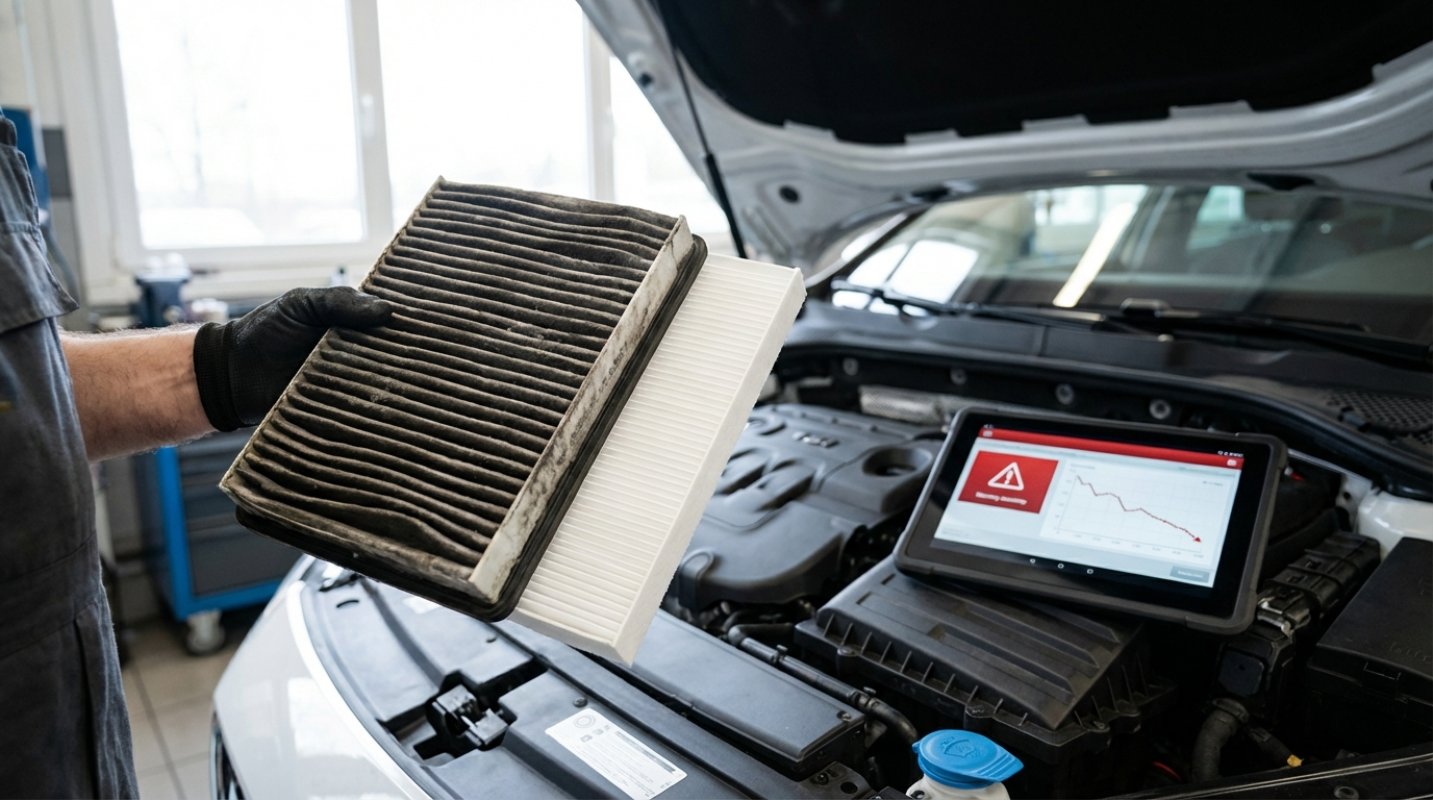
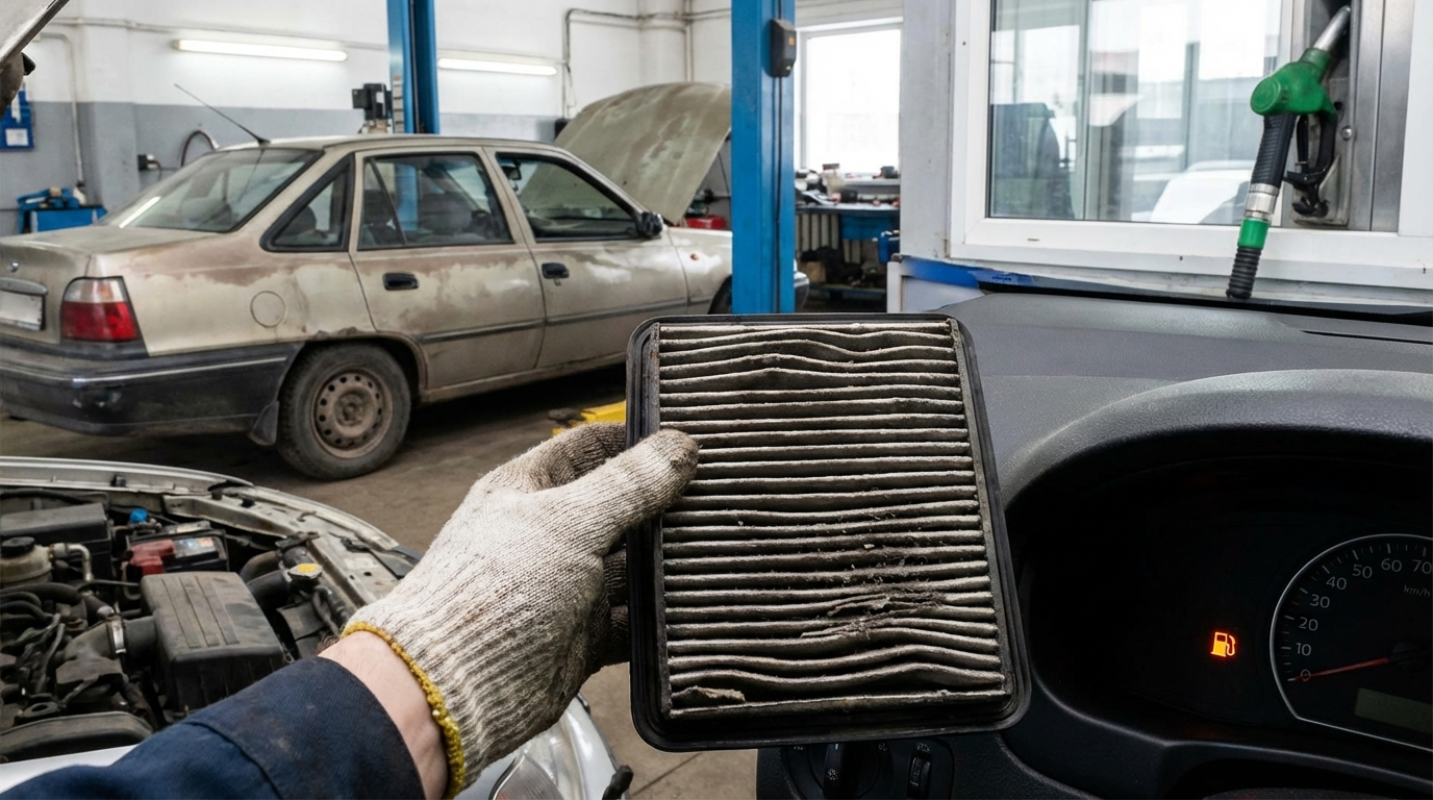
There is a long standing myth that a dirty air filter will destroy your gas mileage. If you are driving a carbureted car from the 1970s, that is absolutely true. But in 2026, your engine is controlled by a computer that is smarter than you might think. For modern fuel injected engines, a clogged air filter has almost no measurable effect on your MPG. The Engine Control Unit (ECU) simply adjusts the fuel mix to compensate for the lack of air.
But there is a catch. Although your MPG stays stable, your performance takes a massive hit. A clogged filter can reduce your acceleration by 6% to 11%. This creates an indirect fuel loss. You will find yourself pressing the gas pedal harder and longer to get up to highway speeds, which burns more fuel than a smooth, efficient climb. It is a psychological trap that costs you money.
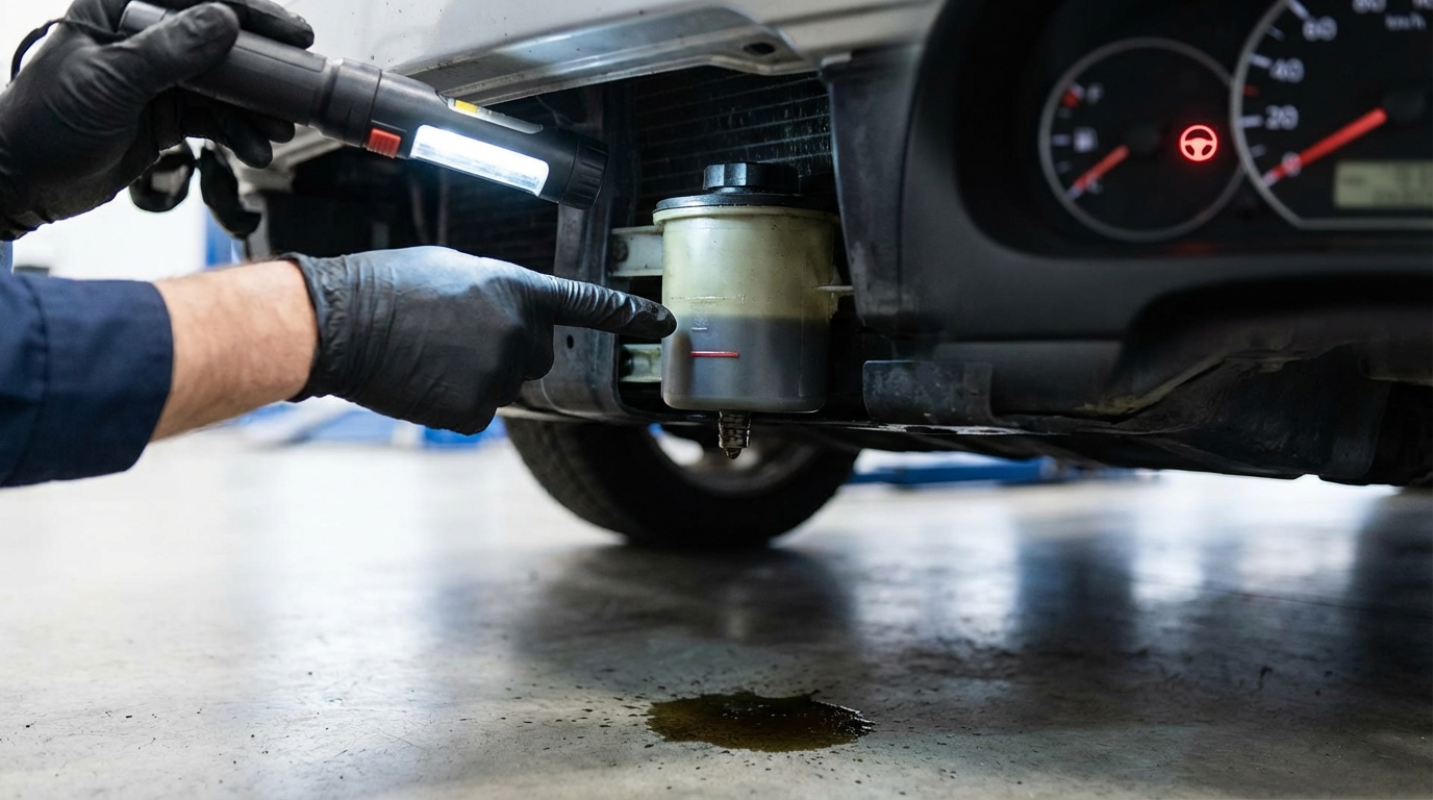
Then there is the oil. Using the wrong viscosity or letting your oil turn into sludge is a recipe for high friction. Think of it like trying to swim through honey instead of water. Your engine has to work harder to move its internal parts, and that extra work requires more fuel.
Do not forget the spark plugs. If they are fouled or worn, they can cause subtle misfires. You might not even feel them, but incomplete combustion means you are literally spitting unburned fuel out of your exhaust pipe. It is the digital equivalent of a leaky faucet, but with gasoline.
Sensor Sabotage and System Sluggishness
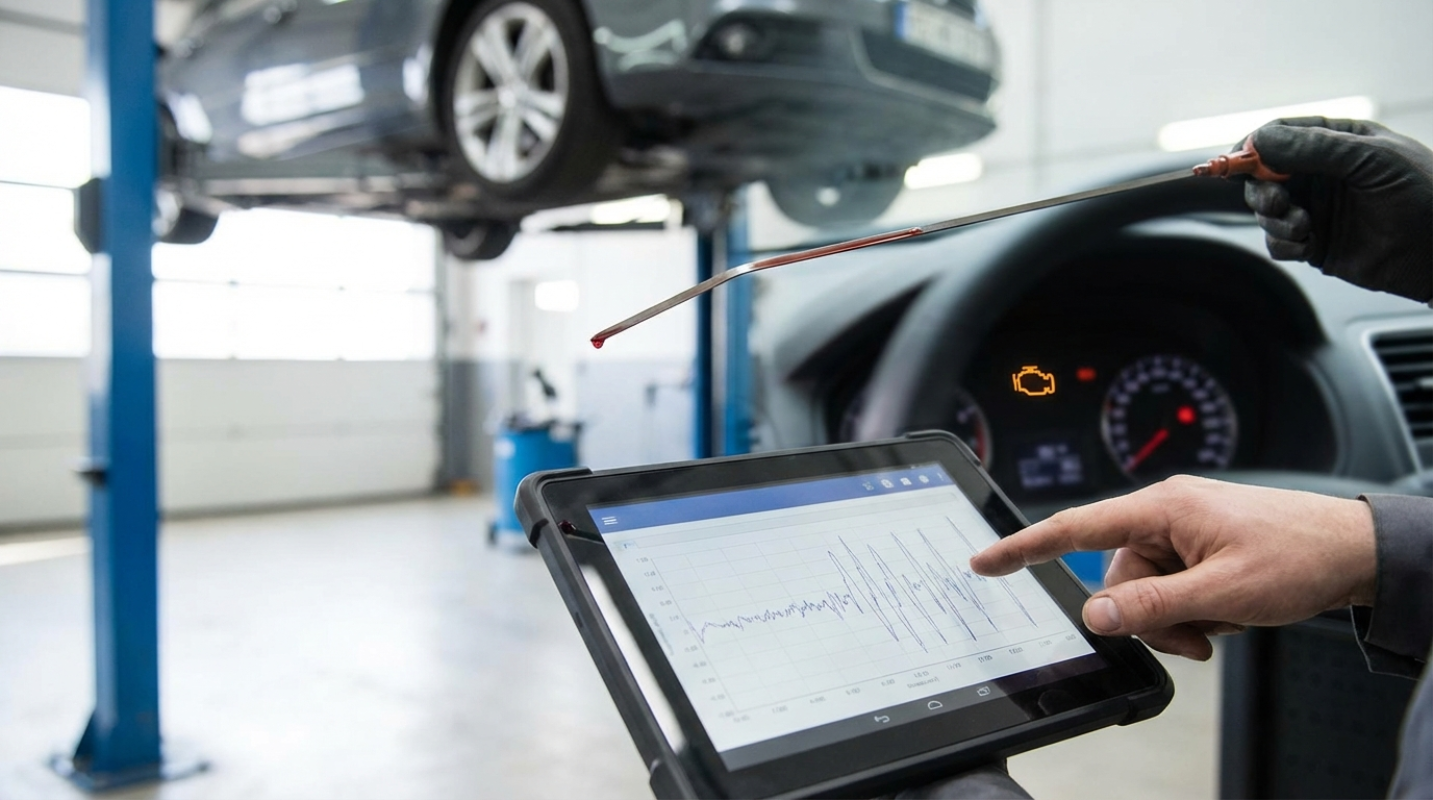
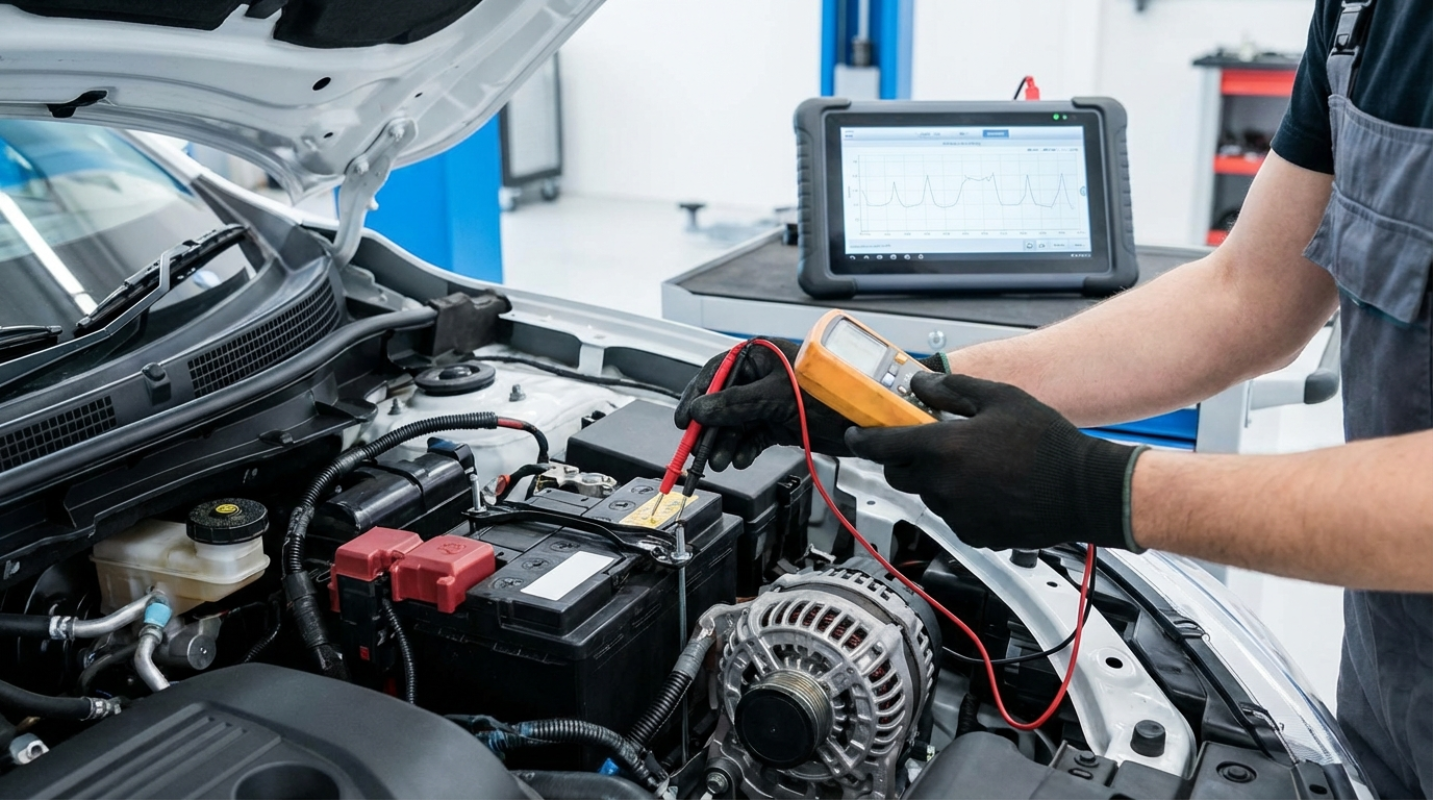
Your car relies on a network of sensors to tell the engine exactly how much fuel to spray into the cylinders. The most important player here is the Oxygen (O2) sensor. It monitors the exhaust and tells the computer if the engine is running "lean" or "rich." Over time, these sensors get coated in carbon and become sluggish.
When an O2 sensor fails to report accurately, the computer often defaults to a "rich" mixture as a safety precaution. This means it sprays more fuel than necessary just to make sure the engine doesn't overheat. This can drop your fuel economy by as much as 40% in extreme cases. If your "Check Engine" light is on for an O2 sensor and you are ignoring it, you are basically volunteering to pay a massive surcharge at every gas station.
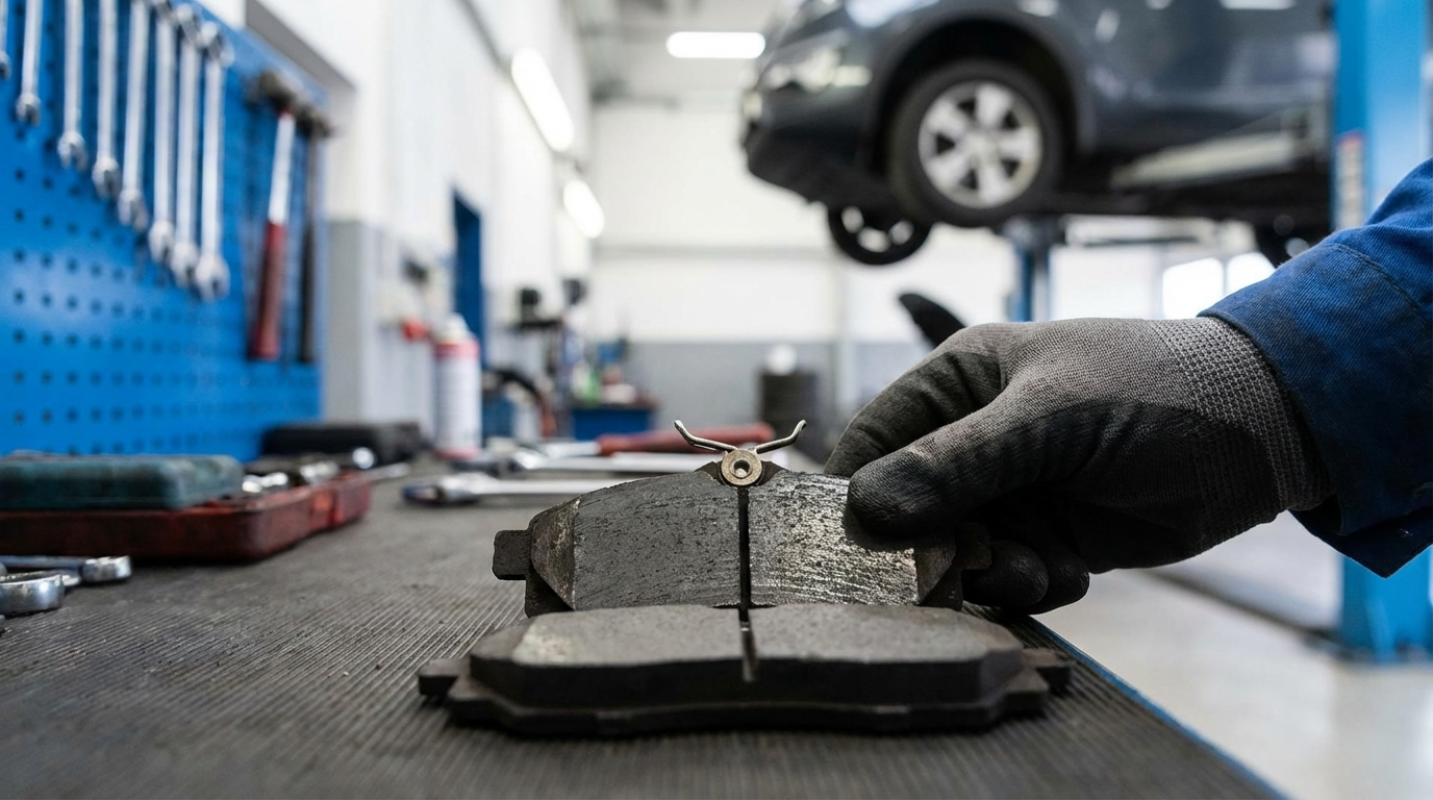
The Mass Air Flow (MAF) sensor is another frequent victim of neglect. If it gets dirty, it miscalculates the amount of air entering the engine, leading to poor fuel trim adjustments. Even something as simple as a sticking brake caliper can be a constant drain. If your brakes are not fully releasing, you are driving with the "parking brake" on just enough to create friction. It is a constant tug of war between your engine and your wheels, and your bank account is the one losing.
The Financial Payback: Calculating Your Savings
Let's look at the cold, hard numbers for 2026. The average annual maintenance cost for a vehicle has reached approximately $1,384.⁴ That is a 12% jump from just a couple of years ago. It sounds like a lot of money to spend on "nothing," but the alternative is much worse. Industry experts point to a 1:5 savings ratio. For every $1 you spend on preventative maintenance, you save an average of $5 in reactive repairs down the road.²
Consider the "Major Service" crisis reported by CARFAX. About 41% of vehicles on the road right now are overdue for at least one major service like brakes or transmission fluid. These owners are not just risking a breakdown. They are paying a "neglect tax" every time they drive. A car with a documented service history is also worth 15% to 20% more when you go to sell it.
So, what is the best approach? Start with the high ROI tasks.
- Tire Pressure: Check it monthly. It costs $0 and can save you $100 a year.
- Oil Changes: Stick to the manufacturer's schedule. A $100 oil change prevents a $5,000 engine seizure.
- Sensor Health: Never ignore a "Check Engine" light. It is usually a warning that your fuel efficiency is about to tank.
Maintenance isn't a chore. It is an investment in your own mobility. If you treat your car like a disposable appliance, it will treat your budget like an open buffet. But if you stay proactive, you will find that the "high cost of driving" is a lot more manageable than you thought.
Sources:
1. New Year, New Budget: How to Save Big with Preventative Car Maintenance in 2025
2. Reactive vs Preventive Maintenance: What’s the Difference?
3. Why Proactive Maintenance is Actually Cheaper Than Reactive Repairs
4. Average Cost to Maintain a Car
5. How Maintenance Affects Fuel Economy
This article on aidriv.com is for informational and educational purposes only. Readers are encouraged to consult qualified professionals and verify details with official sources before making decisions. This content does not constitute professional advice.