 (Image source: Gemini / Landon Phillips)
 So you’re planning to be away for a while. Maybe it’s a month-long trip or perhaps you’re heading south for the entire winter. If you had a gas car, you’d probably just make sure the windows were up and the doors were locked. With an electric vehicle, the rules of the game are a bit different.
When we talk about long-term storage, we’re usually looking at any period longer than 30 days. In the world of EVs, your main focus isn't on the oil or the spark plugs. It’s all about the chemistry happening inside that massive battery pack under your feet.
Lithium-ion batteries are a lot like people. They don’t like being pushed to their absolute limits, and they definitely don’t like extreme weather. If you leave your car sitting with a completely full or completely empty battery, you’re basically asking for trouble.
Think of it this way. Storing an EV is less about "turning it off" and more about putting it into a healthy state of hibernation. If you get the setup right, your car will be ready to go the moment you get back. Get it wrong, and you could face permanent battery degradation or a car that won't even unlock its own doors.
The Golden Rule - Mastering State of Charge (SoC) for Battery Longevity
The most important thing you can do for your EV is manage its State of Charge (SoC). This is the percentage you see on your dashboard. Although it’s tempting to charge it to 100% so it’s "ready" when you return, that’s actually one of the worst things you can do.
Most experts and manufacturers now agree that the sweet spot for storage is between 40% and 60%. Storing a battery at 100% keeps the cells under high voltage stress, which is like keeping a rubber band stretched to its absolute limit for weeks at a time. Eventually, it loses its elasticity. On the flip side, letting it drop to 0% can cause the battery to "brick," making it impossible to recharge without professional help.
The chemistry of your battery also plays a role. If you have a car with a Nickel-based battery (NMC or NCA), it’s incredibly sensitive to high voltage. Leaving one of these at a high charge in the heat can double the rate of capacity loss compared to leaving it at 50%. Even if you have a Lithium Iron Phosphate (LFP) battery, which is generally tougher, you should still aim for that 50% mark for long-term storage.²
So how do you actually manage this? Most modern EVs allow you to set a charge limit through the car’s infotainment screen or a mobile app. Set that limit to 50%, and if you leave it plugged in, the car will handle the rest. If you aren't leaving it plugged in, try to time your last drive so you park it with about 55% or 60% remaining.
Temperature Control - The Silent Killer of EV Batteries
Temperature is the primary catalyst for battery aging. If your battery is the heart of the car, heat is the high blood pressure that wears it down. Recent data from the National Renewable Energy Laboratory shows that EVs in hot climates can degrade twice as fast as those in cooler areas.
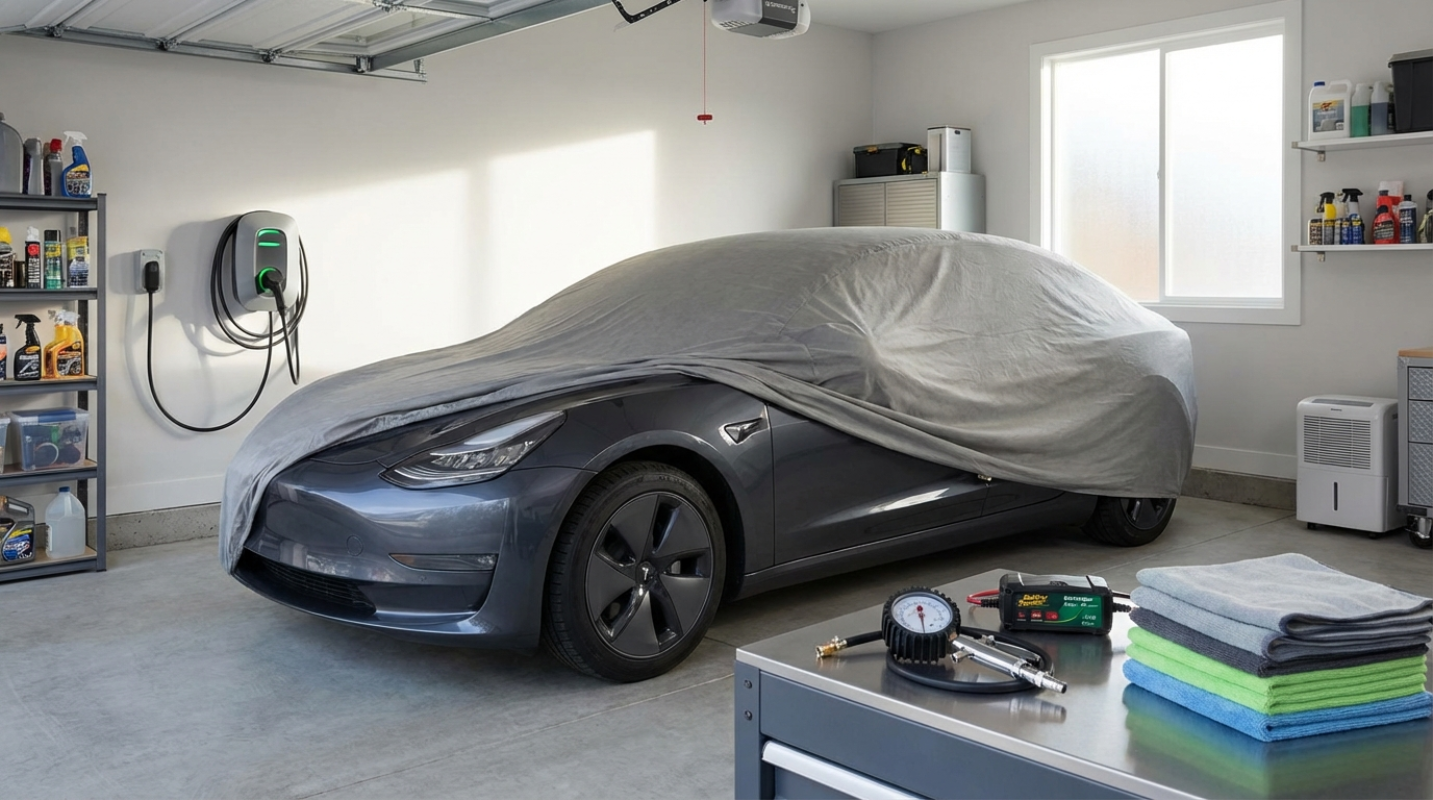
Ideally, you want to store your car in an environment between 50°F and 77°F. A climate-controlled garage is the gold standard, but even a standard unheated garage is better than leaving the car in a driveway. The shade and protection from the wind help keep the battery temperature stable.
If you live somewhere with extreme heat, the "plugged-in" debate becomes very relevant. Tesla usually recommends leaving the car plugged in because it allows the vehicle to use wall power to run its cooling system. This protects the battery without draining your range.
But brands like Ford and Hyundai often suggest leaving the car unplugged if the charge is in that 40-60% range. They do this to prevent the car’s computers from staying "awake" and constantly cycling the battery. Always check your specific owner's manual, as the engineers who built your car know its cooling logic best.
Managing Vampire Drain - The Leaky Faucet of Energy
Even when your car is parked, it’s never truly "off." It’s constantly talking to satellites, checking for software updates, and monitoring its security sensors. This is known as vampire drain, and it can eat through your battery faster than you might think.
- Tesla - Expect to lose about 0.5% to 1% per day. To minimize this, turn off Sentry Mode and Cabin Overheat Protection.
- Rivian - These can be a bit thirstier, losing 1% to 3% daily. Turning off Gear Guard and Proximity Locking is a must.¹
- Hyundai and Kia - These are very efficient, losing less than 0.5% a day. Their connectivity features usually go into a deep sleep after seven days of inactivity.
- Ford - These also lose very little, especially if you aren't constantly checking the FordPass app.
Every time you open your phone app to check on the car, you "wake" it up. This uses a burst of energy and prevents the car from staying in its most efficient sleep state. If you’re going away for a month, try to resist the urge to ping the car every morning.
The 12V Battery - The Most Common Failure Point
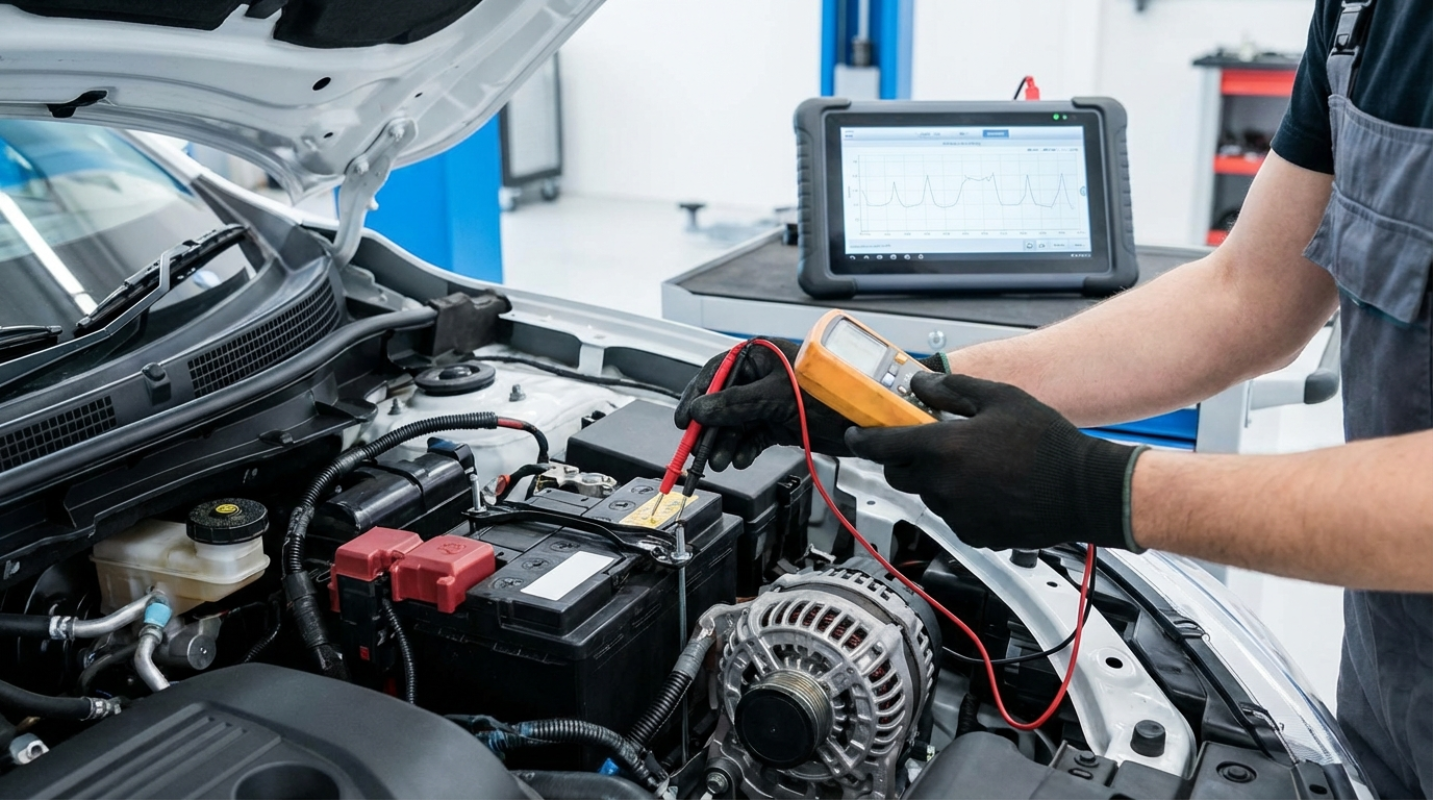
Here’s a secret that catches many new EV owners off guard. Your car actually has two batteries. There’s the big high-voltage pack that moves the wheels, and a smaller 12V battery that runs the lights, the locks, and the computers.
If that little 12V battery dies, your car is stuck. You won't be able to open the doors, and the big battery won't be able to "engage" to start the car. This is actually the most common reason EVs need a tow after being stored.
If your car is a newer Tesla, you likely have a 16V Lithium-ion accessory battery that handles itself quite well. But for most other EVs, you should consider a smart trickle charger (also called a battery maintainer) for the 12V system. This is especially important if you’re leaving the car unplugged from its main charger.
Preparation Checklist - Before You Park It
Before you walk away and shut the garage door, there are a few mechanical chores to handle. Even though EVs have fewer moving parts, they still have tires and brakes that need a little love.
1. Tire Care - EV tires carry a lot of weight. If they sit in one spot for months, they can develop "flat spots" that cause a vibration when you drive. To prevent this, inflate your tires to about 5 PSI above the recommended pressure on your door sticker. Just don't exceed the "Max Cold" pressure listed on the tire sidewall.
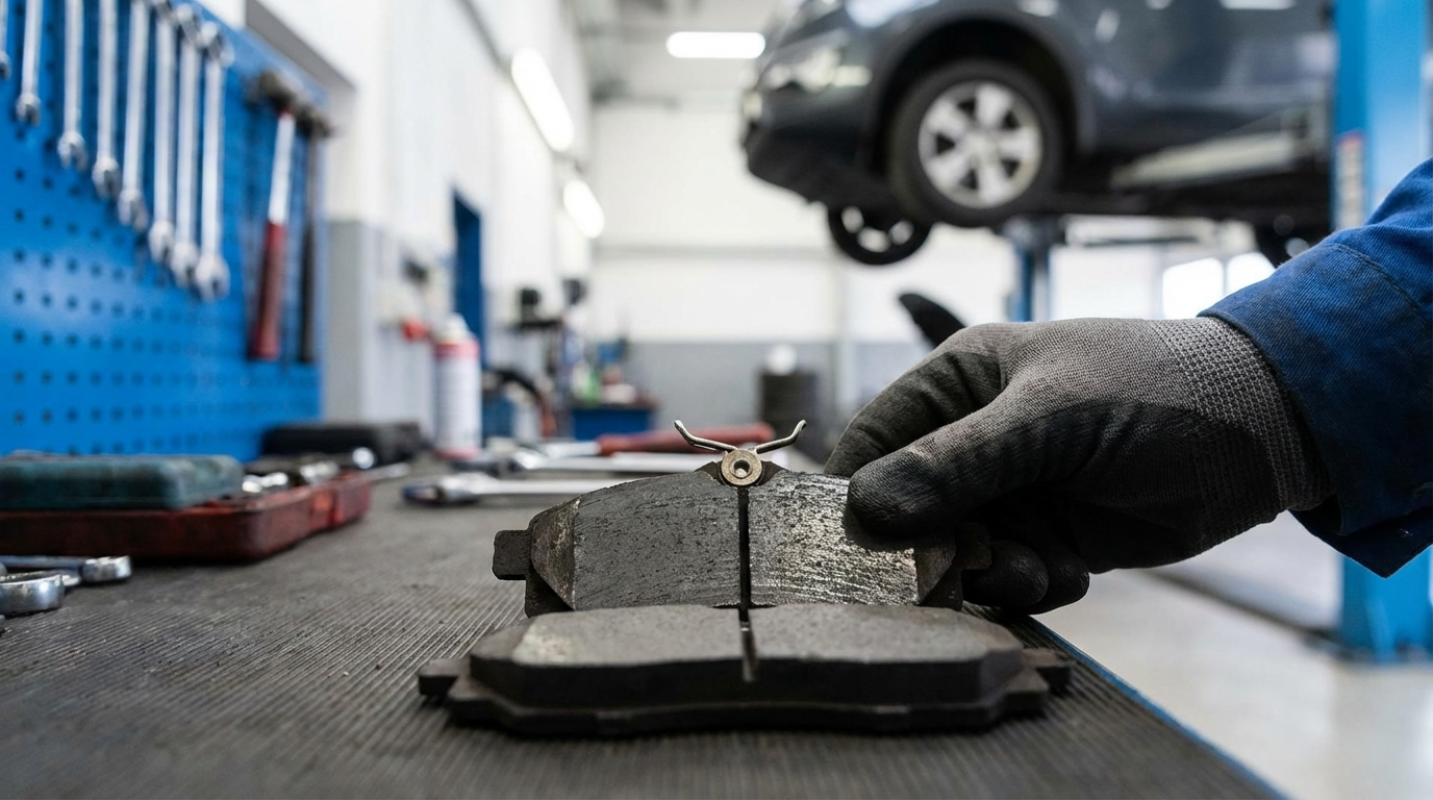
2. Brake Maintenance - Because EVs use regenerative braking, the physical brake pads and rotors don't get used much. This can lead to rust and pitting if they sit with moisture on them. Before you park the car for the last time, take it for a quick drive and perform a few firm stops using the actual brake pedal. This "cleans" the rotors and make sures they're dry.
3. Cleaning - It sounds basic, but wash the car. Things like bird droppings or tree sap are acidic. If they sit on your paint for three months, they can leave permanent marks that a simple wash won't fix.
Waking Up Your EV - Best Procedures for Recommissioning
When you finally return, don't just jump in and floor it. You need to wake the car up gracefully. If you had the 12V battery on a charger or disconnected, get that sorted first.
Start by giving the car a full charge. This isn't just about range. It allows the Battery Management System (BMS) to "re-calibrate" and balance the individual cells within the pack. You might notice your estimated range looks a bit weird for the first few miles. Don't panic. The car’s computer needs a little time to gather data and give you an accurate number again.
Check your tire pressures immediately. Tires naturally lose air over time, and if you over-inflated them for storage, you’ll need to bleed them back down to the recommended levels. Finally, do a quick visual check under the car for any signs of rodents. For some reason, mice seem to love the soy-based wiring insulation used in many modern vehicles.
Once you’ve done your walk-around and checked your fluids (like windshield washer and brake fluid), you’re ready to hit the road. Your EV is a resilient machine, and with these simple steps, it’ll be just as ready for the road as you are.
Sources: