 (Image source: Gemini / Landon Phillips)
 If you’ve spent any time looking at car forums lately, you’ve probably seen the chaos. It’s 2026, and while electric vehicles (EVs) are everywhere, the myths surrounding how to keep them running are still stuck in 2012. You’ll hear one person claim their battery will explode the moment the warranty expires, while another insists they haven’t touched a wrench in five years.
So what’s the actual deal? Are we looking at a future of maintenance free driving, or are we just trading oil changes for even more expensive headaches?
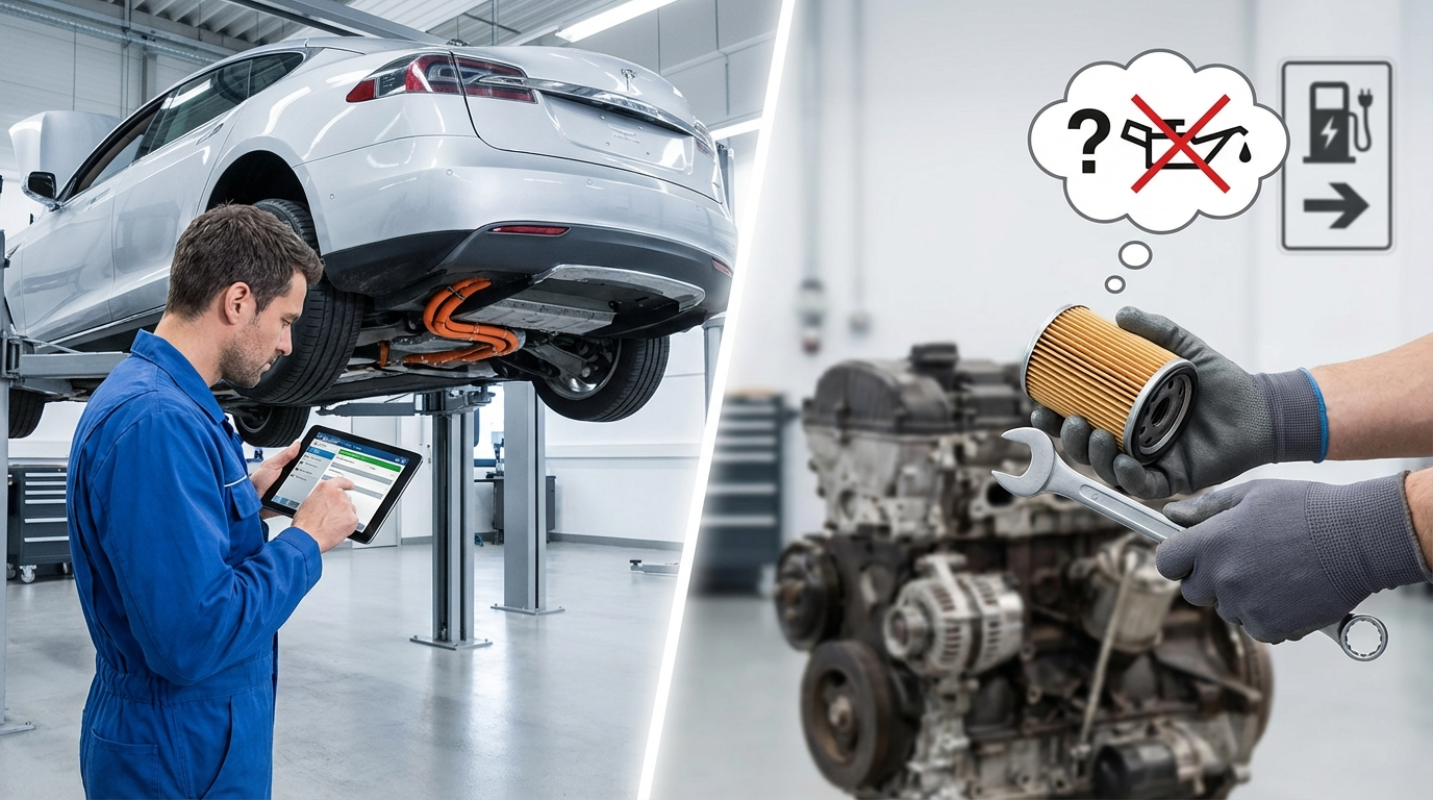
The truth is that owning an EV in 2026 is vastly different from owning a gas car, but it isn’t a magic trick. It’s the digital equivalent of moving from a mechanical watch to a smartwatch. There are fewer moving parts, sure, but the parts that remain require a specific kind of attention. We’re going to look at the five biggest myths that still keep potential owners up at night and see what the data actually says.
Myth 1, The EV Battery Death Sentence
This is the big one. You’ve probably heard that EV batteries are like smartphone batteries (they work great for two years and then fall off a cliff). People worry that they’ll wake up one morning to a car that can only drive to the end of the driveway.
Here is the reality. Recent data shows that the average annual battery degradation rate is now around 2.3 percent.¹ If you do the math, that means even after a decade of driving, you’re likely looking at a car that still has the vast majority of its original range. In fact, many modern EVs are keeping over 85 percent of their range even after they’ve crossed the 175,000 mile mark.³
Think of your battery less like a ticking time bomb and more like a long term investment. Modern thermal management systems act like a climate control system for the cells, keeping them from getting too hot or too cold. If you’re driving a car with Lithium Iron Phosphate (LFP) chemistry, which is common in many 2026 models, you can even charge to 100 percent every day without the same wear and tear that older batteries suffered. Battery failure is actually quite rare, affecting only about 2.5 percent of vehicles on the road, and most of those were covered by manufacturer recalls anyway.
Myth 2, Electric Vehicles Never Need Servicing
On the opposite end of the spectrum, you have the "zero maintenance" crowd. These are the folks who think that because there’s no oil to change, they can just drive the car into the ground. It’s a dangerous way to think.
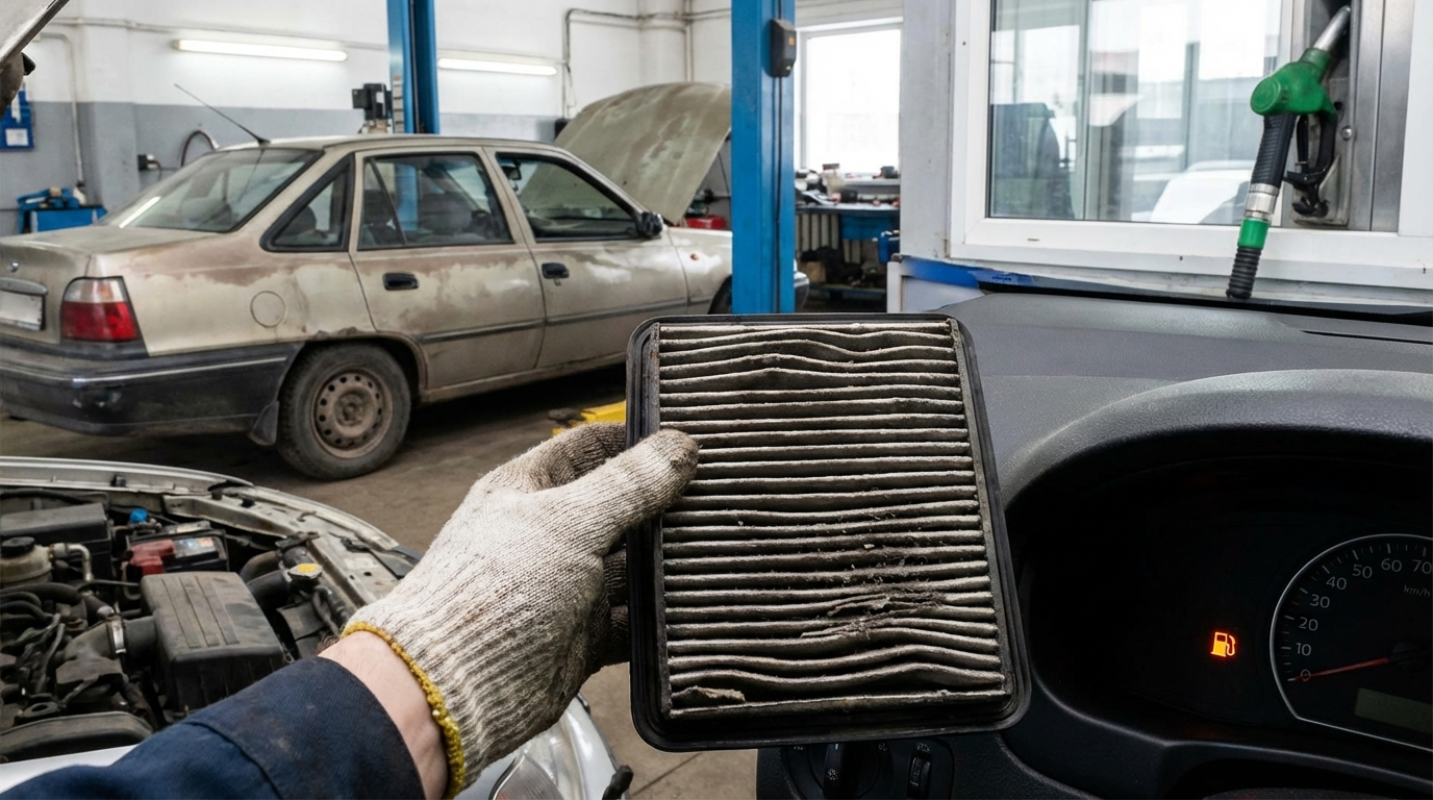
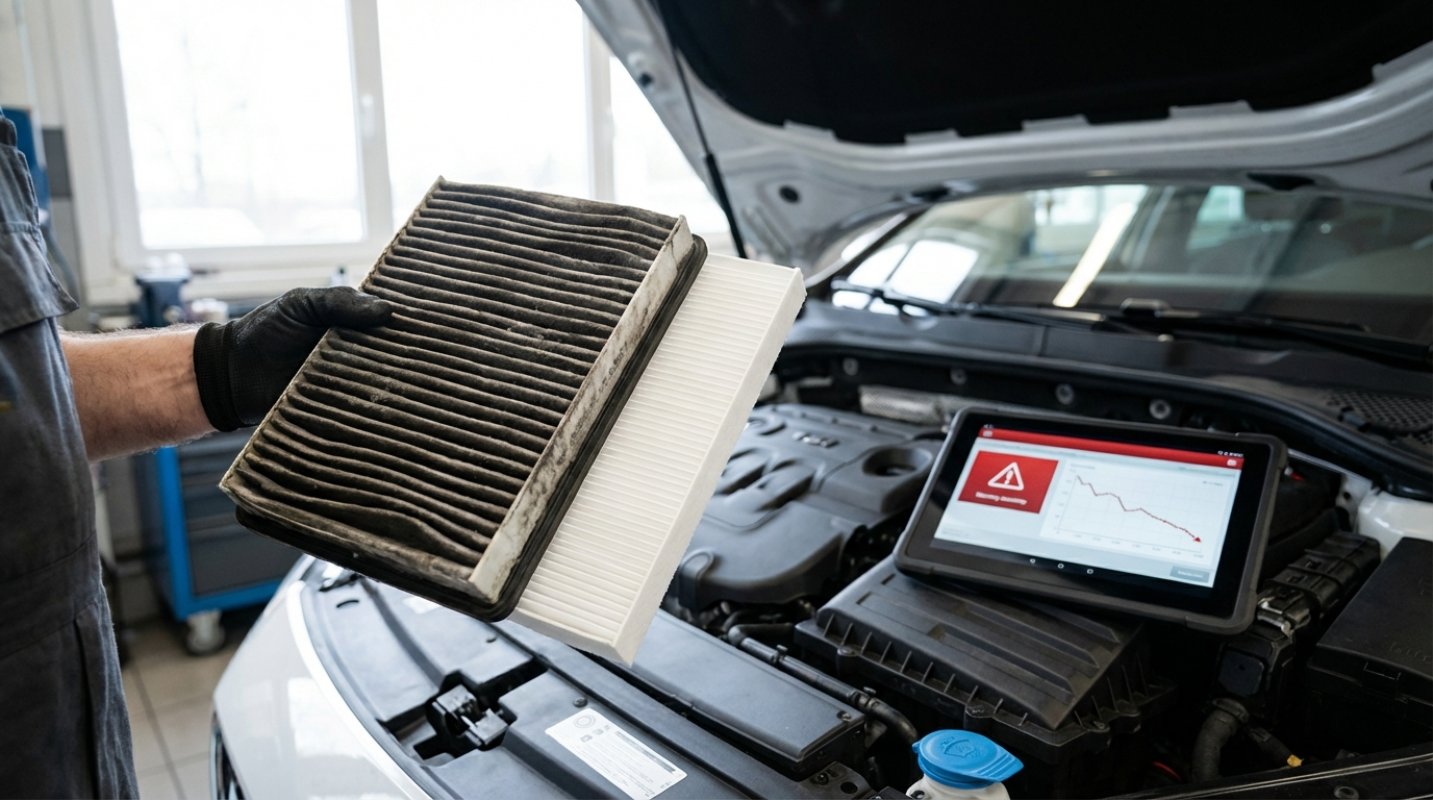
Although it’s true that an EV has about 20 moving parts in its drivetrain compared to the 2,000 plus parts in a gas engine, you still have a chassis, a suspension, and a braking system. You don’t have spark plugs or timing belts, but you still have cabin air filters that get clogged with dust and pollen. You still have brake fluid that can absorb moisture and needs to be tested every couple of years.
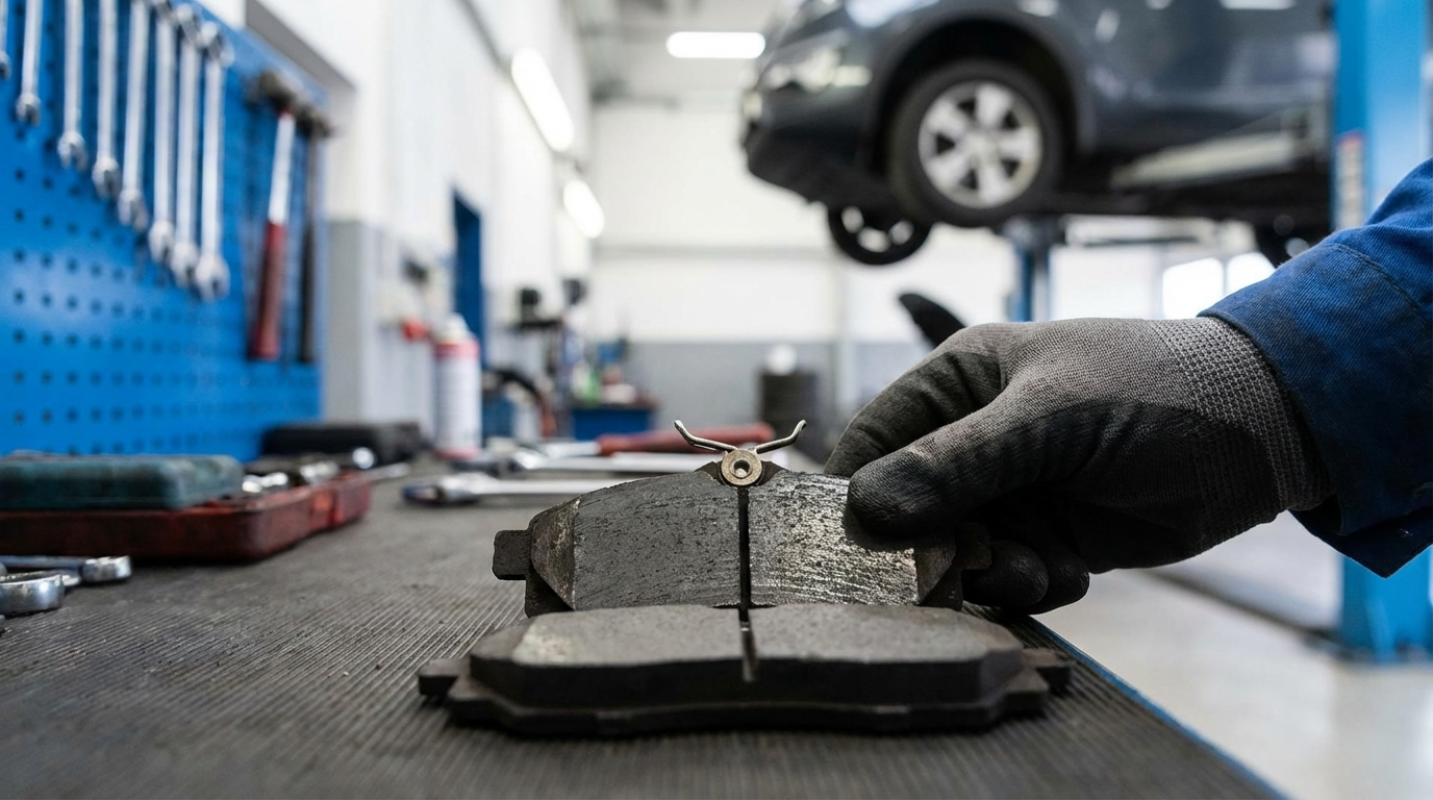
The big win here is regenerative braking. When you lift off the accelerator, the motor turns into a generator to slow the car down and put power back into the battery. This means your physical brake pads might last over 100,000 miles because they’re barely being used.⁸ But if you never service them, the calipers can actually seize up from lack of use, especially in saltier climates. You’re trading frequent oil changes for simple, infrequent checkups.
Myth 3, The Hidden Cost of Heavy Tires
Have you noticed that EV owners seem to be at the tire shop more often than everyone else? This isn't your imagination. It’s one of the few areas where EV maintenance is actually more demanding than a traditional car.
EVs are heavy. Those battery packs can add 20 to 30 percent more weight compared to a gas car of the same size. On top of that, electric motors provide instant torque. When you hit the pedal, the car wants to go right now, which creates a tiny bit of "micro-slippage" between the rubber and the road.
Because of this, many EV owners find themselves replacing tires every 20,000 to 30,000 miles, whereas a gas car might get 50,000 miles out of a set.⁹ It’s a significant difference. To fight this, you have to be religious about tire rotations. If you skip them, the weight and torque will chew through your tread unevenly and leave you with a very expensive bill much sooner than you’d like.
Myth 4, Winter Is a Permanent Battery Killer
There’s a persistent myth that cold weather permanently damages your battery. You’ve seen the headlines about cars "bricked" in a Chicago winter, right?
Let’s clear this up. Cold weather does reduce your range in the short term. When it’s freezing, the chemistry in the battery slows down, and the car has to use a lot of energy just to keep you (and the battery) warm. You might see a 20 or 30 percent drop in range on a sub-zero day. But this isn't permanent damage. Once the weather warms up, your range comes right back.
Most 2026 models use heat pumps, which are way more efficient than the old heaters used in early EVs. Plus, you can use "preconditioning" to warm the car up while it’s still plugged into your house. This uses grid power to get the battery to its happy temperature so you don't waste your range once you hit the road. It’s not a disaster, it’s just something you have to plan for.
Top Recommendations
Keeping your EV in top shape doesn't have to be complicated, but you do need the right tools and services to stay ahead of the curve.
The Shift to Proactive Ownership
When you look at the numbers, owning an EV is simply a different relationship with your machine. You’re spending about $620 a year on maintenance compared to the $835 a year that gas car owners are shelling out.⁸ You’re skipping the greasy engine bays and the exhaust leaks, but you’re paying more attention to your tire pressure and your software updates.
Even the scary "out of warranty" battery replacement isn't the monster it used to be. Although a massive truck battery can still cost a fortune, many shops are now performing "module-level" repairs. Instead of replacing a $15,000 pack, they can swap out a single bad module for a fraction of the price.¹⁰
The best thing you can do is stop treating your EV like a mystery box. Open your owner’s manual, look at the actual service intervals, and ignore the noise on social media. Proactive, simple maintenance is the key to making that battery last 20 years. Your wallet will thank you, and your car will probably outlast every gas vehicle on your block.
Sources:
1. Geotab 2026 Battery Health Analysis
2. Updated Analysis on Average Battery Degradation
3. New Geotab Data on EV Longevity