 (Image source: Gemini / Landon Phillips)
 If you've spent any time behind the wheel of a modern electric vehicle, you know that slightly eerie, magnetic pull that happens the moment you lift your foot off the accelerator. That's regenerative braking, or "regen," doing its thing. It feels like magic because it's turning your car's kinetic energy back into electricity to top up your battery. But have you ever stopped to wonder what all that invisible force is actually doing to your car's hardware over five or ten years?
It's easy to assume that because you aren't pressing the brake pedal, you're just saving money. Although that's largely true, the reality is a bit more nuanced. Regen doesn't just eliminate wear; it relocates it. We are moving away from a world where we worry about thin brake pads and moving into one where we worry about thermal cycles in the motor and oxidation on the rotors. So, what does this actually mean for your wallet and your car's lifespan as we head into 2026?
The Great Reduction: Friction Brake System Longevity
Let's start with the good news, because it's pretty spectacular. In a traditional gas car, every time you slow down, you're literally grinding away expensive material. In an EV, regen handles anywhere from 70 percent to 90 percent of your deceleration. This has pushed the lifespan of friction brake pads into territory we used to think was impossible.
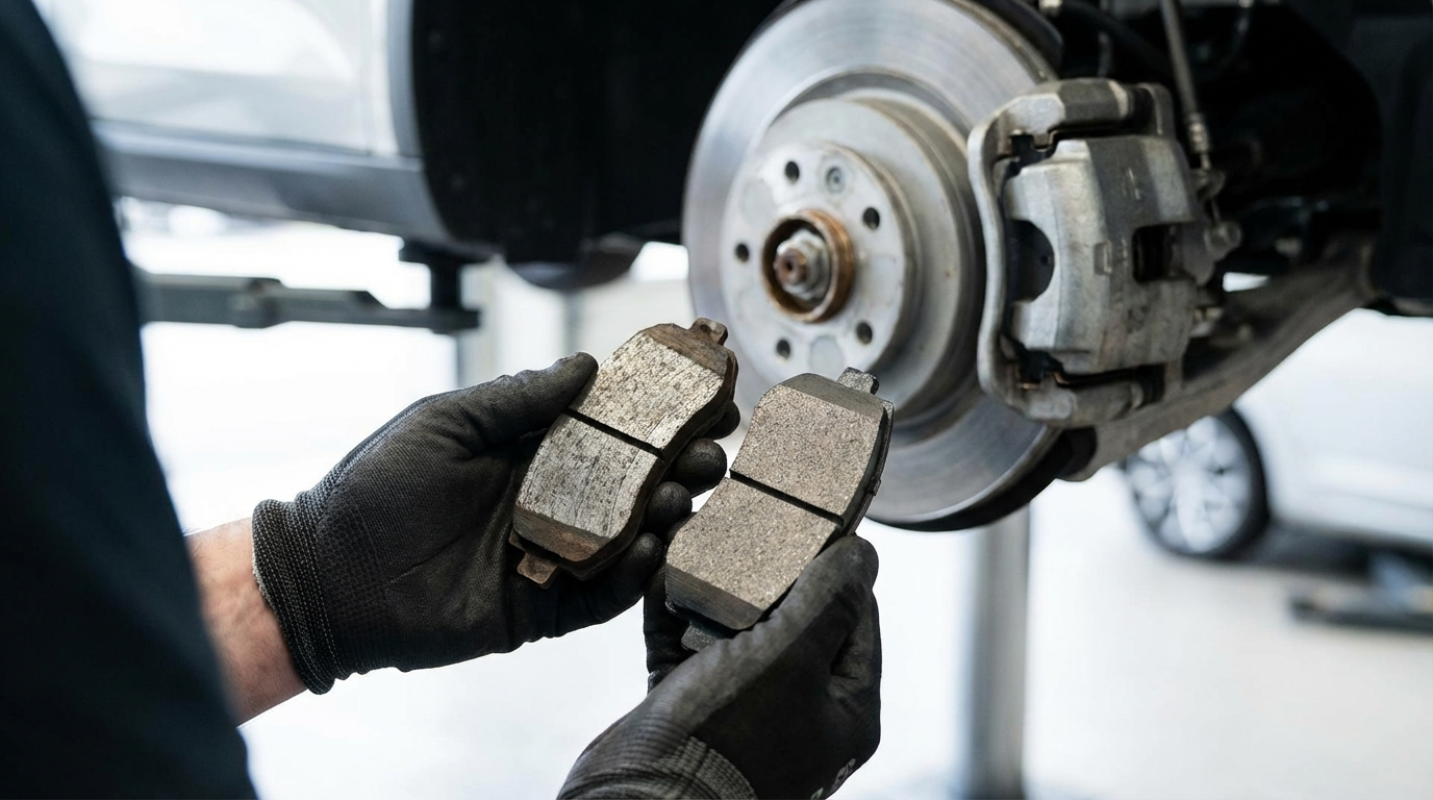
Recent data from 2025 and early 2026 shows that many EV owners are reaching 100,000 or even 150,000 miles with more than half of their original pad material still intact.¹ In some cases, the brake pads might actually outlast the car's first owner. Sound like a dream? It is, but there is a catch that most people don't see coming until their first high-speed emergency stop.
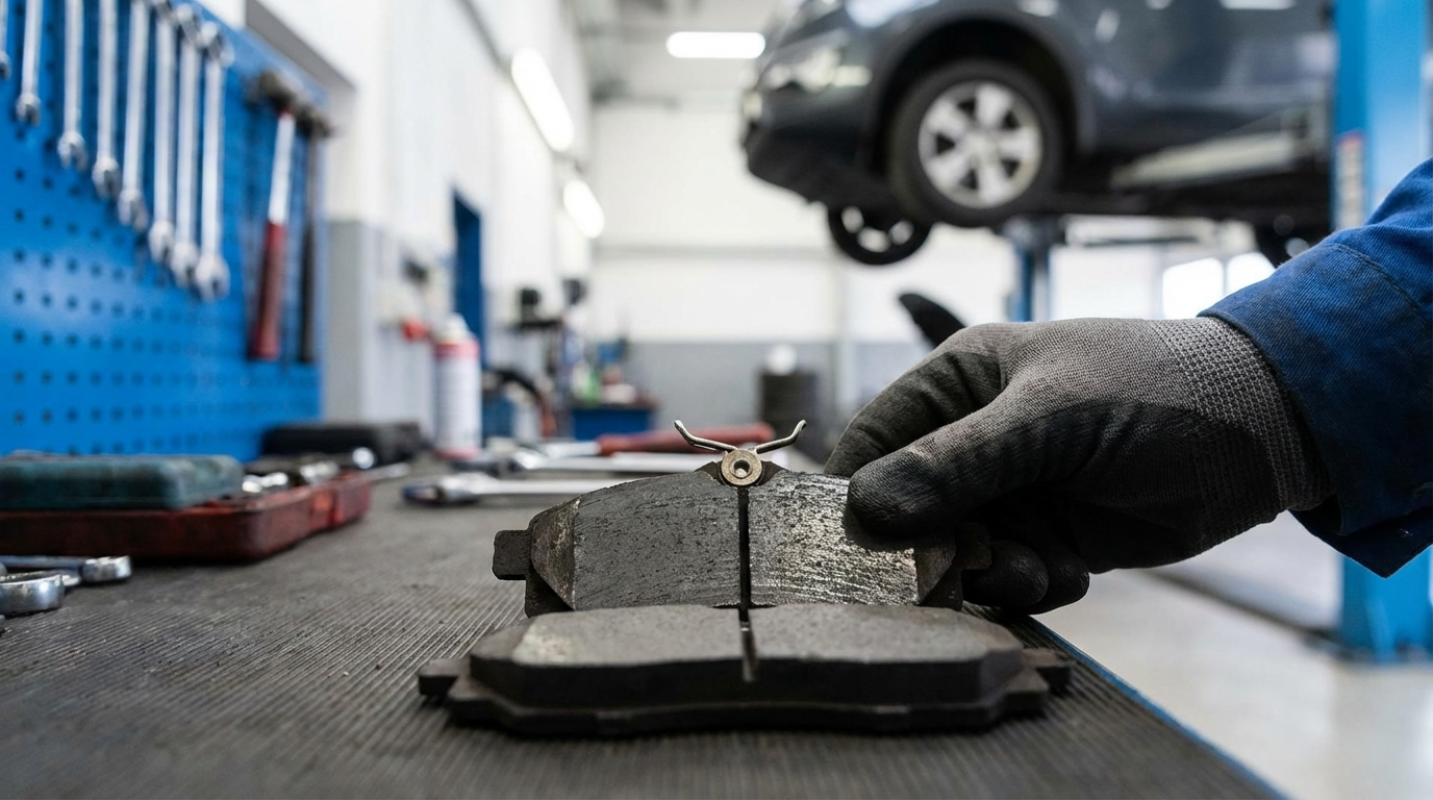
The problem is that friction brakes are "use it or lose it" components. Because they sit idle for weeks at a time, they lose their ability to self-clean. On a normal car, the act of braking scrapes off surface rust and road grime. On an EV, that rust just builds up. If you live in a "salt belt" region where roads are treated in winter, this oxidation can lead to caliper seizing or "pitting" on the rotors. You might have 80 percent of your brake pads left, but if the calipers are frozen shut from disuse, they're useless.
Experts are now seeing a rise in "glazing," where the pads develop a smooth, slippery layer from lack of heat and friction. This can reduce your stopping power by up to 20 percent when you actually need it in a panic situation. This is why manufacturers like Tesla and Hyundai have shifted their maintenance schedules. They don't want to change your pads; they want to lubricate your calipers and clean your rotors once a year to make sure the hardware doesn't rot away from neglect.
Drivetrain Components Under New Stress: Motors and Power Electronics
Although your brakes are taking a permanent vacation, your electric motor and inverter are working overtime. When you use regen, you're asking your motor to run backward and act as a generator. This creates a unique set of stresses that traditional drivetrains never had to deal with.
Think of it like this: every time you lift off the pedal, you're pushing a massive wave of electricity back through the system in reverse. This creates significant thermal load on the motor windings and insulators. Although modern "e-axles" are designed for this bidirectional torque, sustained heavy regen (like coming down a long mountain pass) can cause the motor to run hotter than it does during normal cruising.
The real hero (or victim) in this story is the inverter. This is the "brain" that manages the switching between driving and charging. In 2026, we're seeing a massive shift toward Silicon Carbide MOSFETs in these inverters. These chips are much better at handling the rapid thermal cycling that comes with aggressive one-pedal driving. Older silicon-based chips can struggle with the constant "on-off-on" frequency of city traffic, which could lead to long-term fatigue in the power electronics.
There is a silver lining for your mechanical gears, though. A 2025 study found that regenerative braking actually increases the lifespan of the gearbox and reduction unit.² Because the deceleration is controlled electronically and happens smoothly through the magnetic field of the motor, it eliminates the "jerky" mechanical shocks you get from traditional braking. It’s the digital equivalent of a perfectly rev-matched downshift every single time you slow down.
Battery Health and Regeneration Cycles: The Energy Sink
The battery is the most expensive part of your car, so it’s natural to worry about "micro-charging" it a thousand times a day. Every time you slow down for a red light, you’re hitting the battery with a burst of high-current energy. Does this constant "micro-cycling" wear the battery out faster?
Actually, the data suggests the opposite. A major study of over 10,000 EVs found that regenerative braking is a net positive for battery health.³ The reason is simple: regen reduces your "Depth of Discharge." By constantly trickling energy back into the pack during your drive, you keep the battery at a higher state of charge and prevent it from dipping into those "low battery" zones that cause the most chemical stress.
Modern Battery Management Systems are also incredibly smart about this. If your battery is too cold or too full, the car will automatically limit regen to protect the cells from "lithium plating," which is a fancy way of saying "clogging up the battery's internal structure." In 2026, these systems are so refined that the battery usually doesn't even feel the "hit" from regen; it just sees it as a gentle extension of its range.
Top Recommendations for EV Maintenance
To keep your components healthy in this new era of "wear-shifting," here are the best practices for the modern driver
- The Weekly Brake Exercise, Once a week, find a safe, empty stretch of road and use your friction brakes firmly from 40 mph to a stop. This scrapes off rust and keeps the calipers moving.
- Annual Lubrication, If you live in a snowy or rainy climate, don't skip the "brake service" just because the pads look thick. Have a technician clean and lube the slider pins.
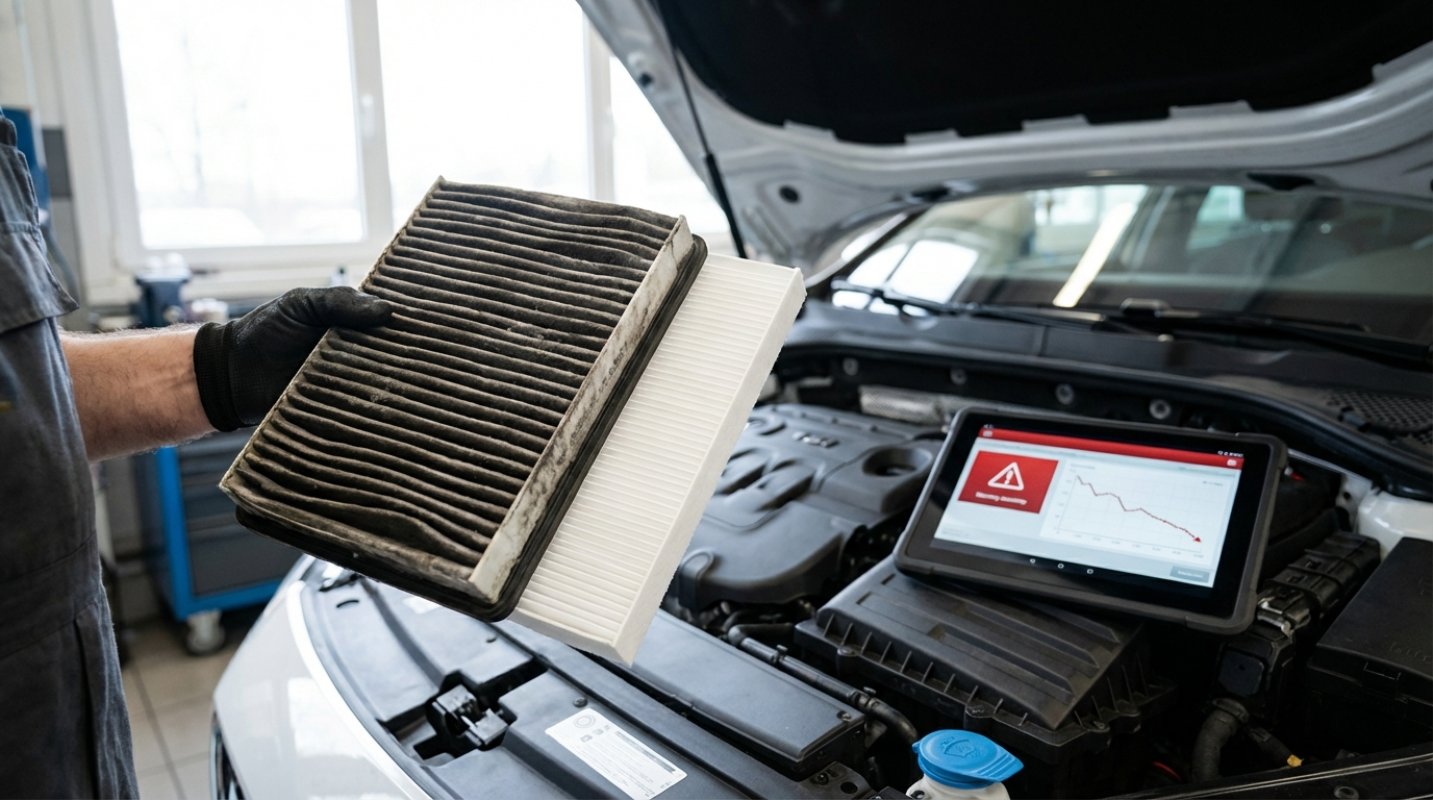
- Cooling System Flushes, Since your motor and inverter are doing more thermal work during regen, keeping your coolant fresh is more important than ever to prevent insulation breakdown.
The Long Game: Balancing Tech and Hardware
So, where does this leave us? We’re swapping out mechanical wear for electrical and thermal load. It’s a trade-off that almost any driver would take, considering the massive savings on brake jobs and the boost in efficiency. But it does require a shift in how we think about "taking care of the car."
The challenge for the next decade isn't replacing worn-out EV brakes; it's preventing them from rotting. We are moving toward a condition-based maintenance model where the motor does the heavy lifting and the driver’s job is simply to protect the hardware from the environment.
If you want your EV to last 200,000 miles, the recipe is simple. Enjoy the one-pedal driving, let the magnets do the work, but don't forget that your physical brakes still need a little love and "exercise" to stay sharp. It's about finding that balance between the digital efficiency of the motor and the old-school mechanical needs of the hardware. Your car - and your wallet - will thank you for it in the long run.
Sources:
1. EV Fleet Maintenance Analysis 2025
2. Patsnap Drivetrain Longevity Study
3. Geotab Battery Degradation Data
4. Automotive Engineering Analysis, SAE International
5. Silicon Carbide Efficiency Trends in Power Electronics
This article on aidriv.com is for informational and educational purposes only. Readers are encouraged to consult qualified professionals and verify details with official sources before making decisions. This content does not constitute professional advice.