 (Image source: Gemini / Landon Phillips)
 The myth of the maintenance free car is finally dying. If you bought an EV expecting to never pop the hood or visit a technician again, you might be in for a surprise. Sure, you've ditched the oily mess of internal combustion, the spark plugs, and the timing belts. But your car is still a complex machine that deals with some pretty intense environmental stress.
Think of it like this: your EV has roughly 20 moving parts compared to the 2,000 plus found in a traditional gas car. That's a massive win for your wallet. But those few parts are specialized, high performance components that are particularly sensitive to the seasons. As we move through 2026, we're seeing that the "weather tax" on batteries is real, and ignoring it is the fastest way to kill your range and your resale value.
So what does this actually mean for you? It means shifting your mindset from "repairing things when they break" to "conditioning systems before the weather hits." We are going to walk through the four needed seasonal checks you need to keep your ride running at peak efficiency, regardless of what the thermometer says.
Spring and Summer Prep Cooling Systems and Tires
When the sun starts beating down, your EV's Battery Thermal Management System (BTMS) becomes its most important asset. Think of the BTMS as the radiator for your battery cells. In 2025 and 2026, we've seen a massive shift toward immersion cooling, where cells are submerged in a special fluid to dissipate heat 40 to 50 percent better than old school liquid cooling.⁶ Still, if your coolant levels are low or the fluid is degraded, your battery will struggle to stay in its "happy zone" during a heatwave.
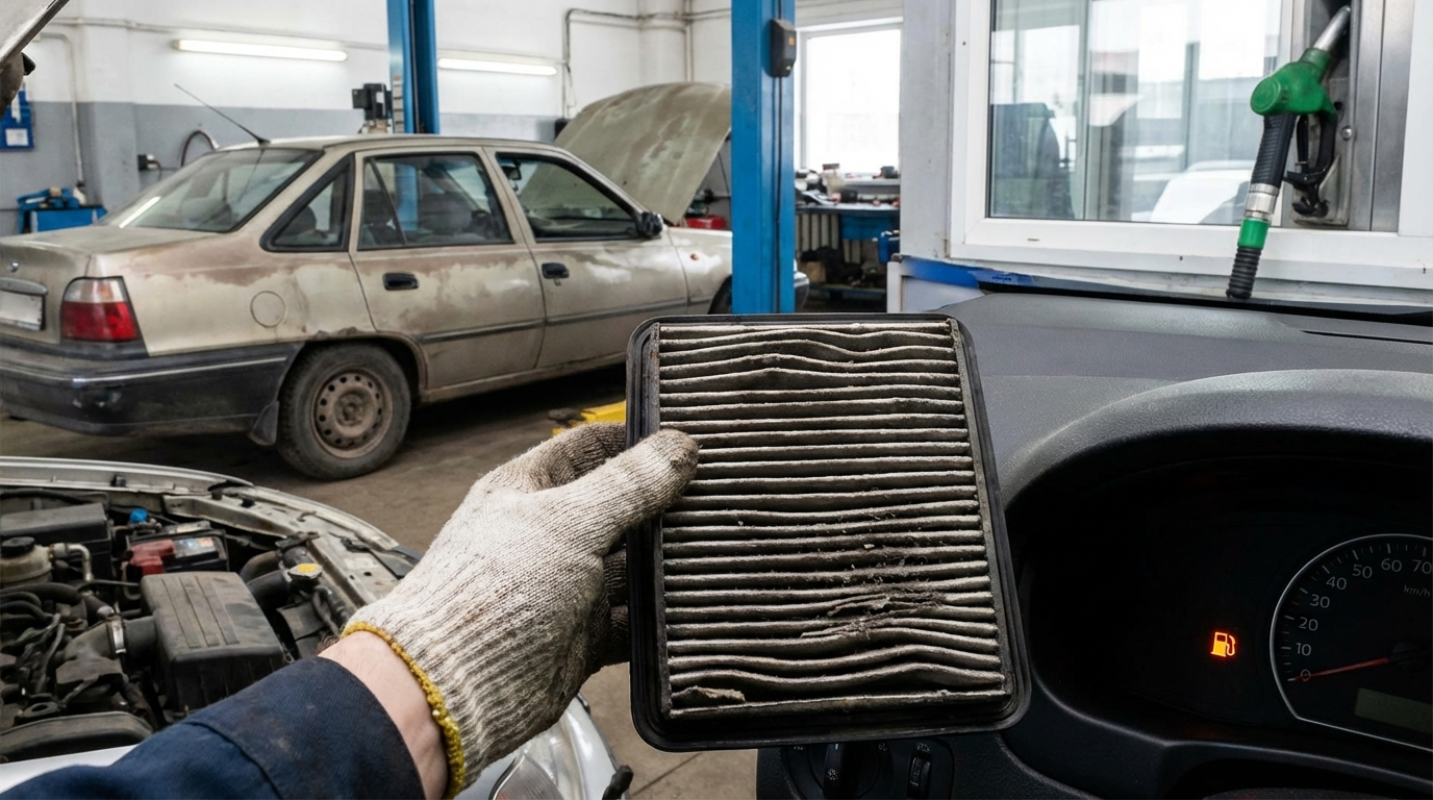
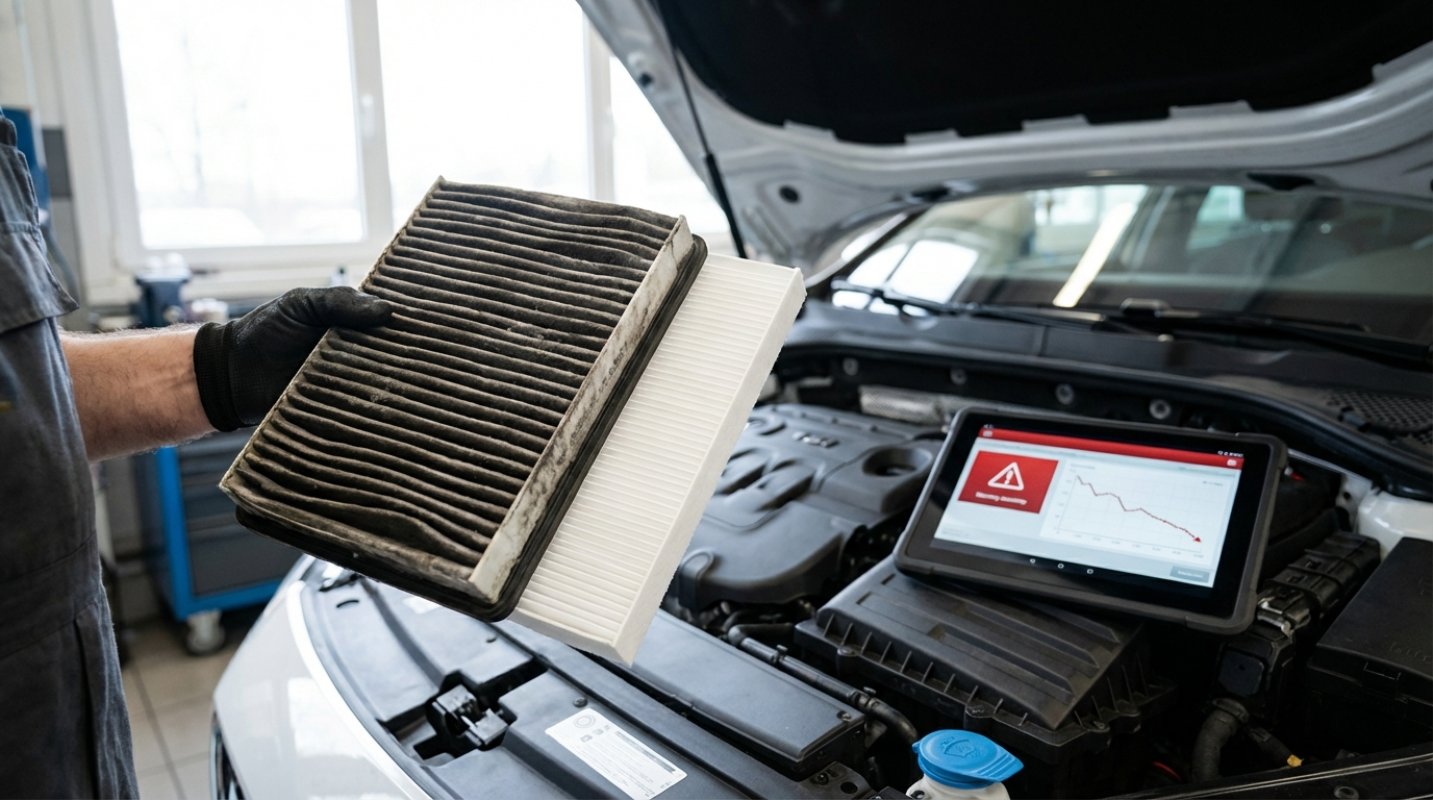
Temperatures above 104 degrees Fahrenheit trigger active cooling, which is a massive energy hog. If your cooling system isn't efficient, your car has to work twice as hard to keep the battery from degrading. This is also the time to check your cabin air filter. Most people wait until it smells like a gym locker, but you should really swap it in late May or June. After the peak pollen season, a clogged filter makes your HVAC system work harder, which directly drains your driving range.
Then there's the tire situation. EV tires live a hard life. Because of that instant electric torque, they wear about 20 percent faster than tires on a gas car. Rising ambient temperatures also mean your tire pressure (PSI) will fluctuate. You'll want to check these monthly during the summer. Under-inflated tires on a heavy EV don't just hurt your range; they can lead to a blowout on a hot highway.
Fall and Winter Prep Getting the most from Range in the Cold
Winter is where the "weather tax" really hits your patience. On average, an EV loses about 21 percent of its range when the mercury hits freezing (32 degrees Fahrenheit).⁵ If you live somewhere like North Dakota, you might see a median range drop of nearly 60 percent during a sub zero snap. Sound familiar? It's the science of cold weather battery degradation.
To fight back, you need to master the art of pre-conditioning. This is the digital equivalent of warming up your car, but you do it while the car is still plugged into the charger. By using the car's app to warm the battery and the cabin 30 to 60 minutes before you leave, you can reclaim up to 15 percent of your lost range.² It's much more efficient to pull that heat from the grid than from your battery while you're driving.
Don't forget the physical hardware either. Check your charging port seals. Ice and moisture can get trapped in there, making it impossible to get a good connection when you're shivering at a public charger. A quick wipe down and an inspection of the weatherstripping can save you a lot of grief in January. Also, switch to a winter grade washer fluid. EVs use their cameras and sensors for everything, and if those sensors are covered in frozen road grime, your safety systems will start throwing error codes.
The EV Underbody and High Voltage System Inspection
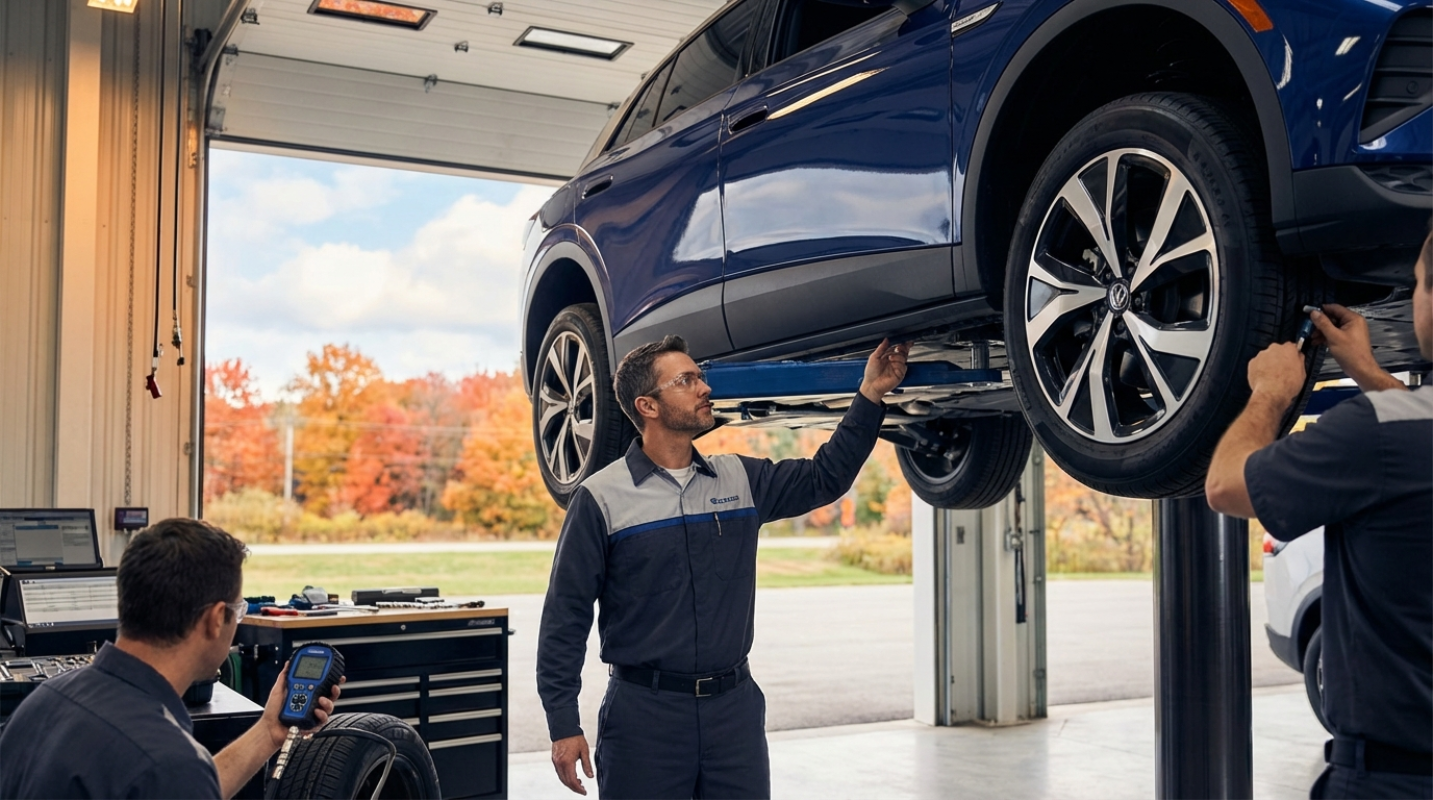
What is happening under your car while you're enjoying that silent ride? If you live in a "salt state," the answer is probably corrosion. After the winter roads clear, you need to get under there with a high pressure hose and a flashlight. You're looking for damage to the high voltage cabling and any debris that might be lodged near the battery casing.
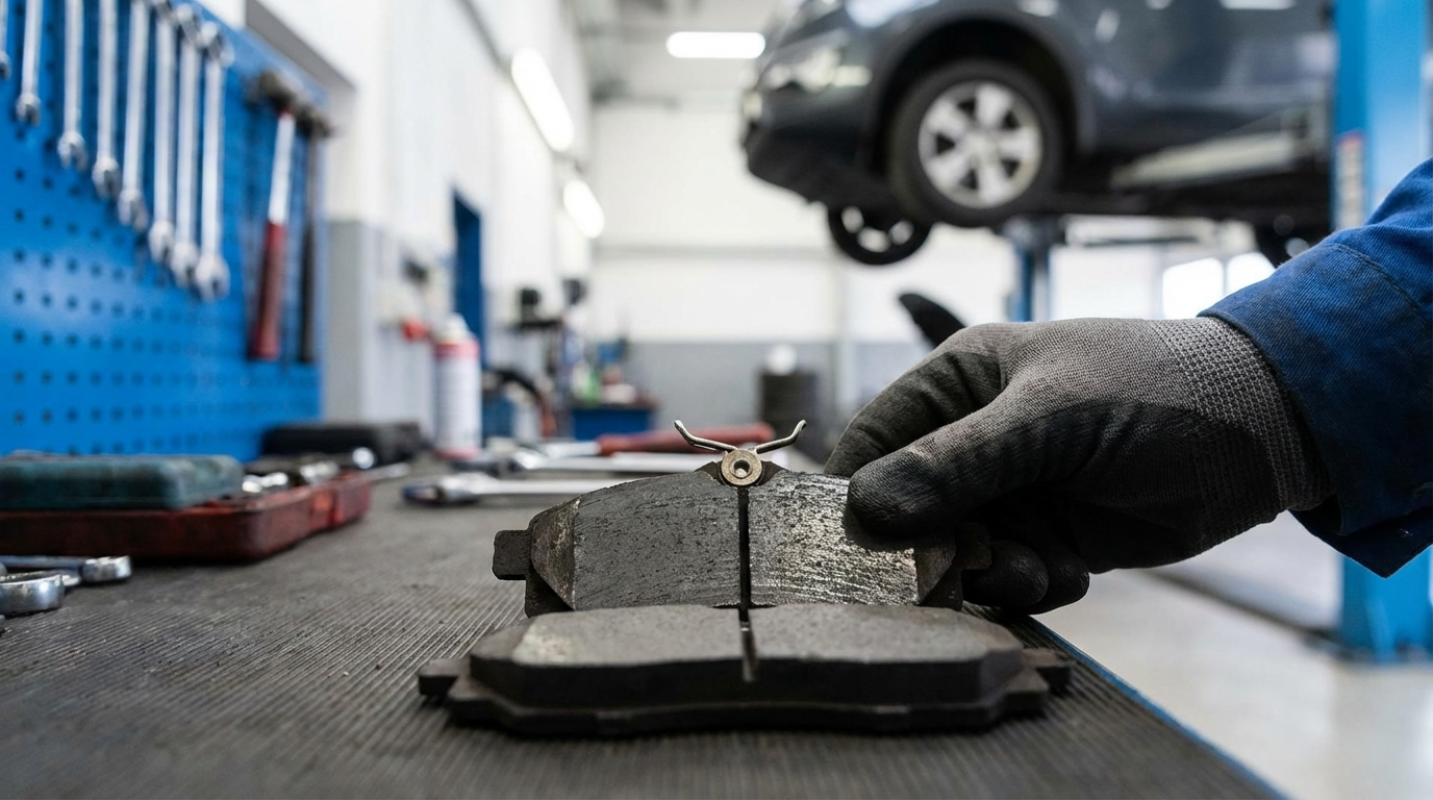
Then there is the "EV Brake Paradox." Because regenerative braking handles about 90 percent of your slowing down, your physical friction brakes (the pads and rotors) often sit idle. This sounds like a good thing, but it actually leads to rust and seizing. Experts now recommend performing a "brake exercise" once a week. This just means finding a safe spot to use your actual brake pedal firmly to burn off surface rust.
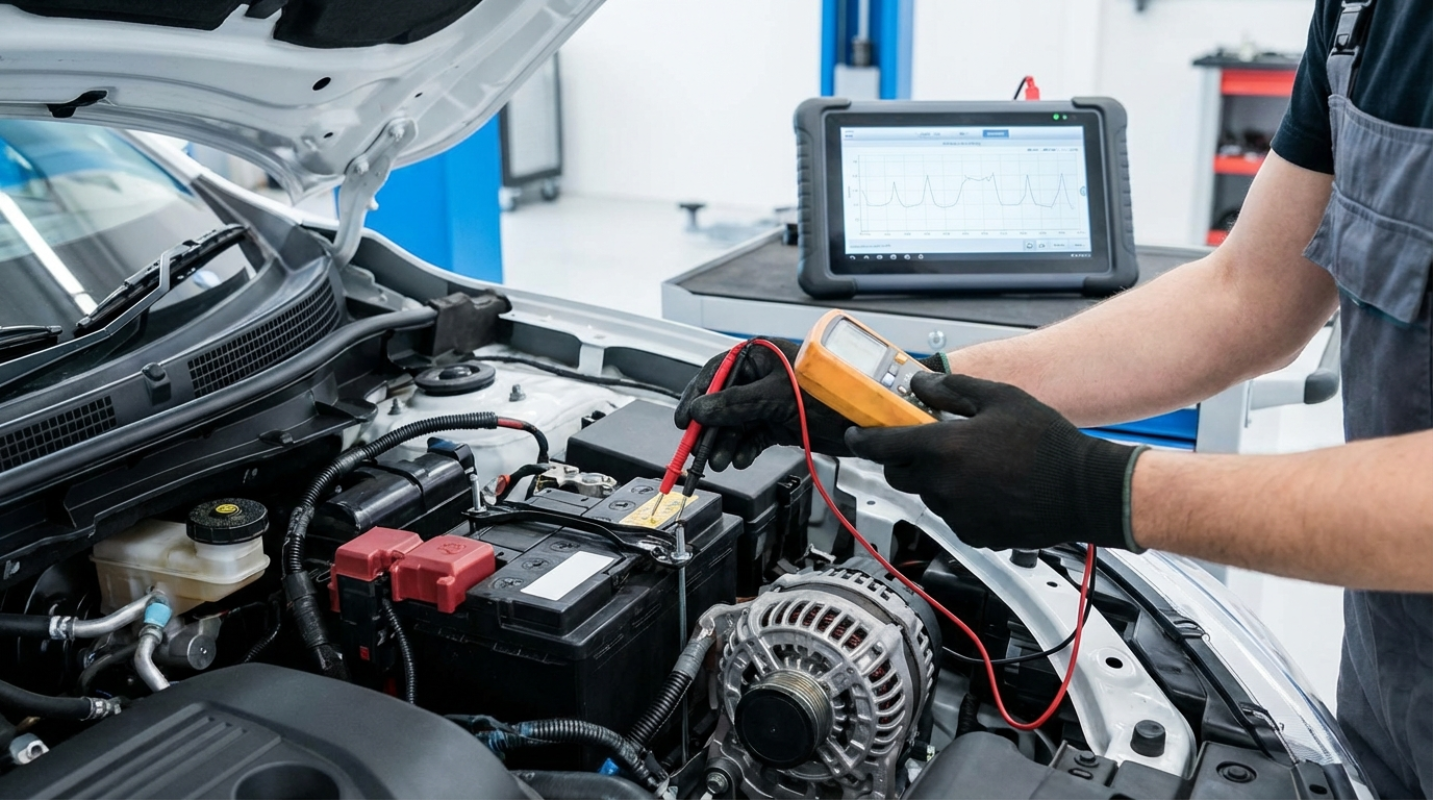
For 2026, the big service trend is post winter brake lubrication. You should have your technician clean the caliper pins and apply a high quality lubricant. Silicone based greases are usually best because they don't mess with the rubber seals.⁷ Although they're at it, check the 12V auxiliary battery. This is the small battery that runs your car's computers and safety systems. It's often overlooked, but if the 12V battery dies, your $60,000 EV won't even "start," even if the main high voltage battery is at 100 percent.
Top Recommendations for Seasonal EV Care
Maintaining an EV is cheaper than a gas car (usually about 35 to 50 percent lower in annual costs), but the tools and supplies you use should be top tier.⁸ Here are the items and services you should prioritize to keep your vehicle in showroom condition.
- Silicone-Based Lubricants: Use these for brake caliper pins to prevent seizing without damaging rubber components.
- Pre-conditioning Apps: Make sure your vehicle's manufacturer app is updated to the latest version to manage battery warming schedules.
- High-Quality Cabin Filters: Look for HEPA-rated filters to maintain HVAC efficiency and air quality during high-pollen or high-smog months.
- Tire Rotation Services: Schedule these every 6,000 to 7,500 miles to combat the high-torque wear patterns unique to EVs.
Keeping Your EV Prime for the Long Haul
Integrating these checks into your routine doesn't have to be a chore. Most of the "repairs" we see in 2026 are actually resolved through Over-the-Air (OTA) software updates, which is a luxury gas car owners rarely enjoy. Over 40 percent of service issues last year were fixed while the car was parked in a driveway.⁵ That doesn't mean you can ignore the mechanical side, though.
You'll need to decide when to DIY and when to head to the dealership. Checking tire pressure, cleaning sensors, and pre-conditioning are all on you. But anything involving the high voltage system or the Battery Thermal Management System coolant should be handled by a pro. These systems operate at high voltages that can be lethal if you don't know exactly what you're doing.
Ultimately, seasonal maintenance is about protecting your investment. An EV with a healthy, well-managed battery and a clean undercarriage will hold its value much better than one that's been neglected through three harsh winters. Stay ahead of the weather, keep your sensors clear, and exercise those brakes. Your car (and your future self) will thank you for it.
Sources:
1. Spring Electric Vehicle Maintenance Checklist
2. EV Maintenance Checklist for Fall
3. Electric Car Maintenance 2025 Tips
4. Immersion Cooled Battery Systems Market
5. How Much Does it Cost to Maintain an Electric Car in 2025
This article on aidriv.com is for informational and educational purposes only. Readers are encouraged to consult qualified professionals and verify details with official sources before making decisions. This content does not constitute professional advice.